Sikkim has beefed up preparations for Glacial Lake Outburst Floods (GLOFs) after 40 high-vulnerability glacial lakes were identified in the state. The increased alarm comes at a time when the Himalayan region is in greater danger of glacial flooding and as a consequence of the recent disaster in Nepal.
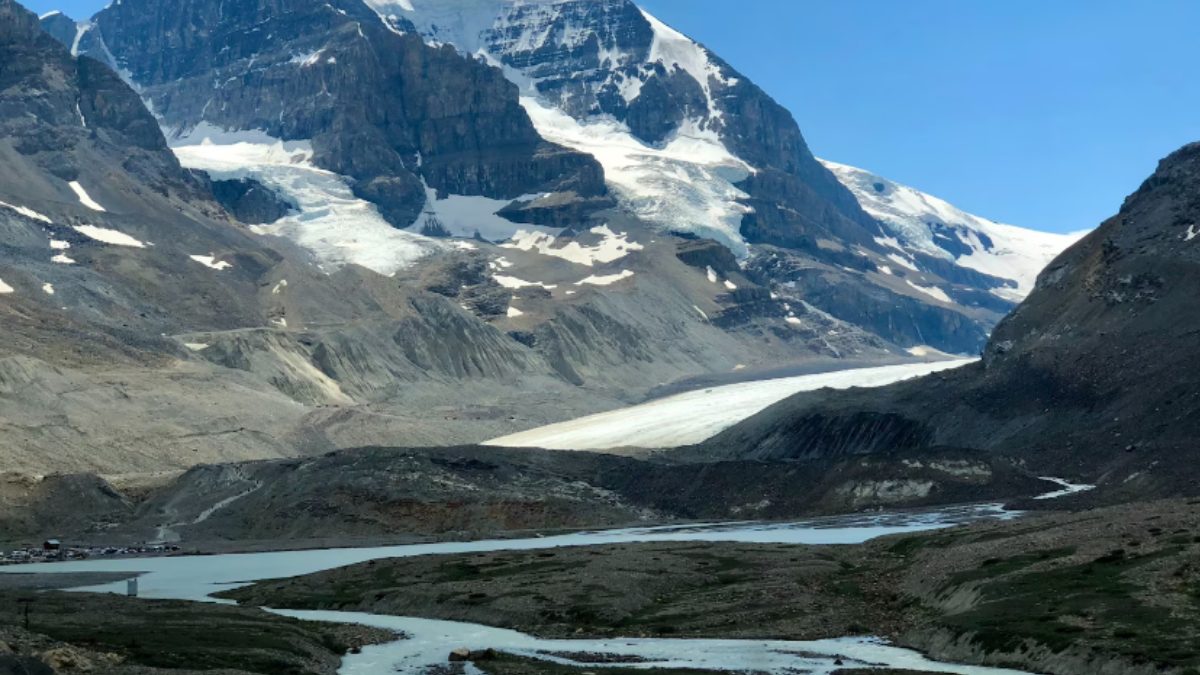
The state has 84 glaciers and hundreds of wetlands and lakes, so monitoring high-altitude water bodies is essential for disaster preparedness. Now officials are beginning to focus on monitoring, early warning systems and measures to prevent a sudden lake outburst.
40 High-Vulnerability Lakes Under Watch
According to the latest information, 40 glacial lakes in Sikkim have been identified as high-vulnerability sites by the National Disaster Management Authority (NDMA). Seven of them are also particularly high-risk, and there is a need for close monitoring and preventive action.
The identification of those sites does not mean all 40 lakes are about to burst or that a flood is imminent. The classification is only to indicate areas where a sudden release of water could potentially have serious consequences and where authorities need to keep an eye on them.
The geography of the state is particularly important. Sikkim lies in the eastern Himalayas, and glaciers, steep mountain slopes and high-altitude lakes are linked to river systems that flow into lower-lying areas.
What is a glacial lake outburst flood?
The Glacial Lake Outburst Flood (GLOF) occurs when water stored in a glacial lake suddenly releases.
Glacial lakes can form as glaciers retreat and meltwater is trapped behind natural barriers made of ice, rock, or sediment. If such a barrier fails, a large amount of water can move rapidly downstream.
The resulting flood can bring rocks, mud and other debris, and is particularly destructive. Communities, roads, bridges, hydropower projects and other infrastructure downstream can be at risk.
Scientists have said that warming temperatures are contributing to glacier retreat and changing conditions in the Himalayan region, and the stability of some glacial lakes is in jeopardy.
Sikkim has experienced a major GLOF before
Sikkim's concern is also based on its own experience.
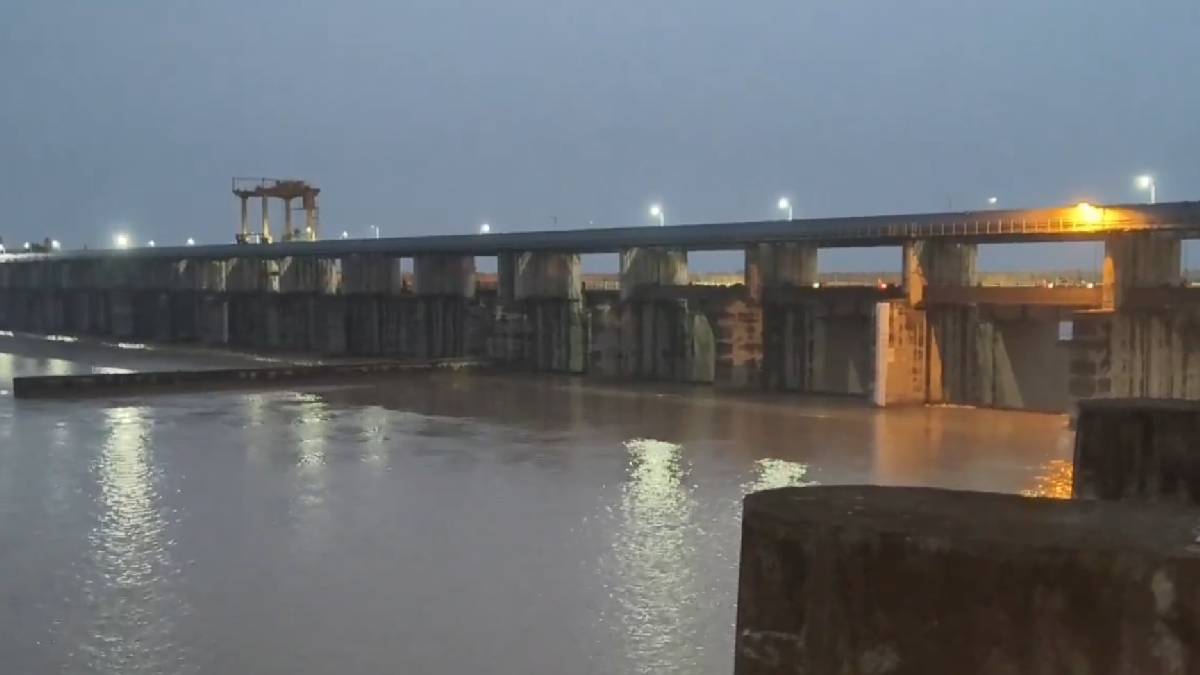
In October 2023, South Lhonak Lake burst, and in the Teesta river basin there was a devastating flood. The disaster caused extensive damage and affected some of the infrastructure in the area, including the dam at Teesta III.
South Lhonak is one of the glacial lakes that has received a lot of scientific attention for its rapid growth and potential GLOF hazard.
Since 2023, authorities and scientists have been working to better monitor the vulnerable lakes and develop new systems to get ahead of a potential outburst in lakes and, they say, to be able to predict them before it ever happens.
The lake is currently considered stable, the officials said. Its current size is about 2.70 km in length and 148 hectares in area, compared to 2.60 km and 155 hectares before the 2023 outburst.
Sikkim has hundreds of other water bodies
The 40 high-vulnerability lakes represent only part of Sikkim’s high-altitude water resources.
The state has 84 glaciers and 677 wetlands, with 613 small lakes, 52 medium-sized lakes and 12 large lakes, according to officials.
This huge number of water bodies makes monitoring difficult. So, authorities need to know which lakes are most likely to pose the greatest threat and pursue surveillance and mitigation strategies.
The recent focus is also part of a greater national effort. India has identified a much larger group of potentially vulnerable glacial lakes across the Himalayan region, and authorities are working on early warning systems for critical sites.
Nepal disaster raises new concerns.
The renewed attention to Sikkim comes shortly after a catastrophic glacial disaster in Nepal-Tibet.
A recent Himalayan flood devastated people after a glacier collapse triggered a sudden surge of water and debris. In the Himalayan region there is great concern about glacier instability, glacial lakes and rapidly changing mountain conditions, which are now a concern.
Experts and officials have said similar risks need to be assessed in other parts of the Himalayas, including India.
For Sikkim, the recent events have added urgency to the mission of monitoring and early warning systems.
Monitoring And Preparedness Intensified
Sikkim officials are now working to improve monitoring of vulnerable lakes and strengthen mechanisms for early warning of the population.
Not only the water levels; the glacier, surrounding slopes and natural barriers that could cause a sudden flood.
The state is also studying engineering measures to reduce GLOF risks. On a national level, early warning systems are being built on key Himalayan lakes.
With 40 high-vulnerability sites identified in Sikkim, including seven considered particularly risky, authorities are now confronted with the need to keep up with constant monitoring and prepare communities and infrastructure downstream.
So the immediate alert is about preparedness rather than an indication of an imminent flood. Our focus remains on early warning signs and minimizing the impact of any future glacial lake outburst.