Ranveer Brar, the celebrity chef and actor, spoke out regarding the all-vegetarian fare of the 18th BRICS Summit in New Delhi and why vegetarian food can be a practical choice when hosting an international meeting of delegates with different dietary traditions.

Brar told IANS by way of promotion of his upcoming streaming show Yes Chef in Mumbai that serving vegetarian food can help organisers avoid the sensitivities of meat choices in an international setting.
“Sometimes, you just want to stay away from the global controversy,” Brar said, referring to the fact that different countries have different food preferences and restrictions. Some countries eat beef and others eat pork, and vegetarian food is a buffer to avoid disputes over the menu, he said.
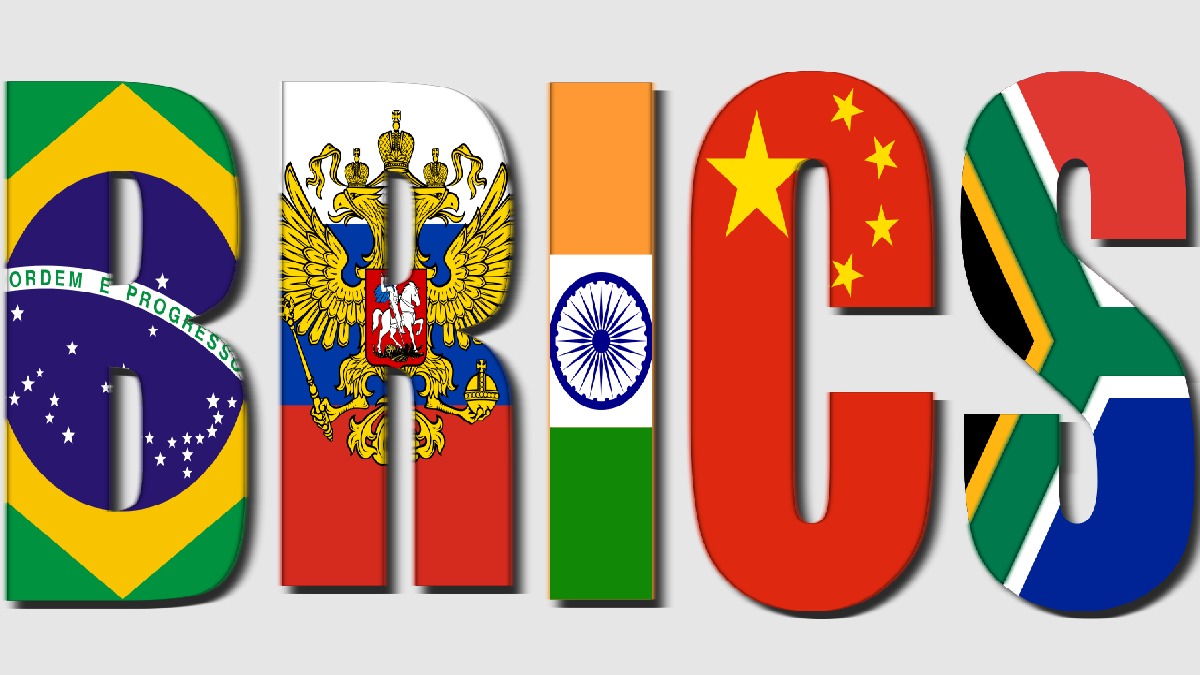
The BRICS Summit was held in New Delhi on September 12 and 13, 2026, and India hosted the meeting under its chairmanship. The gala dinner attracted attention because guests were served an entirely vegetarian spread with a variety of Indian dishes.
The menu included khandvi, mushroom-based preparations, paneer lababdar, millet pulao, regional vegetables and traditional Indian desserts. The vegetarian spread was designed to display regional Indian flavours and culinary diversity to foreign leaders and delegates, The Indian Express reported.

But the decision to keep the gala dinner entirely vegetarian also caused a debate as to whether the menu well represented India’s diverse food culture. Opposition leaders said that there were few non-vegetarian dishes and supporters of the menu cited India’s deep-seated vegetarian culinary heritage.
Mumbai, Maharashtra: On the complete vegetarian menu served to foreign delegates during BRICS, Chef Ranveer Brar says, "According to me, we are making that thing a mandate. Many times, all these choices... you want to stay away from, like, 'Okay, if these countries eat beef,… pic.twitter.com/VWmUjjf99f
— IANS (@ians_india) September 28, 2026
Brar’s comments provide a culinary perspective to the debate. Vegetarian food can be a common option for international guests without questions about religious, cultural or dietary restrictions surrounding particular types of meat, he said.
He also expressed that presenting vegetarian cuisine at an international event can help showcase an important part of India’s food heritage. The BRICS menu included different regional recipes without restricting all vegetarian cooking to one type.
The dinner was also in the midst of more political debate about India’s culinary diversity. Congress leaders were critical of the absence of non-vegetarian dishes and government officials defended the menu and cited the range of Indian vegetarian dishes being served to international guests.
Brar's explanation considers the reality of diplomatic dining in which organisers have to account for the dietary preferences and restrictions of guests from several countries.
His comments have brought the discussion back to the role food plays at international summits, where menus have a role both in hospitality and cultural representation.
The BRICS dinner debate has since become another example of how food choices at major diplomatic events can attract public attention beyond the conference room, particularly when they intersect with questions about India’s cultural and culinary identity.