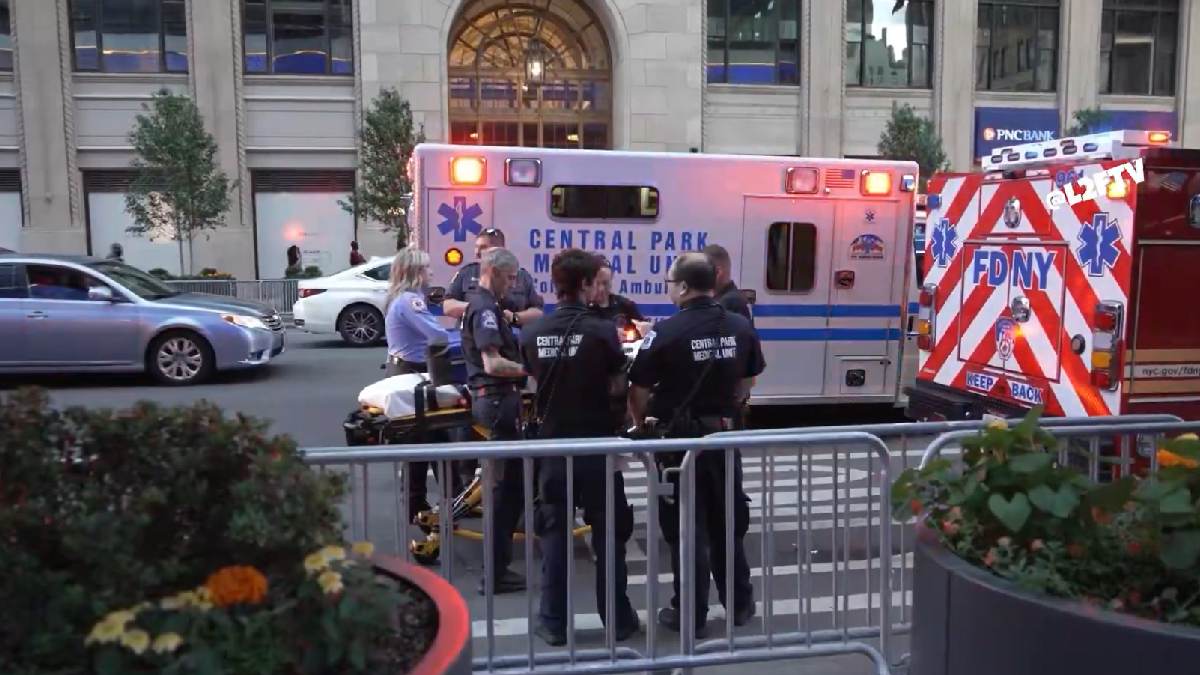
A tragic accident in New York City’s iconic Central Park has revived debate over the future of the city’s horse-drawn carriage business. The debate, which has been years in the making between animal rights activists, city officials and carriage companies, has gained fresh urgency following the death of an 18-year-old Indian tourist in the city’s heartland.
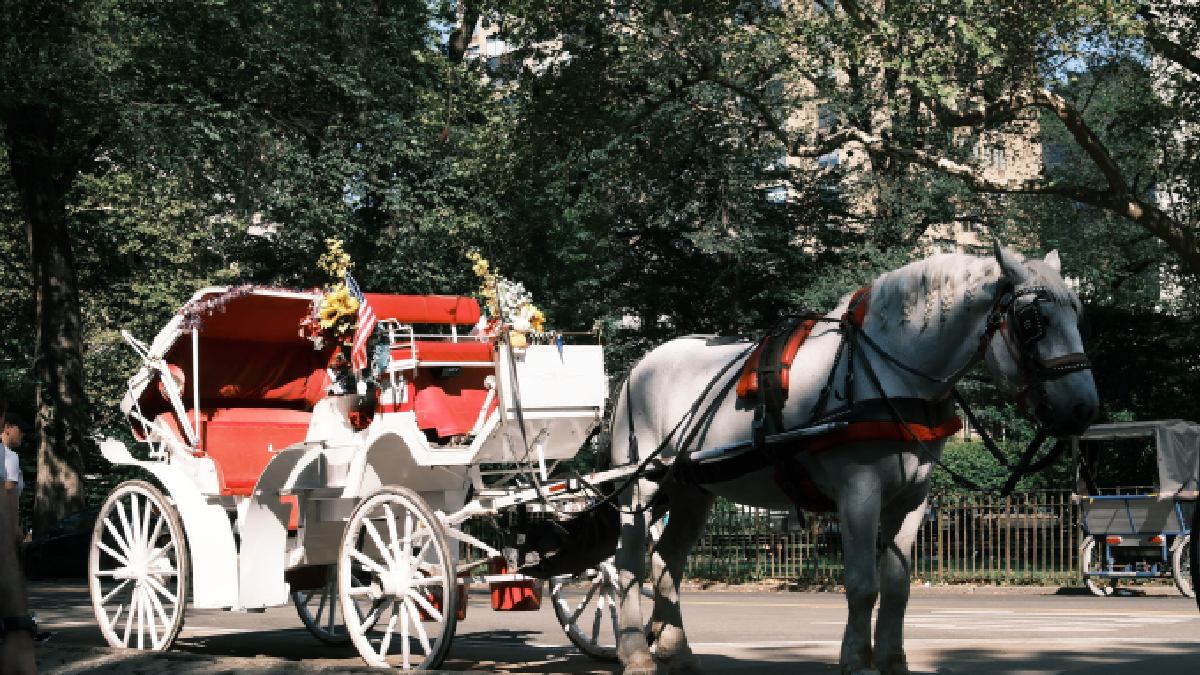
Romanch Mahajan was visiting New York with his family when a horse pulling their carriage suddenly bolted, causing an accident. Witness accounts say that the carriage driver had just stepped away to take a picture of the family when the horse suddenly bolted from him.
According to news reports, Romanch lost his life trying to protect his mother in the runaway carriage incident. The tragedy has shocked people in India and New York; it has raised the safety aspects of one of the city’s most iconic tourist attractions.
It is believed to be the first known human fatality linked to a horse-drawn carriage accident in Central Park since the rides were introduced more than 150 years ago. But it comes at a time when the industry is already under increasing criticism for several accidents involving carriage horses.
The latest tragedy has pushed forward a plan called Ryder's Law, named for Ryder, the carriage horse that collapsed on a hot summer day in 2022. And the bill would see horse-drawn carriage service in New York City ended gradually, and be replaced by other transportation options.
Manhattan Councilman Christopher Marte, one of the strongest proponents of the legislation, said the latest accident is a case of instant action needed to be taken. The accident showed the dangers of horse-drawn carriage rides cannot be ignored, he said.
🚨City Council, what more do you need? Central Park goers are crying and hugging after seeing this traumatizing death for all involved.
— PETA (@peta) June 10, 2026
Pass Ryder's Law NOW and ban horse carriages before another horse dies! We'll be outside City Hall tomorrow demanding an end to this! pic.twitter.com/2SwkX0uNix
Animal rights organizations have also returned to their calls for a complete ban. Groups like PETA claim horses and passengers are exposed to unnecessary dangers. Recent cases of collapsed horses, runaway carriages and traffic-related accidents are examples of how antiquated and unsafe it is.
The accident occurred just days after a carriage horse named Deniz collapsed and died in Central Park. A coachman was injured in another carriage crash earlier this year when a frightened horse collided with another carriage.
After Romanch Mahajan’s death, horse-drawn carriage services have been temporarily suspended. The labour union representing carriage drivers offered condolences to the family but rejected calls for a complete ban. Instead, they have proposed other safety measures such as better training of drivers and the installation of secure hitching posts in the park.
So too has New York Mayor Zohran Mamdani, who has said he is still in favor of ending the horse-carriage industry and that the city should move towards a transition that would protect workers and eventually end the practice.
So as New York prepares for further discussions on Ryder’s Law, the tragedy has become a turning point in a debate that strikes a perfect balance between tradition, tourism, public safety and animal welfare. But for many people, it’s not just about preserving a historic attraction but about whether it can continue to operate safely in a modern city.