The Indian rupee slipped 6 paise to 96.31 against the dollar in early morning trading, hurt by the global threat of a weakening domestic economy and persistent demand for the dollar.
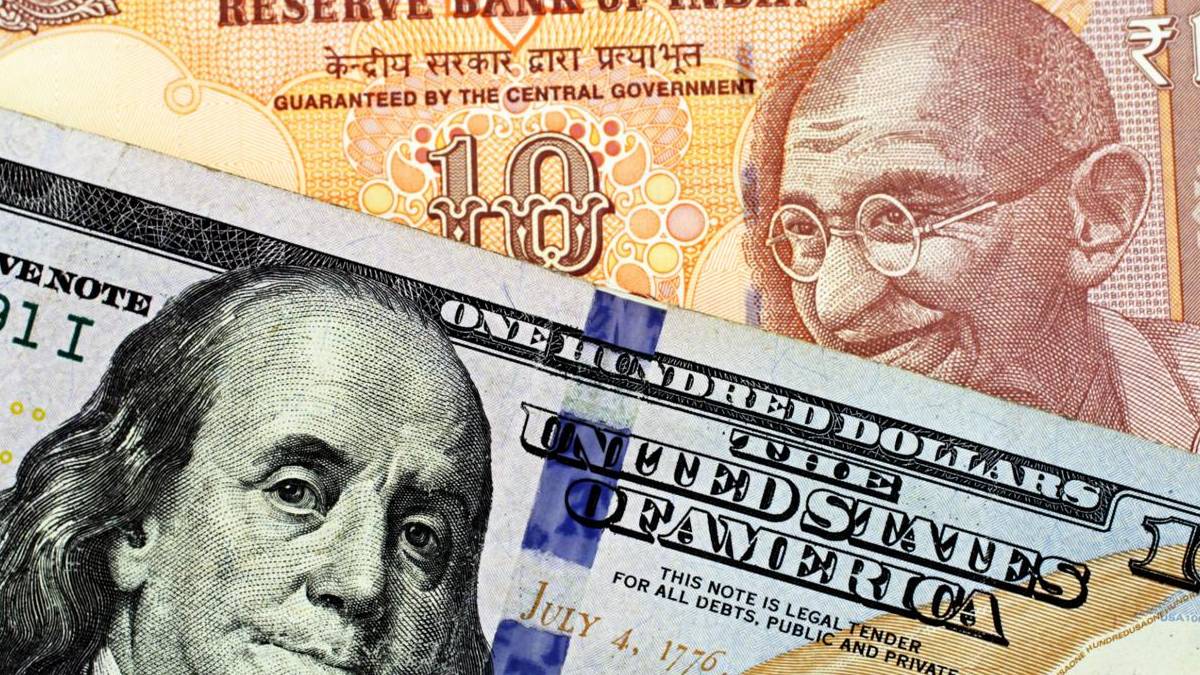
A lot of the market is not too optimistic about global market news, crude oil prices and the US Federal Reserve's monetary policy.
The rupee opened weaker than previous days as the dollar was up against a basket of major global currencies on Monday.
Rising Treasury yields and expectations that interest rates in the United States could stay high have supported the dollar and put pressure on emerging market currencies including those of countries such as the Indian rupee.
Crude oil prices are still a significant factor affecting the rupee movement. Because India imports a lot of its crude oil, higher global oil prices increase India’s import bill and so it needs more dollars. And that pressures us in the domestic economy and in turn impacts the domestic currency.
Moreover, the market is also watching foreign institutional investor (FII) activity closely. Investor outflows from Indian stock markets continue to boost demand for the dollar as investors convert their shares to US dollars, which is more expensive for the rupee. But good domestic economic conditions and strong foreign exchange reserves continue to support the local economy.
For years, RBI has been closely monitoring currency volatility. Analysts believe the central bank would intervene if currency fluctuations were too high. It can generally allow market forces to influence exchange rates but it has played a role in the past as a buffer to sharp swings in the exchange rate.
Early on in the morning, domestic share markets were mixed in early morning trading today as investors weighed global concerns against positive corporate earnings expectations. If the global economy or commodity prices were to shift significantly, currency analysts say, the rupee could stay in a range for some time.
The dollar’s strength is an issue for many emerging economies. Higher US interest rates bring global capital into dollar-denominated assets and make it difficult for currencies like the rupee to appreciate sharply.
Despite the day’s decline, economists remain optimistic about the medium-term outlook for the Indian economy. Investors’ optimism will be based in part on the strong GDP growth projections and more exports in some sectors and government investment in infrastructure.
Importers are likely to continue to buy dollars, while exporters may prefer to wait for the exchange rate to be favorable before they convert their profits into dollars. That kind of market situation could keep the rupee under pressure in the next few days.
Now, investors will look forward to economic data from India and the United States, as well as global crude oil trends and central bank commentary, which will help to determine the future of the rupee in the foreign exchange market.