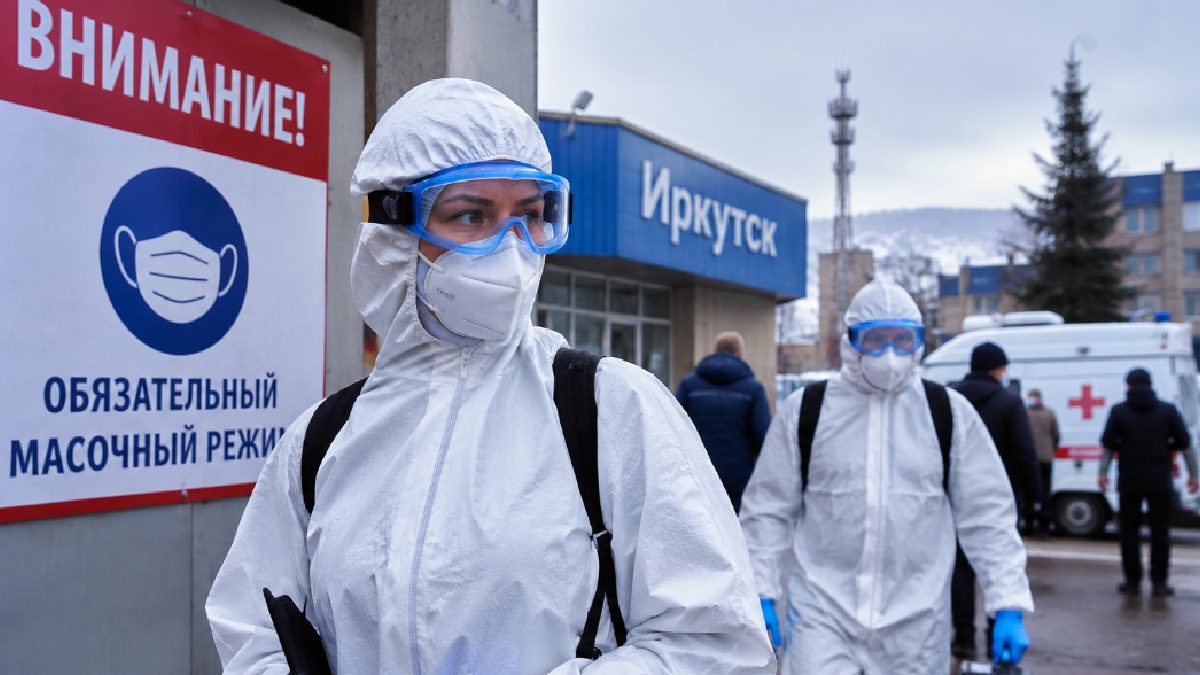
Russia has ruled out reports of a recent plague case in the Siberian region of Irkutsk, easing fears of a possible outbreak after the death of a laboratory worker at an anti-plague research institute. But the World Health Organisation (WHO) is pressing Russian authorities for more information on the case, including the possible cause of the worker’s illness and reports of another employee suffering from pneumonia of unknown origin.
The concern started after 28-year-old Darya Shipilova, who worked at the Irkutsk Anti-Plague Research Institute of Siberia and the Far East, became seriously ill and died on October 2. Initial reports indicated she might have had pneumonic plague, in part because of her job environment and the nature of the illness. But Russian health authorities have said her illness was pneumonia of unknown origin and not plague.
The WHO said Russia informed the organisation that no recent cases of plague had been reported in Irkutsk Oblast. Russian authorities also said an epidemiological investigation had been conducted, preventive measures had been taken, and people who had been in contact with the deceased worker were put under medical observation and tested. No high-threat pathogens were detected among those tested, the WHO reported.
But the response was international in nature because there was still uncertainty over exactly what caused Shipilova's death. Some 200 people were put under quarantine or observation in the immediate aftermath, and the fact that Shipilova worked at an institute specialising in plague research has led to speculation that she might have been exposed to a laboratory. Russian officials have denied that and advised people not to believe in rumours.
The WHO Director-General Tedros Adhanom Ghebreyesus said they had sought more information from Russia under the International Health Regulations. The WHO wants details on the laboratory tests conducted on the deceased worker and her contacts, the reason behind the preventive public health measures and the health status of those under observation. The agency has also asked Russia to verify media reports about a second employee who allegedly developed pneumonia of undetermined cause.

Russia has also dismissed reports of a second alleged plague case as false. Kremlin spokesman Dmitry Peskov said people should look to information from Russia’s health authorities rather than news in the media. Testing did not reveal infections in employees at the institute, the Russian health regulator said.
The WHO is, therefore, less likely to declare the problem was resolved and is being more careful than giving a firm diagnosis. The organisation has said it doesn’t have the full picture and cannot give a complete risk assessment until more information is available. At the same time, there is no evidence of a plague outbreak in Russia. The European Centre for Disease Prevention and Control has also said that, based on the limited information available, there are no secondary diseases or evidence of sustained human-to-human transmission.
Plague itself is caused by the bacterium Yersinia pestis. It is usually associated with small mammals and their fleas. Bubonic plague is the most common form. Pneumonic plague is a more serious form and can spread through respiratory particles. But early antibiotics can be effective, and early diagnosis and medical treatment are crucial.
But for now, health authorities are advising caution rather than panic. The death of the Siberian laboratory worker is still being investigated, but the evidence is not compelling that she died of plague. The WHO is in touch with Russian health officials and has offered technical assistance on plague as well as laboratory biosafety and biosecurity.
The episode underlines the importance of timely and transparent information during suspected infectious disease incidents. As there are still contradictory reports going around, international health officials say reliable laboratory results are needed to know what caused the illness and whether there is a risk to public health.