World Health Organisation (WHO) has asked Russian authorities for more information on the development of pneumonic plague in Siberia in light of growing concern about a possible case of pneumonic plague. It comes after the death of a laboratory worker at a plague research institute, and media reports that a second person also might have developed the disease have galvanised international interest and calls for greater transparency.
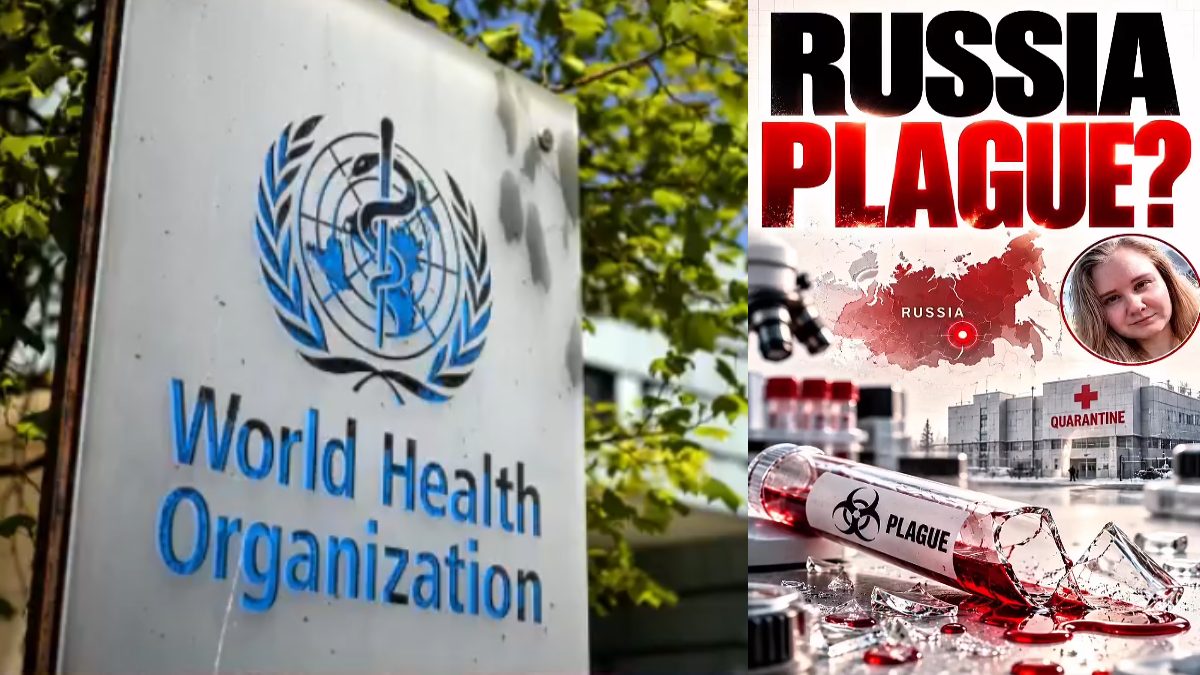
The case centres on a 28-year-old laboratory technician identified in Russian media reports as Darya Shipilova. She worked at the Irkutsk Anti-Plague Research Institute in Siberia and developed pneumonia and died soon after her hospitalisation. Initial reports and comments made by authorities in the area suggested her illness might be linked to pneumonic plague - a rare but potentially lethal form of plague that involves the lungs and can spread through respiratory droplets.
However, Russian health authorities have since said that there are no confirmed plague cases in Irkutsk and that investigations have not identified dangerous infectious pathogens among people who came into contact with the deceased worker. All contacts identified through international health channels were traced and monitored, and no further infections were found, the WHO reported. Russian officials have noted the woman's illness was pneumonia of unknown origin rather than a confirmed plague infection.
Despite these assurances, WHO officials say important questions remain unanswered. The UN health agency has asked for clarification as to what exactly was wrong with the laboratory worker’s illness, and reports have suggested a second worker may have pneumonia of an undetermined cause. WHO spokesperson Christian Lindmeier said it is talking with Russian authorities and has sent out a report to the Russian government, is working on further details and is waiting for more information before making conclusions.
The uncertainty has caused speculation around the world, because the deceased was working at a facility that studies dangerous pathogens like the bacterium Yersinia pestis, which causes plague. Hospitals across the region have started to quarantine patients, and a total of nearly 200 are now under surveillance. Local officials have talked about plague issues at first but later changed or deleted the statements and confusion exists on the topic.
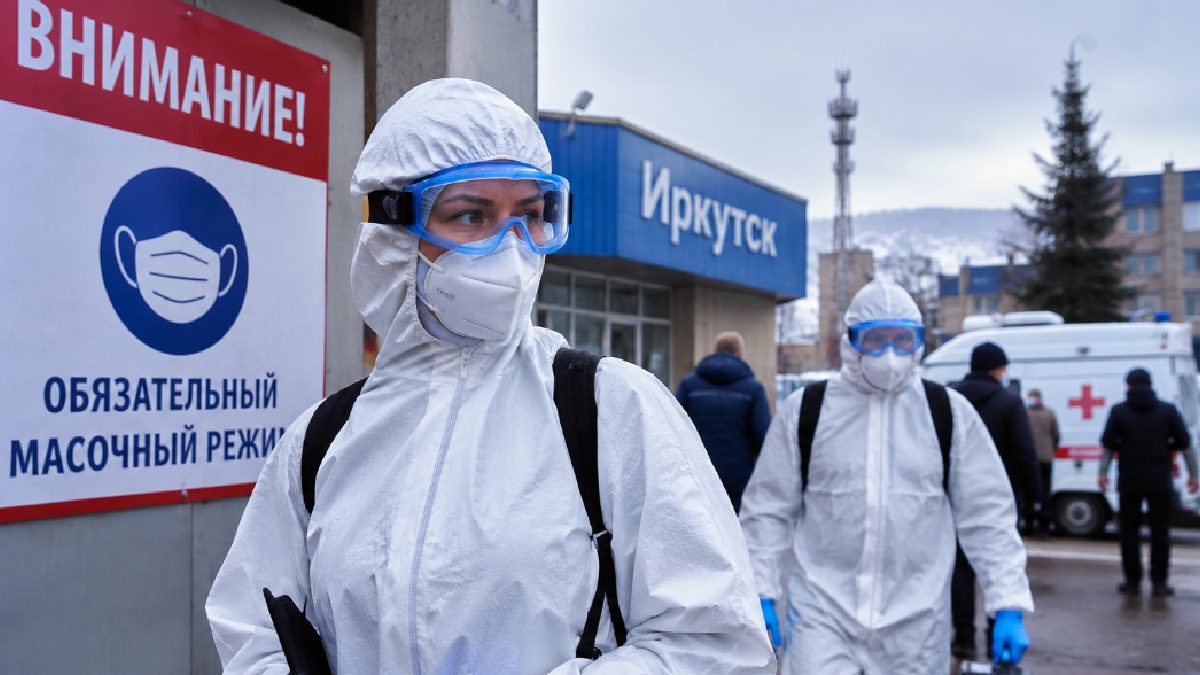
Health experts have advised caution not to jump to conclusions. There is no evidence of pneumonic plague being responsible for the death, nor is there proof of continued person-to-person transmission. Infectious disease experts say that pneumonic plague is serious and potentially fatal, but antibiotics can be highly effective if they’re taken quickly. The outbreak is not the start of a bigger epidemic, and there’s no sign of a pandemic.
The WHO has assessed the public health risk as low for Russia, and very low for the whole European region. It has said that ongoing monitoring and transparency are required to understand the case in depth. International health authorities are monitoring the situation closely and waiting for more information from Moscow.
The focus remains on determining the real reason for the laboratory worker’s death and clarifying reports of any additional cases. Health officials will have to wait for evidence to be more definitive and report on any potential public health threat thoroughly, they say.