Russian missiles and drones struck Kyiv and several other Ukrainian areas across the night in a major overnight assault, killing civilians and wounding dozens of people, officials in Ukraine said yesterday.
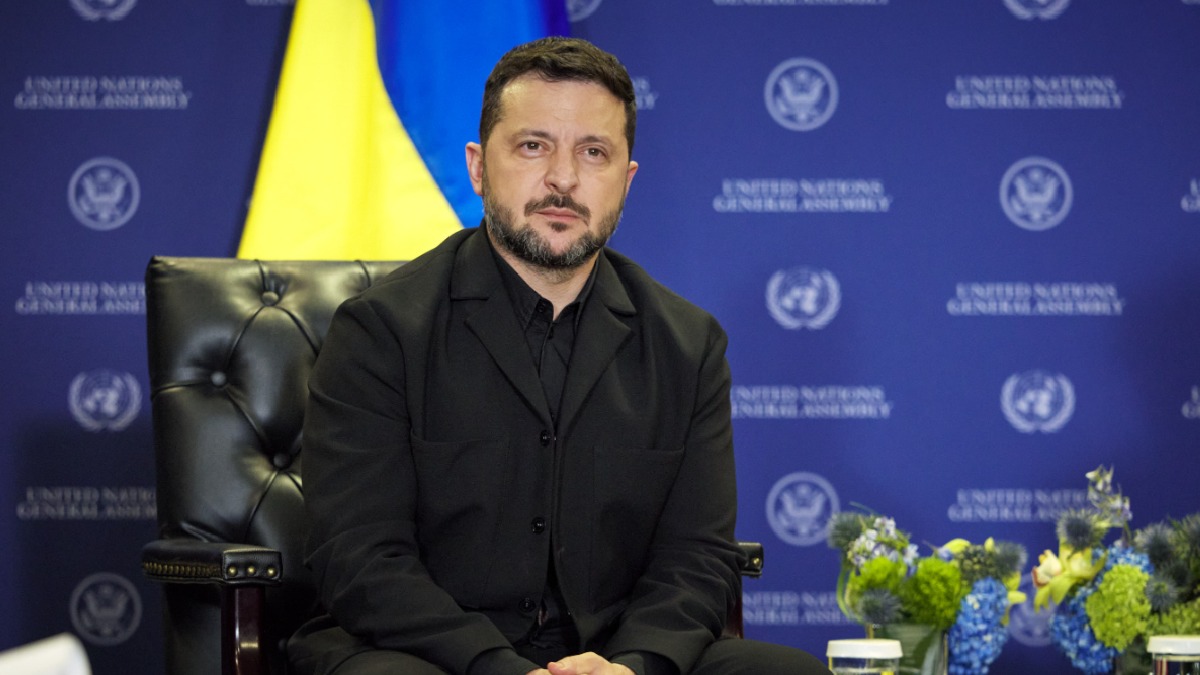
The attack was preceded by President Volodymyr Zelenskyy who said Ukrainian intelligence had detected preparations for what he called a “massive” Russian strike.
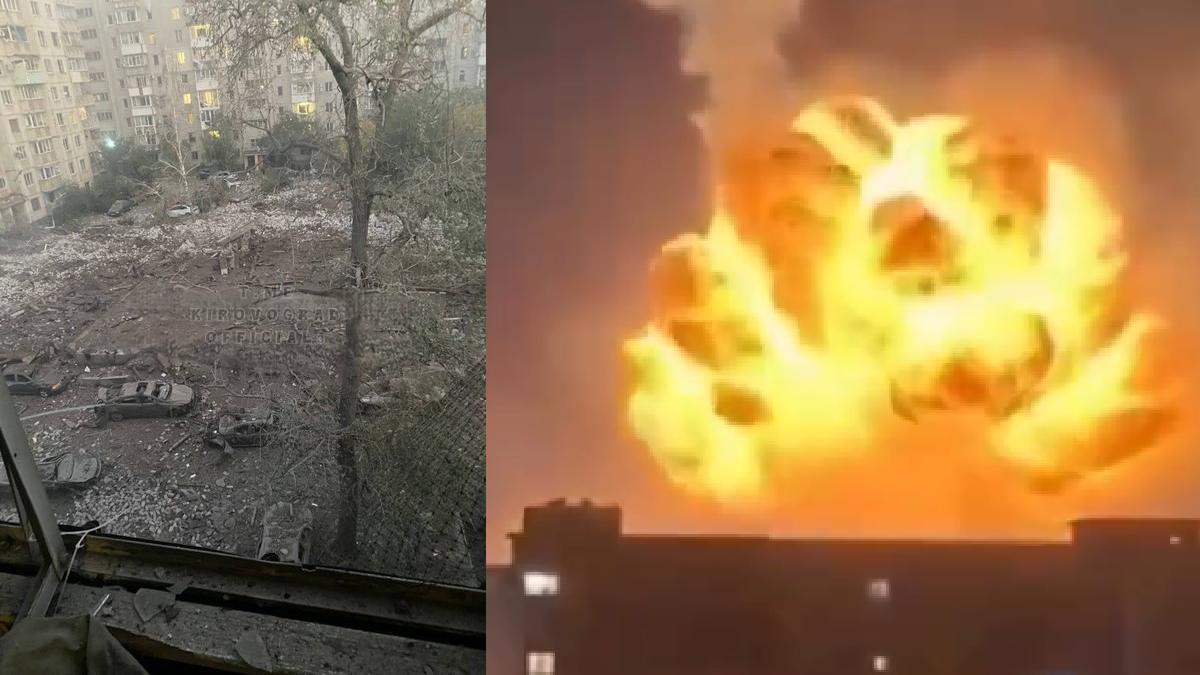
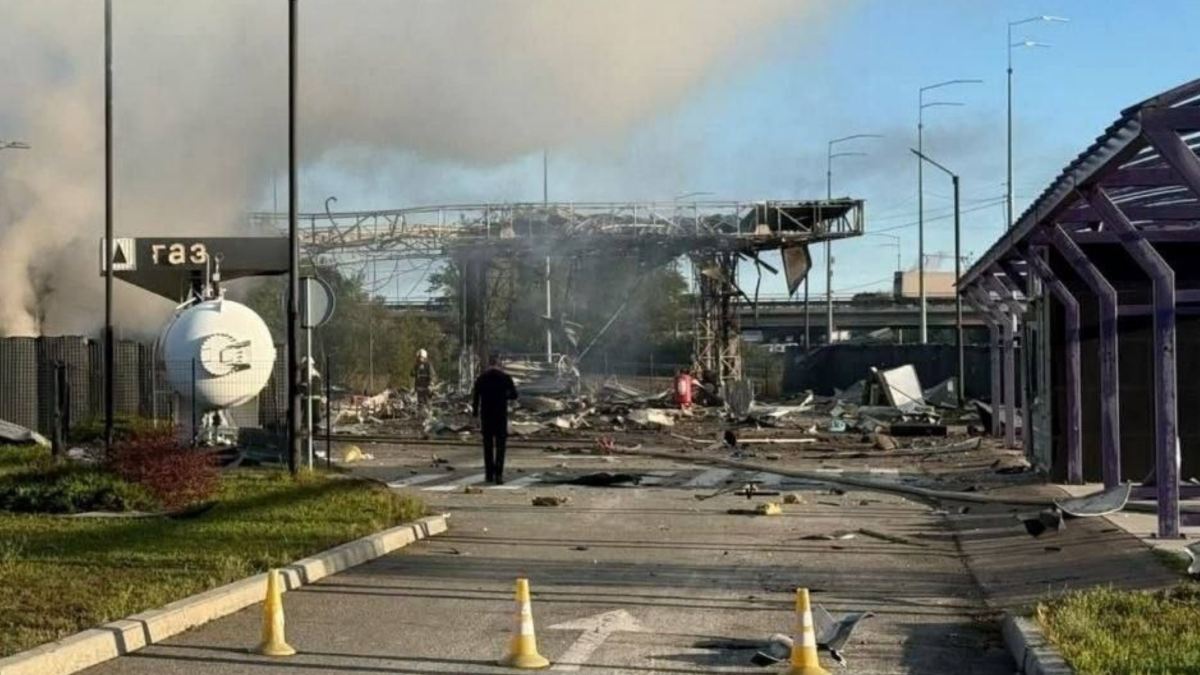
Ukrainian authorities initially reported at least 12 civilian deaths (three children included) and later numbers put the final death toll at at least 15. More than 40 people were injured. The attacks have destroyed residential buildings and other infrastructure in various parts of the country, underscoring the continuing danger posed by Russia’s long-range missile and drone campaign.
The strikes happened despite Kyiv having anticipated a major attack. Zelenskyy had publicly warned the previous day that Russian forces were building up for a large-scale barrage.
But knowing that the attack was coming did not prevent Ukraine from being able to prevent all the damage, especially because the challenge of intercepting ballistic missiles and newer types of drones was so high.
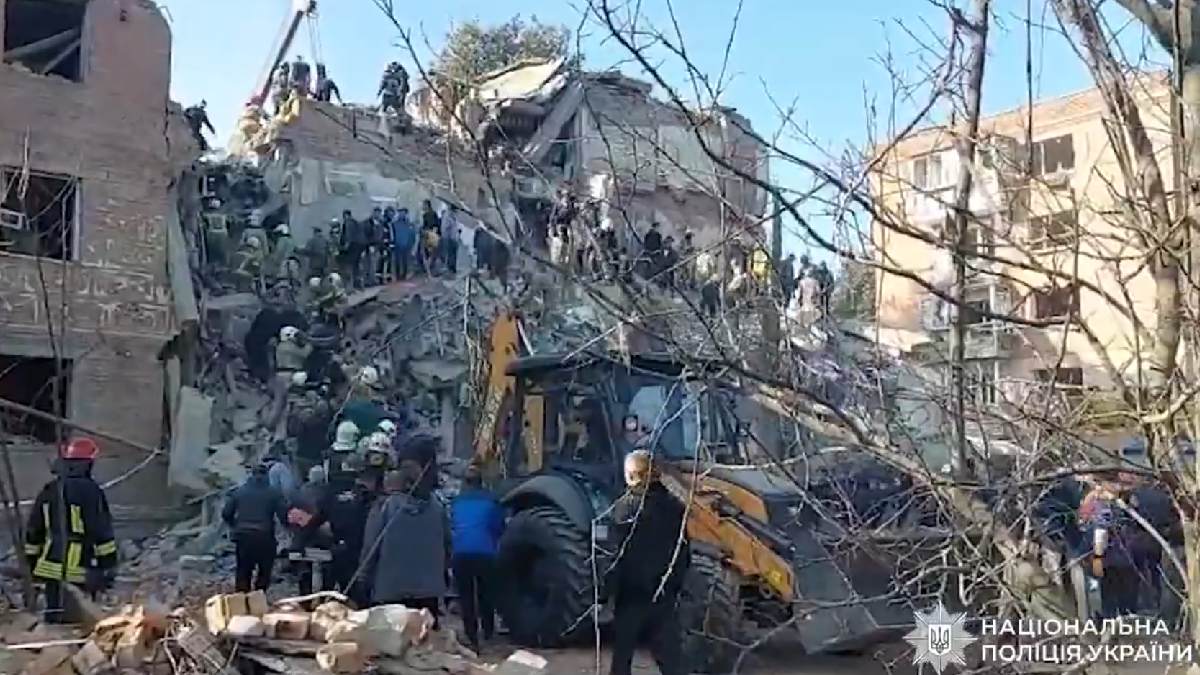
Apartment Block Destroyed In Pryluky.
One of the deadliest incidents occurred in Pryluky, a city in Ukraine’s northern Chernihiv region. A Russian strike destroyed an apartment building, killing nine people, including three children, according to Ukrainian Interior Minister Ihor Vyhivskyi. Thirty-four people were wounded in the attack.
Other Ukrainian cities also reported deaths, including Kyiv. In Kremenchuk in the Poltava region, two people were killed and seven were injured, regional officials said. Rescue crews continued to comb through damaged areas and assist residents in search of survivors.
Zelenskyy said the strikes seemed designed to cause significant and highly visible damage. Ukrainian officials have repeatedly warned that Russia's aerial campaign is not only intended to destroy infrastructure but also to sow fear among civilians.
The latest barrage also underlined Ukraine’s continued need for air-defence ammunition. Zelenskyy said Russian ballistic missiles are still one of the most difficult threats for Ukrainian forces to counter and called for additional air-defence systems and interceptor missiles.
Ukraine faces challenges in intercepting ballistic missiles.
Ukraine has relied heavily on Western-supplied air-defence systems, including U.S.-made Patriot systems, to protect major cities and critical infrastructure from Russian missile attacks. But shortages of ammunition have complicated efforts to defend against repeated large-scale barrages.
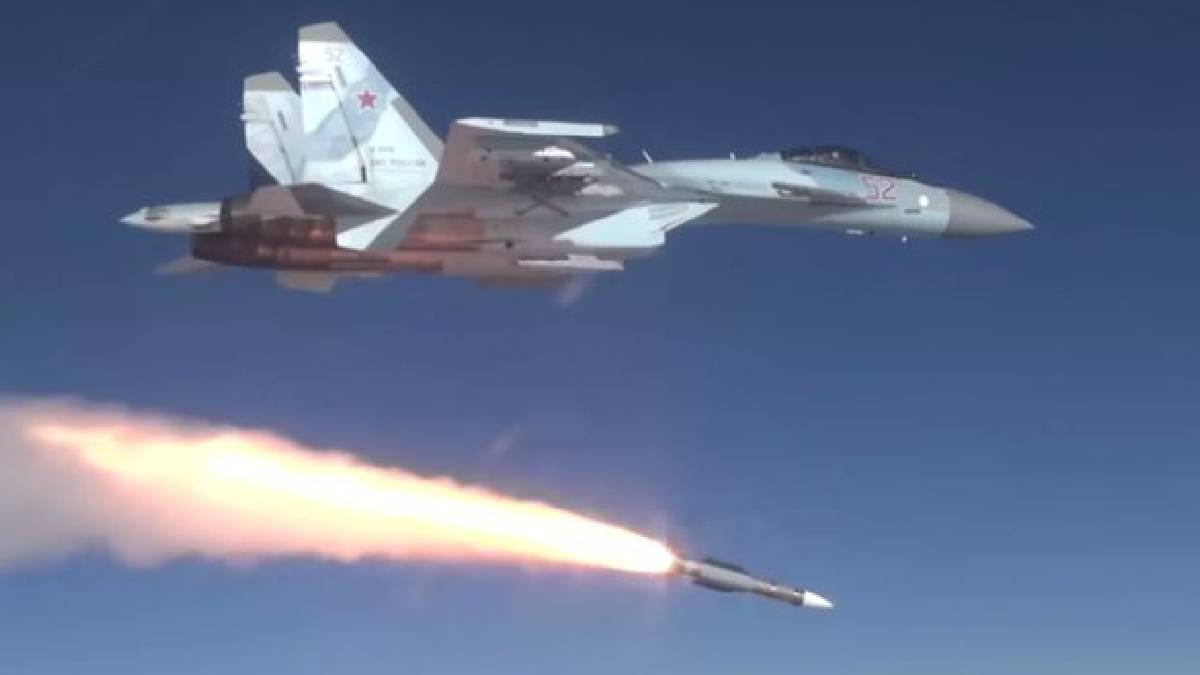
Ukrainian officials are also developing new interceptor technology that can cope with Russian weapons. The advent of jet-powered drones has also added another challenge as Ukraine looks for technology to track and intercept faster-moving weapons.
The aerial war has become a core part of the Russia-Ukraine war. While ground forces remain locked in battle across a largely contested front, long-range missiles and drones have become increasingly used to strike military, energy and industrial targets far from the battlefield for both countries.
Russia says it targeted military facilities.
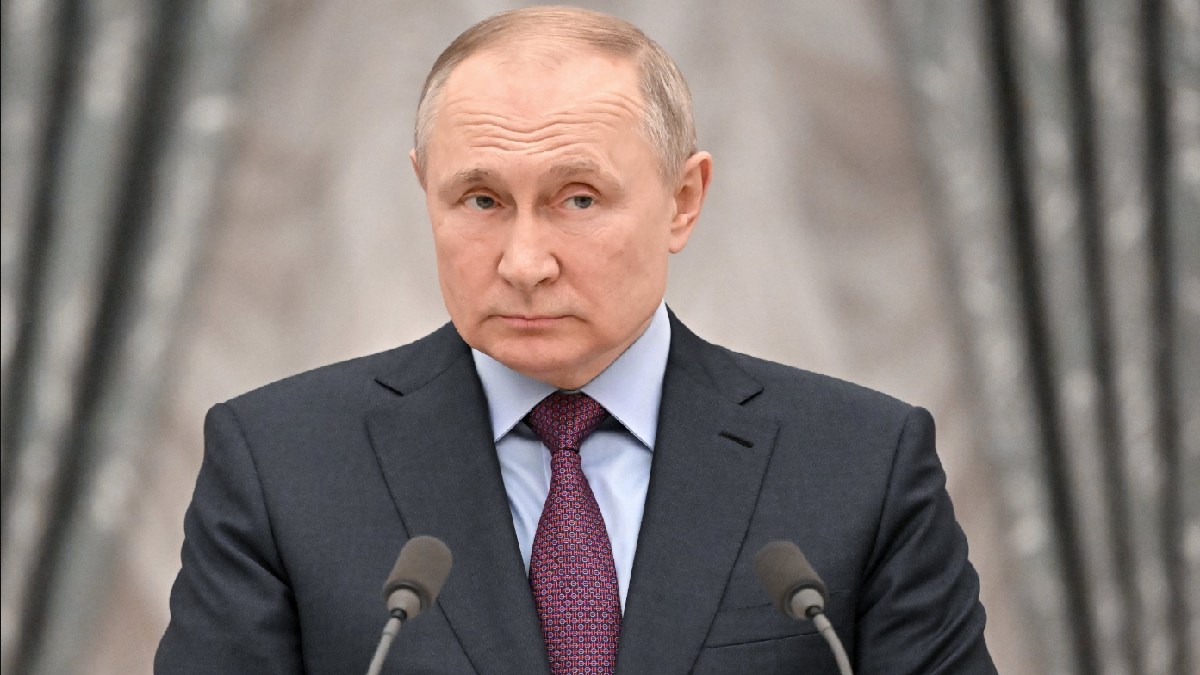
Russia’s Defence Ministry said its forces conducted a large-scale overnight strike against Ukrainian facilities connected with the production and storage of missiles and drones. Moscow also identified port and ship-repair facilities in the southern Odesa region and ships carrying cargo for Ukraine’s military among targets.
The Russian military has repeatedly described such attacks as strikes on military or strategic infrastructure. Ukrainian authorities, however, have frequently reported civilian casualties and damage to residential areas after Russian aerial attacks.
The contradictory descriptions of individual strikes underline the difficulties of establishing the circumstances around attacks during the war.
Ukraine Launches Strikes Inside Russia.
Ukraine has also continued its campaign of long-range attacks on Russian territory. Zelenskyy said Ukrainian troops had targeted oil facilities and a military training area in Russia's Perm, Samara and Astrakhan regions.
The Russian government did not immediately reply to the claims. Ukraine has increasingly used drones and other long-range weapons to target Russian energy infrastructure such as refineries and fuel storage facilities as part of its effort to disrupt Moscow’s military logistics and economic capacity.
Zelenskyy also posted images which he said showed an oil tanker burning in the Black Sea near Sochi. The images could not be independently verified. Russian online media also posted the footage, while unconfirmed reports claimed the vessel was transporting oil from Novorossiysk towards India and had been attacked by Ukrainian sea drones.
War continues although diplomatic efforts are ongoing.
The recent exchange of long-range attacks comes as diplomatic efforts to end the Russia-Ukraine war remain uncertain. Talks about possible technical-level talks have been separate from the broader military conflict, but both sides continue to attack.
The continued aerial campaign shows exactly the magnitude of Ukraine’s struggle to protect civilians and critical infrastructure and continue to carry out its military operations. For the citizens of Ukraine, the latest attack is another reminder that missiles and drones are still an existential threat even when there are large attacks expected.
As Russia continues to launch long-range strikes and Ukraine responds with attacks against targets inside Russia, the aerial dimension of the conflict remains a major factor in the war. The latest casualties have once again put Ukraine’s air-defence capabilities, the availability of interceptor missiles and the ongoing humanitarian cost of the conflict in focus.