The seven islands in Greece’s picturesque Aegean Sea have declared drought emergencies for the first time in two years as the country suffers from one of its most serious water shortages in decades. The declaration comes as summer heats up, rainfall falls, and climate change threatens to put a strain on the region’s water resources in the Mediterranean Sea.
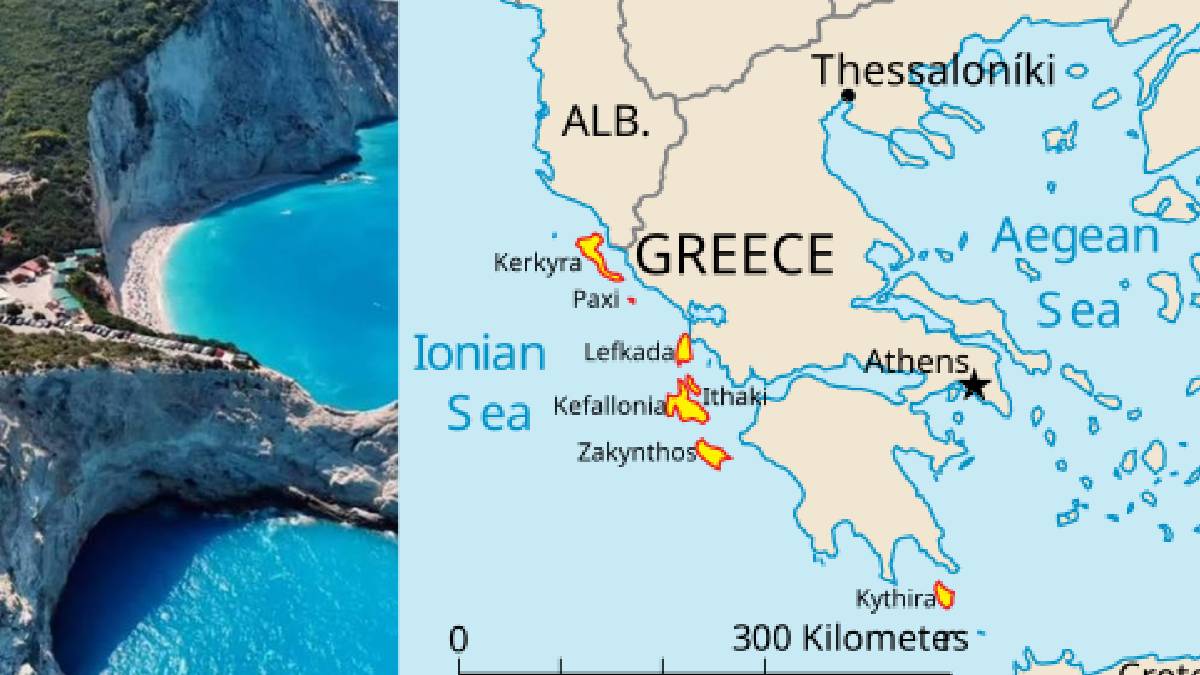
Drought is a manifestation of climate change, and it is changing weather patterns across Southern Europe. Summers are hotter and longer, and rainfall is becoming ever more unpredictable. Instead of steady seasonal rain that replenishes reservoirs and underground aquifers, many regions are now experiencing prolonged dry spells interrupted by brief, but intense storms that lead to flooding and not water supply restoration.
Seven Greek islands in the Aegean Sea have declared drought emergencies this year to preserve water as climate change makes summers hotter and rainfall more erratic https://t.co/cJ7hf7z4Np pic.twitter.com/Vl2iUiQ7Vn
— Reuters (@Reuters) July 16, 2026
As tourism and agriculture are crucial to Greece’s economy, the water crisis is very serious. The seven affected islands are popular tourist destinations, such as those that are visited by millions of visitors every year. And in the summer season, the population on many islands multiplies several times over from one island to another, with a great increase in demand for drinking water, sanitation, hotels, restaurants, swimming pools, and recreational facilities.

Drought emergency measures have already been put in place by local authorities to conserve the remaining water resources. This is through curbs on non-essential water usage, enhanced monitoring of usage, emergency water transportation to those who need it, and public campaigns to encourage both residents and tourists to use water responsibly. Reservoir levels and groundwater supplies are closely monitored, and essential services are being kept running as long as possible.
Agriculture is one of the sectors that has been affected the most by the prolonged drought. Farmers growing olives, grapes, vegetables, citrus fruits, and other crops depend on the water supply in the growing season. Low rainfall and diminishing groundwater levels have made farming communities suffer reduced crop yields, increased crop prices, and higher irrigation costs much more costly for farmers. In coastal areas, too much water extraction may also lead to intrusion of seawater into the water supply, making it unsuitable for agriculture and drinking.
Scientists have repeatedly identified the Mediterranean as one of the world’s most climate-vulnerable regions. According to climate research, temperatures in the Mediterranean basin are rising faster than the global average, intensifying heatwaves, droughts and wildfires. Not only are these changes threatening ecosystems, but they are also influencing food production, public health, biodiversity, and economic stability.
The tourism industry is also adapting to the changing climate. Hotels and resorts are investing in water-saving technologies, low-flow fixtures, recycled wastewater systems, and public awareness campaigns encouraging guests to conserve water. Sustainable tourism practices are more important for destinations to balance economic growth with environmental protection.
To enhance long-term water security, Greece is investing in modern infrastructure such as desalination plants, water distribution systems, rainwater harvesting, and reservoir management. Several islands are looking for renewable energy-powered desalination facilities that can provide reliable freshwater without the need for fossil fuels. They are also working to reduce leaks in aging pipelines, which account for a significant portion of water loss in some areas.
Environmental experts insist that a common responsibility of water conservation needs to be taken up as well. Governments can develop infrastructure and policy, but much of the progress is dependent on responsible consumption by households, businesses, tourists, and industries. Sustainable irrigation, smart water management, and climate-resilient planning will become important in the future to avoid shortages.
Drought emergencies declared on the seven Greek islands in particular serve as a very stark reminder of how climate change affects all those who live on the islands. Water scarcity is no longer a problem of the past; it is very much a reality for people and communities and the world’s economy and life as a whole. As global temperatures rise, sustainable water management and climate change adaptation, as well as environmental resilience, will need to be addressed worldwide.
The freshwater resources Greece needs to protect are not only to support local communities but also to protect the natural beauty and cultural heritage, which is the reason people visit the country every year. Nowhere more than in this crisis, we are in need of collective climate action to protect the water resources for future generations.