A terrifying incident occurred in Luoyang, Henan Province, China when a young boy accidentally fell through thin ice on a frozen lake in a residential area. What might have been a tale of tragedy became a tale of courage, compassion and the human spirit. Mr Ban risked his safety: When a boy is hurt in an epidemic we must not forget that in times of crisis common folk can act courageously.
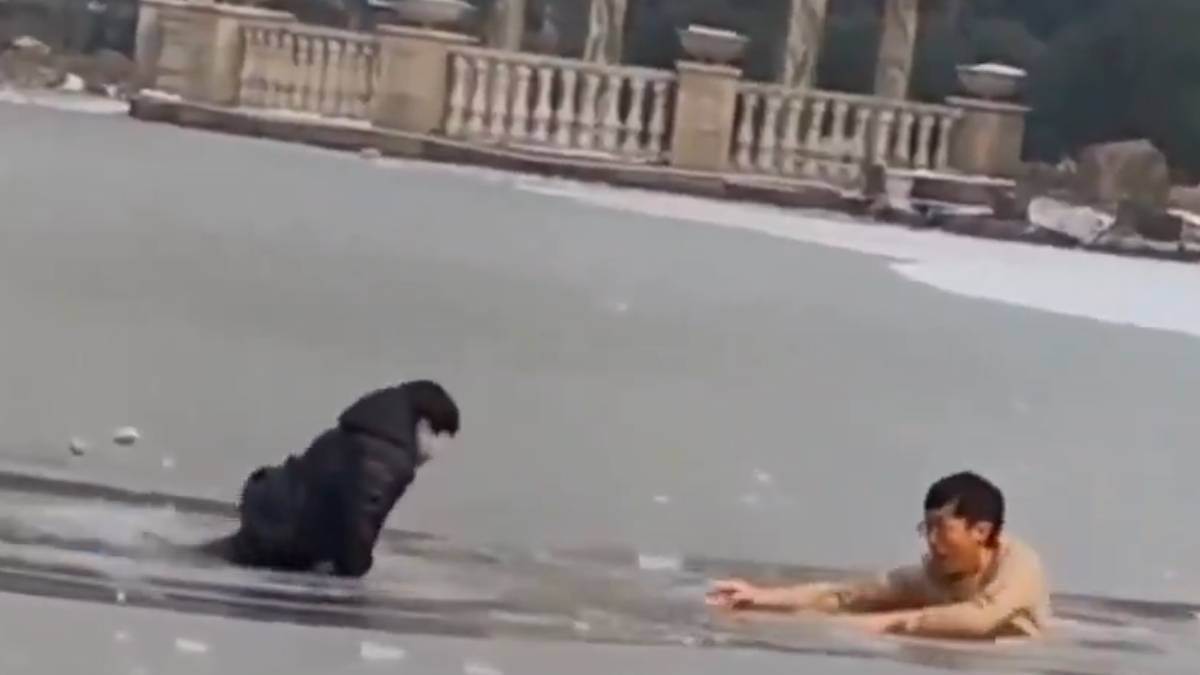
The frozen lake seemed to be serene, but the ice was not strong enough to bear weight. A boy, ignorant of the threat, stepped onto it and fell through. Life might be over the ice that thawed, as the boy tried unsuccessfully to remain afloat. The nearby residents saw the accident, and panic spread swiftly. In those situations, each second counts. Hypothermia can occur within minutes, and drowning poses a genuine danger. The boy’s cries for help aroused immediate attention, and a man acted without hesitation.
A young boy fell through thin ice on a frozen lake in a residential area of Luoyang, Henan Province, China.
— Volcaholic 🌋 (@volcaholic1) January 30, 2026
A man identified as Mr Ban crawled across the ice to reach him, but the surface gave way and he also plunged into the freezing water. After lifting the boy onto the ice,… pic.twitter.com/xSdE0dorFQ
Mr Ban, a local resident, crawled across fragile ice to save the boy. Crawling was the only way to distribute his weight and reduce the possibility of breaking through. But the ice gave way, even with caution, and he too fell into the freezing water. Mr Ban, in spite of the shock of the cold, raised the boy back onto the ice. Through his swift reasoning and will, the child was able to survive. No, the rescue had not been done yet. Mr Ban himself found himself trapped in the water, couldn’t climb out any more as his body went numb from the freezing temperature.

A second nearby man came to his aid. Mr Ban was pulled out of the water, completing the rescue. The two men checked on the safety of the boy and that he would not be repeated with Mr Ban at the unsafe lake. This collaboration underscores the value of community. In crises, people tend to rely on each other and the bravery of one person can motivate others to act.
Mr Ban later told of the ordeal. The cold was “bone piercing,” he said, and his legs went numb quickly. He said he was afraid when he realized he couldn’t exit the water by himself. And yet, in the face of the terror he concentrated on saving the boy. What’s remarkable most is his humility. Mr Ban stressed that he was not a hero, but was just there. His words speak to the modesty of many who act boldly in perilous circumstances. They don't consider themselves to be exceptional but their actions show otherwise.
The significance of the incident goes beyond a mere rescue story. It demonstrates the danger of thin ice and the need for winter safety. Frozen lakes might appear solid, but they can be deceptive. Children are particularly at risk from such dangers that should be guided to prevent these dangers from happening. It also reminds us of the human potential for compassion. Mr Ban did not hesitate to think of his own safety. He acted because somebody required help. In a world often divided by differences, acts of kindness of such show the great strength of humanity.
Frozen lakes are hazardous, and communities must educate each other about the dangers. On the ground, seconds can save lives — and the time to act can mean the difference between survival and disaster. When people work together it is way better when there is a crisis and real courage often comes with respect and care, as Mr Ban says.
The Luoyang rescue serves as a sobering reminder that even everyday people can do extraordinary things. When Mr Ban decided to intervene, he was also brave enough to put himself in harm’s way, the life of a boy was saved. Even though he insists that he is no hero, the courage and compassion he shows speaks volumes. This tale is less about danger and rescue than it is about humanity, responsibility, and the kind of quiet strength that can be found in the quiet of people doing it. In the face of crisis, those “who just happen to be there” often make a major difference.