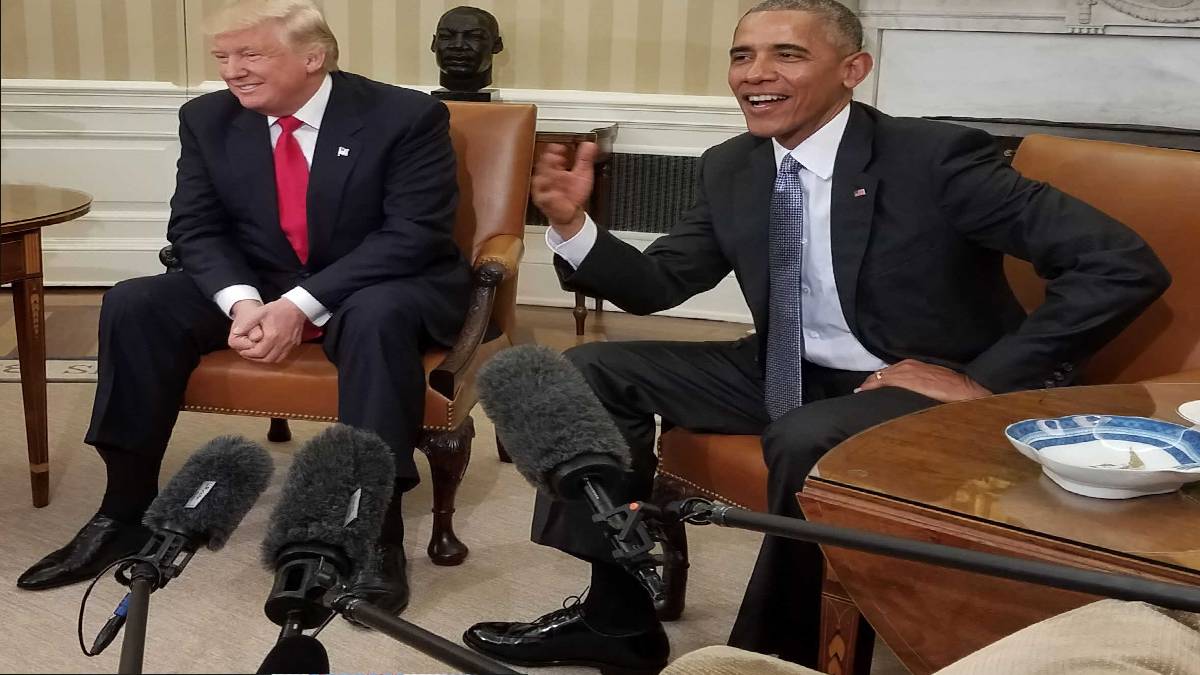
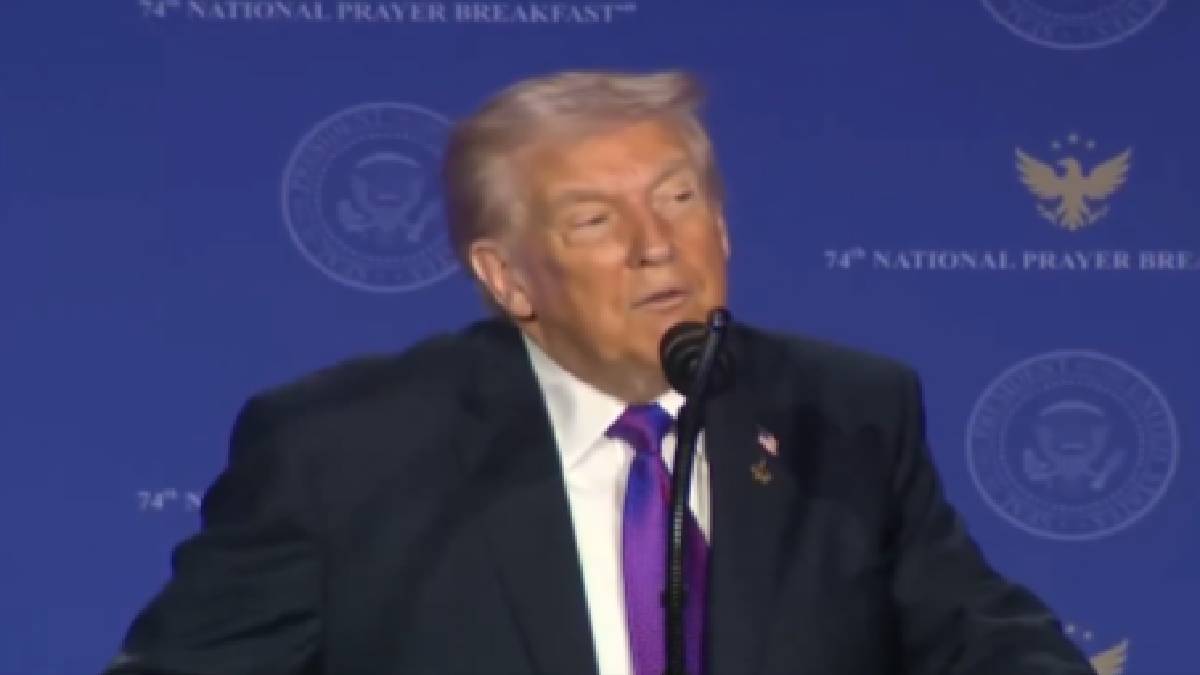
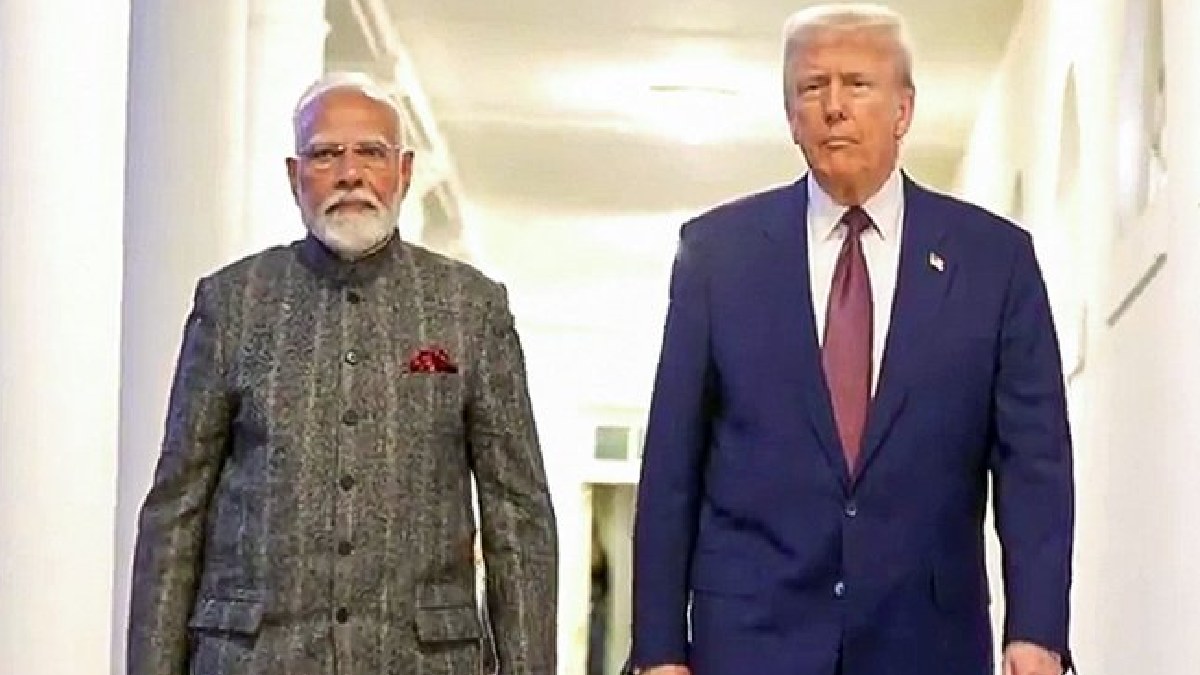
President Donald Trump is declaring that the largest tax refund time in U.S. history is set to start next month. Calling it “the largest tax cut ever,” Trump says American families might save between $11,000 and $20,000 more every year. The announcement generated buzz among households and companies alike, along with some of the same questions asked by economists and critics about its long-term impact.
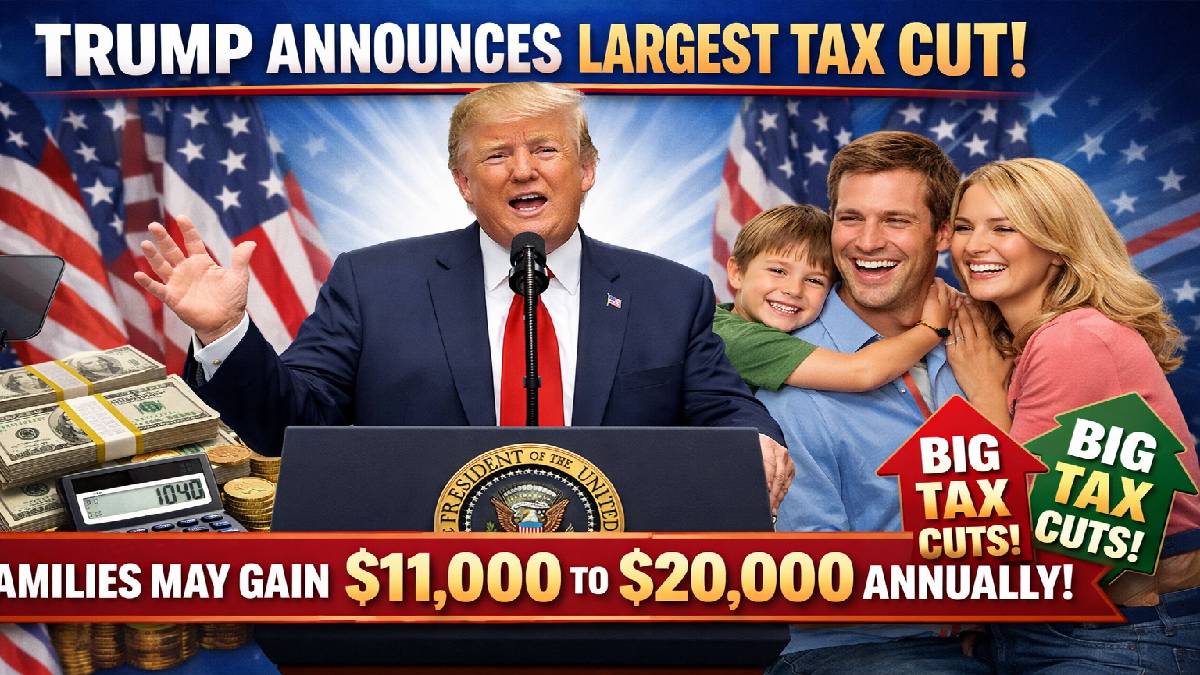
How the Announcement Impacts Us All
Typically, families benefit somewhat from tax refunds, but this year should be different. Trump’s new tax structure intends to ease the financial hardship on working families, so they can keep some of what they make. The policy is, as his statement notes, one cog in a larger economic engine, concentrating on tax cuts, job growth, and consumer spending. That might mean more money for millions of Americans to pay off debts, invest in education, pay for health care or to generally enjoy a little more financial breathing room. As Trump has maintained, all of this relief will materialize very quickly, and tax season could be a time of opportunity but not stress.
Supporters’ Perspective
Proponents of it say that this action would boost the economy in various ways, says Kwan. Higher disposable income should allow families to spend more on goods and services. That additional spending might bolster small businesses, create jobs and spur investment in local communities. They also believe the cuts will support families to plan for the future. A wider influx of financial resources allows households to save for retirement, invest in their children’s education, develop emergency funds and keep themselves strong financially. For others, this is an opportunity to reach a higher financial position.
Critics’ Concerns
Not everybody believes the policy will lead to permanent outcomes. Critics are expressing fears about the long‑term financial costs of such large refunds. One big challenge is that the deficit is projected to become bigger as the government is able to collect less money while delivering essential programs. Even economists are doubtful that the benefits will be divided evenly between the higher income band. Some concern that wealthier families could get more out of the tax cuts while lower‑income households might benefit less. The sustainability of such a generous refund regime is another question, as it is difficult for the government to afford this level of relief all year long.
The Bigger Picture
And this announcement fits into Trump’s larger economic platform, one that advocates for growth via tax relief. The idea is that by reducing the financial burden on families, the economy will grow stronger as spending levels rise and businesses grow. But the magnitude of the policy, the “largest tax cut ever” earns it one of the most closely monitored economic measures in recent history. Economists and policymakers, as well as ordinary citizens, are all awaiting how it will play out in practice.
Impact on Families
For a nation, the promise of higher refunds is welcome news. It’s a time of stress in our tax systems but the tax season could well be a time of relief and opportunity. Families may spend the extra to:
- Pay off debts and loans
- Invest in medical care or education
- Save for retirement or in an emergency
- Boost small business by spending more
The consequences of these choices would ripple throughout the economy, from local shops to national industries.
With the refund season looming, anticipation is mounting. The expectation that Trump would deliver the biggest tax refund season in U.S. history is high. In the months to come, we will find out precisely how this affects households and the nation's finances. If this policy turns out eventually to be the story of the U.S. economy or merely another chapter in tax cuts, one thing, for sure, is that nationwide every family is preparing to meet a tax season with the unprecedented frequency one sees in modern times.