Iranian President Masoud Pezeshkian has said Tehran’s latest proposal to reopen the strategically important Strait of Hormuz was coordinated with Supreme Leader Mojtaba Khamenei. Iran and the United States are in a tense regional war and the vital maritime passage continues to be a major point of contention.
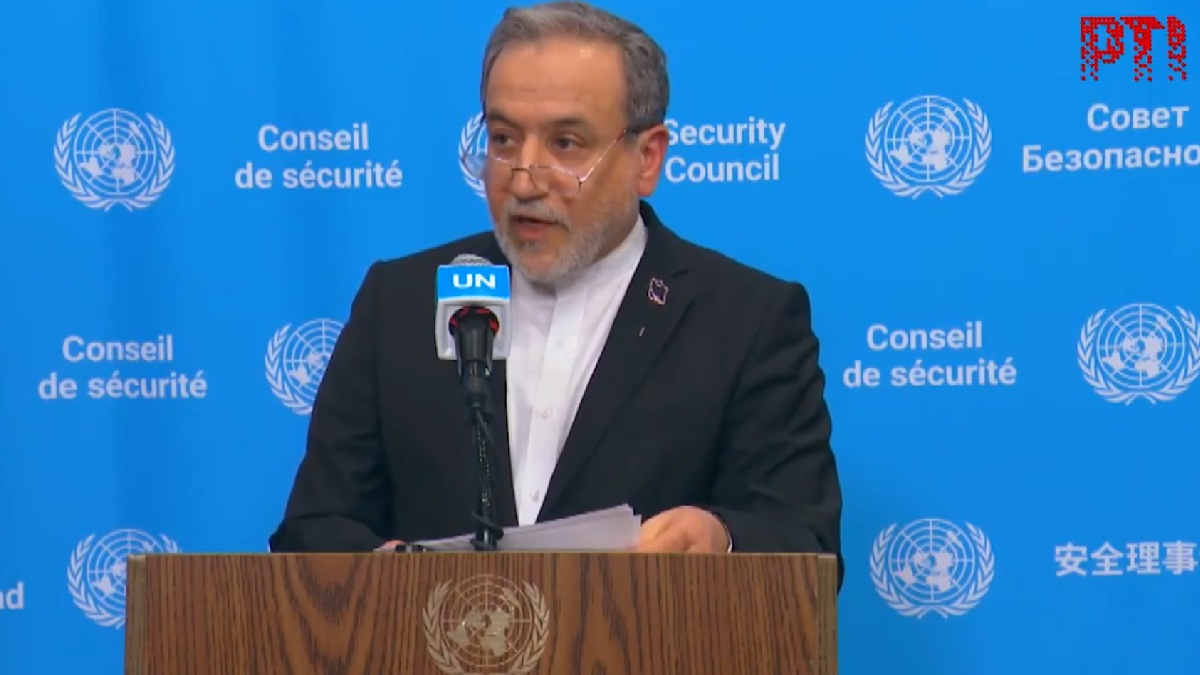
Pezeshkian made the comments in an interview with CBS, which was aired in Iran’s state news agency IRNA. Iran’s president had worked closely with the supreme leader on the new deal, Mr. Pezeshkian said. He also said Iran will fulfil its commitments if the United States accepted the terms put forward by Tehran.
The Strait of Hormuz has been the focal point of the ongoing Iran-US dispute since it is key to international maritime trade and energy supplies. Iran has proposed that the waterway might be reopened and regular sea passage resumed if Washington meets conditions.
Iranian Foreign Minister Abbas Araghchi announced earlier that Tehran had brought a concrete seven-day plan to the United States through intermediaries. Iran insists that the Strait could be reopened within seven days if the conditions are met.
Pezeshkian said there was also a six-member Iranian team to discuss the proposal. They are responsible for making decisions and come from multiple government departments, the military, parliament and government. This suggests that Tehran’s proposal involves multiple branches of the Iranian establishment rather than a single government department.
The Iranian president also linked the proposal to commitments expected from Washington. The plan is accompanied by news that Tehran is seeking sanctions lifting on Iranian oil and the release of frozen Iranian assets. Some reports have estimated the value of the assets involved to be $12 billion.
The proposal also relates to a memorandum of understanding Iranian officials say was already agreed with the United States. Pezeshkian said the new framework is the same general path and objectives as the earlier understanding and its provisions are organized into stages.
The Iranian officials also said they expect that the conditions will also be to end the US naval blockade of Iran and lift restrictions on Iranian oil exports. The details of any agreement, however, would depend on both sides’ acceptance of any such agreement, and its execution.
Washington has not publicly accepted Tehran’s proposal. Trump rejected the offer and the American president did not accept it, but other reports have said the offer was rejected by U.S. President Donald Trump, but there have been diplomatic contacts and talks about reopening the waterway.
The breakthrough comes after weeks of diplomatic talks. Iran had previously voiced hope that it could re-open the Hormuz Strait if the U.S. reduced military pressure and eased restrictions on Iranian ports. Earlier this week, Iranian officials said they had expressed a willingness to reopen the water route within a week if Washington met the conditions.
VIDEO | New York: "Iran has conveyed to the United States, through Qatar, a concrete seven-day plan. If the necessary conditions are met, the strait can be reopened, and normal maritime passage restored within seven days... "The choice now rests with the United States. Iran does… pic.twitter.com/2heHLQIQyS
— Press Trust of India (@PTI_News) September 26, 2026
The Strait of Hormuz is a major energy transit route, and a long-term disruption to shipping through the waterway would affect global energy markets, shipping costs and oil supplies. The United States and the regional countries have thus been closely monitoring the passage.
Iran’s latest proposal comes as diplomatic efforts continue around the wider conflict. Tehran has tried to link the reopening of the Strait with broader talks, while Washington has kept pushing Iran for an agreement.
For now, the proposal remains subject to negotiations and the positions taken by the governments. Pezeshkian’s claim that Supreme Leader Mojtaba Khamenei was involved in coordination of the plan indicates that Tehran is presenting the proposal as having backing at the highest level of Iran’s political leadership.
The next few days will be crucial for deciding whether the seven-day framework can lead to an agreement on reopening the Strait of Hormuz. Because both sides will have to know what is up and how, the strategic waterway will remain a key pressure point in the Iran-US conflict and a major focus of international attention.