At least 11 miners were killed and 30 injured in northeastern Sudan after a gold mine shaft collapsed on Saturday, with a search for workers believed to be buried underneath the rubble going on. The accident took place in the Oni mining area near Shendi in the Red Sea state of Sudan, local officials said.
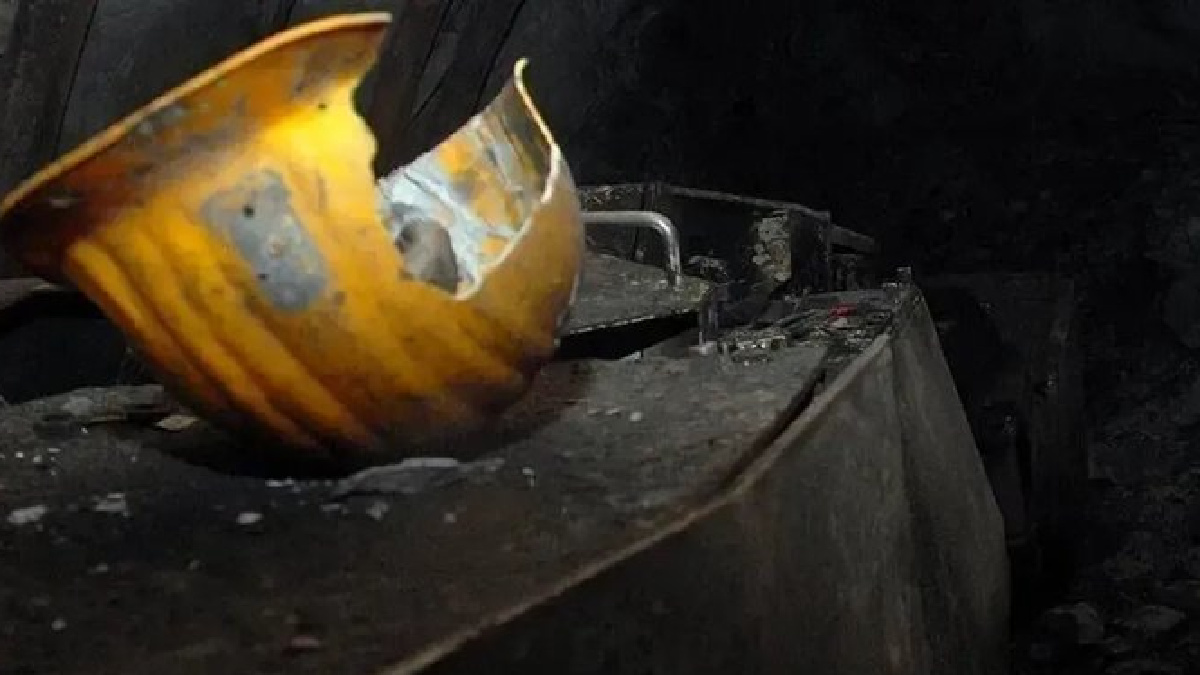
The collapse happened last night at an informal gold mining site, one of thousands of small-scale mines that are operating across Sudan. Rescue teams rushed to the site after reports that dozens of miners were underground when the shaft gave way. Emergency workers had recovered 11 bodies and saved 30 injured miners by Sunday, and search efforts are still ongoing for those still unaccounted for.
Sudan’s state-owned mineral resources company expressed condolences to families of those killed and said recovery was ongoing. A final number of miners are still trapped, and the death toll could rise as rescuers search for them in the rubble.
The tragedy came just a day after another mining disaster in western Sudan. At least 82 people were killed when several shafts collapsed at an informal gold mine in West Kordofan province last month. Rescue efforts at that site were hampered by a lack of heavy machinery and specialised equipment, and dozens of workers were initially reported missing under the rubble.
Mining accidents are not unusual in Sudan, where a large part of gold production is done by artisanal and small-scale mining processes that often lack adequate safety measures. Experts have frequently warned of unsafe working conditions, lax regulatory oversight and the use of ageing or unstable mine shafts that leave workers at constant risk.
Sudan is one of Africa’s top gold-producing countries, and gold is becoming more and more important to the country’s economy. Most of the sector is still informal, with thousands of miners working in remote places in hazardous conditions. Safety standards are not enforced well enough, increasing the likelihood of cave-ins and other mining-related accidents, as well as deaths and serious injuries.
The latest collapse has once again magnified for mining workers the danger and the difficulty of survival. The situation is so remote that they are still trying to find any survivors alive underground, local workers say.
The disaster also takes place in the midst of Sudan’s ongoing civil conflict, which has severely strained public services and emergency response capacity. Since the Sudanese Armed Forces and Rapid Support Forces (RSF) fought in April 2023, much of the country is unstable, and safety standards cannot be raised or regulations enforced in remote mining areas.
Local authorities have started an investigation into the cause of the collapse. Structural problems, poor maintenance, or breaches of safety procedures will be investigated, officials say. So too will the role of Sudan’s mining industry in preventing future tragedies.
Families of the missing miners are waiting for news that those who were lost are still alive as rescue workers comb the mine shaft. This is yet another reminder of the dangers faced by thousands of workers each day in Sudan’s largely unregulated gold mining industry.