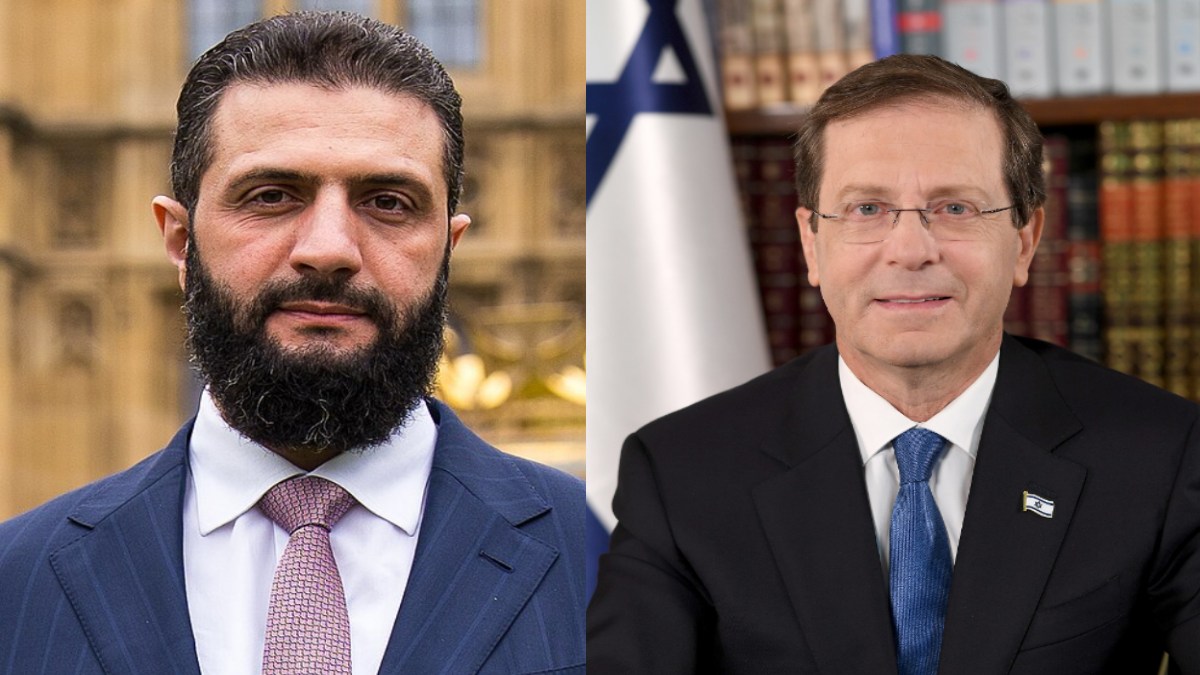
In a diplomatic win for Syria, the president of Syria says in a critical diplomatic statement that his country is willing to negotiate a security deal with Israel to help it stabilize the region and protect national interest. Speaking in an interview with Al Jazeera, the Syrian leader said Damascus is open to talks that will reduce tension and keep the country secure and that in fact will take time to win and for that reason there is a real sense of peace in Syria and between the two neighbouring countries.
The comments have attracted international attention because Syria and Israel are technically still in a state of conflict for decades and relations are determined by territorial disputes, regional conflicts and security concerns. Any signs of willingness to discuss a security understanding will be closely watched by governments, diplomats and analysts in the Middle East and beyond.
As a result, the Syrian president has stressed to the interviewer that the main objective of the country is to have its citizens safe and secure and contribute to regional stability. He said any future arrangement would be in line with Syria’s national interests and to minimize the risk of a third major war. But he did not give specifics about terms or times and of any kind of settlement and negotiation.
The comments come at a time when the Middle East has seen diplomatic dynamics shift in the Middle East and countries are reconsidering long-standing regional relationships. There have been increased diplomatic engagement among various regional actors and international cooperation to reduce tension through dialogue and confidence building mechanisms in the past few years.
The history of Syria and Israel's relations has been marked by conflict, including many wars and conflicts over the Golan Heights, which Israel captured from the 1967 Arab-Israeli War and annexed into Israel in what is not widely recognized globally but which is now a part of the territory. The status of the territory is one of the most sensitive issues in any discussion of future relations between Israel and Syria.
And security has always been at the heart of the relationship. Both countries have made accusations about military activity and cross-border security threats over the years. The region has witnessed occasional incidents of war as the security environment is very fragile. In this context, a security cooperation or a de-escalation proposal would be a very positive diplomatic signal even if it is a very early one.
International observers warn that such statements about diplomatic outreach do not necessarily mean talks are on the way. Instead, they might indicate a willingness to consider future possibilities if political and security conditions are good. An agreement on security would have to involve the whole spectrum of issues such as border security, military coordination, regional stability and confidence building.
The interview has also raised questions about the wider geopolitical landscape in the Middle East. Regional powers and international actors continue to support diplomatic efforts to reduce conflict and encourage peaceful dialogue. Many believe that ongoing communication between neighbours can reduce the risk of unintended escalation even if major political differences are not addressed.
The Syrian president’s comments have attracted interest but no official response has yet to be issued on formal talks. Diplomatic efforts to resolve long-standing regional disputes between nations are usually accompanied by a complex process of negotiations and often require the involvement of international mediators and partner countries and other parties.
Political analysts say that translating public statements into concrete agreements can be a lengthy process. Historical grievances, security priorities, territorial disputes, and domestic political considerations are all factors in the way that diplomacy is moving in the region. Any future conversations would probably proceed slowly and would require continued engagement from all parties involved.
The possibility of a security understanding, if pursued, could have far-reaching implications for regional stability. A lessened tension between neighbouring states might help to improve security conditions and humanitarian efforts and perhaps encourage more diplomatic dialogue in the Middle East. But progress would take trust, commitment and dialogue to come to fruition, and this would take time, and it would take time for trust to be established and that to happen it is necessary.
At the same time, as developments play out, governments and international organisations will be closely monitoring any further statements or diplomatic efforts related to it. However, so far the Syrian president’s comments are the most obvious sign of willingness to talk about regional security arrangements and the process towards a formal agreement is not clear and will be discussed with diplomatic partners.