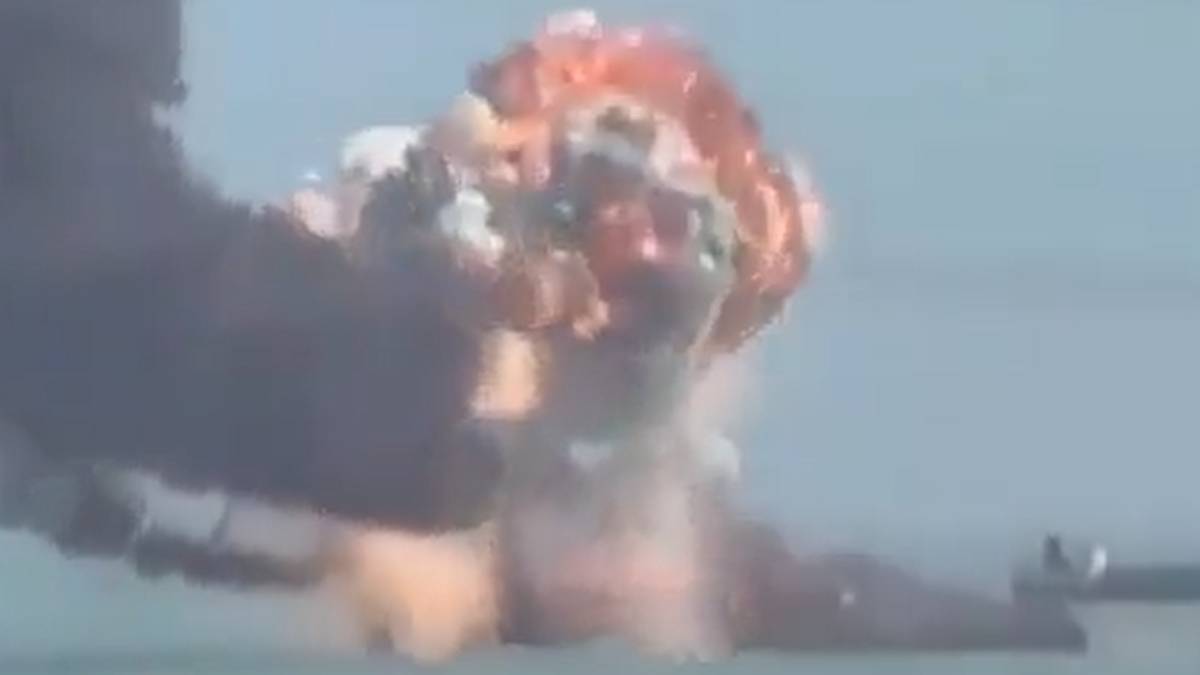
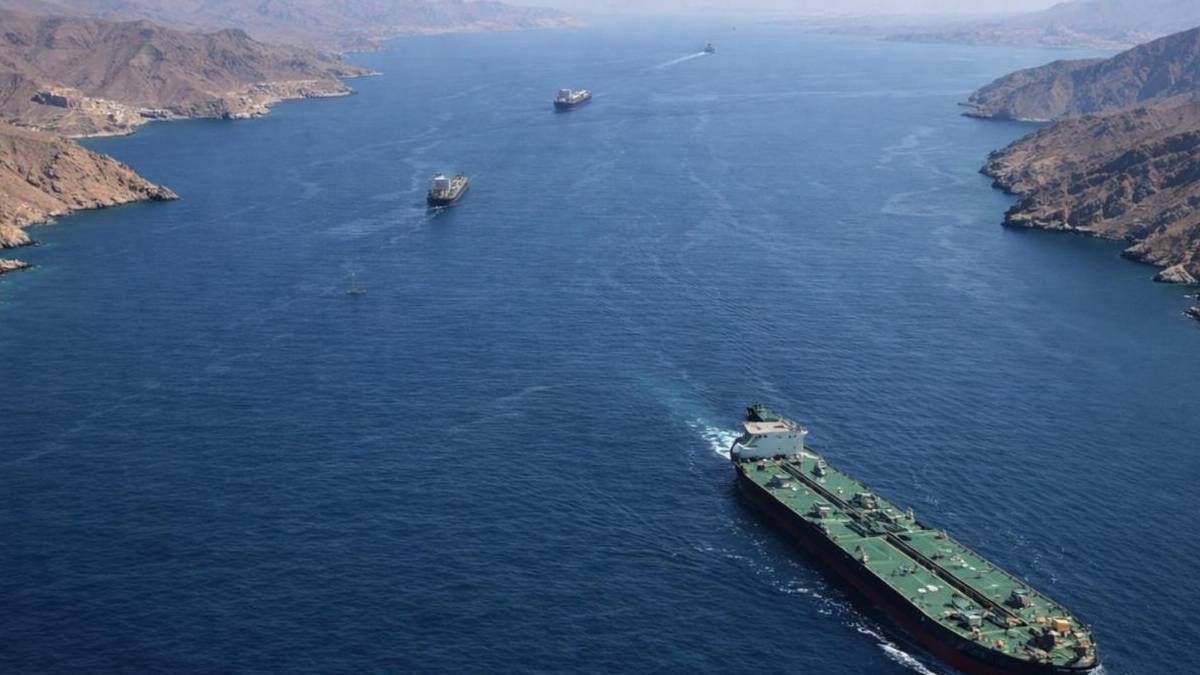
Satellite footage has also raised questions of a possible oil tanker strike on the Strait of Hormuz, one of the most important maritime routes in the world, and a commercial oil tanker has been struck at a time when tension between the United States and Iran is growing with the oil shipping and the world's main shipping routes as the United States and Iran have been going to war as tensions escalate.
The tanker was struck by an unidentified projectile as it travelled through waters around the Strait of Hormuz. The extent of damage remains under investigation but shipping companies have said that commercial vessels in the region are now experiencing higher security risks.
The latest incident comes as the United States and Iran are in ongoing exchanges of military strikes. The two nations have accused each other of rampaging into violence and have launched military strikes at strategic targets and defense facilities.
The mounting violence has drawn international attention, with several countries calling for restraint to avoid further destabilization in the Gulf region.
The Strait of Hormuz is the gateway to nearly 20 percent of the world’s oil exports, and is one of its most vital energy corridors. Every day millions of barrels of crude oil and liquefied natural gas (LNG) flow through the narrow waterway that connects the Persian Gulf to international markets. If shipping traffic is disrupted, the world economy will be affected and energy supplies will be impacted.
Following the tanker strike, shipping companies are more cautious now. A number of commercial ships have been delayed in passing through the Strait, with maritime insurance companies looking into the risk assessments for ships moving around the Straits. Long-term instability could also mean higher freight costs, higher insurance costs and longer shipping times for global oil shipments, in the short run, and higher insurance premiums in the long run.
The world’s financial markets are also closely monitoring developing events. Oil prices have also been volatile for some time as traders pondered the risk of supply disruption.
If military tensions continue to escalate, the international oil market is now very much in a state of uncertainty and oil prices are going to be affected by it and therefore the world oil market will be unstable and prices of oil will go up worldwide with it.
A tanker in the Strait of Hormuz has been attacked, forcing the crew to abandon ship as the US launched its 10th consecutive night of strikes on Iran. The escalation continues to disrupt global energy routes and drive oil prices up. #StraitOfHormuz #US #Iran pic.twitter.com/2TBX0mPGOW
— Gummalla Lakshmana (@GUMMALLALAKSHM3) July 21, 2026
Governments in Europe, Asia and the Middle East are calling for diplomatic cooperation to prevent further escalation. International maritime agencies have advised ships traveling in the Gulf to be on high alert and to keep the security of ships. Naval forces from several countries are also stepping up to shore up commercial shipping lanes.
Security experts say that although commercial vessels have been entangled in regional wars for centuries, attacks on tankers in a strategically important place have far-reaching effects. In addition to the immediate economic impact, damage to the Strait of Hormuz could affect trade, inflation and energy security worldwide.
At the same time the international community is closely watching the tanker strike. Military exchanges aren’t going away anytime soon, showing the Gulf’s fragile security landscape and why diplomatic efforts need to be taken to prevent a wider regional crisis.