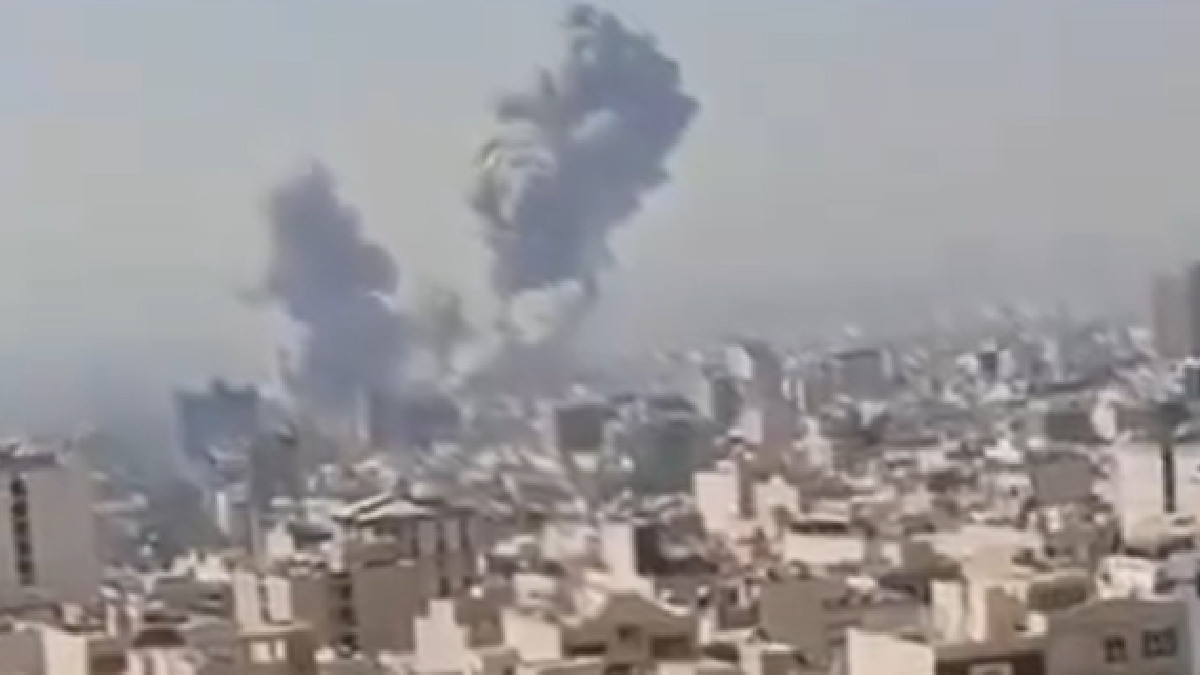
An explosive car bomb exploded in central Tehran on Imam Khomeini Street Wednesday, leaving at least three injured and shattering the tenuous peace of a temporary truce in the region. The blast, which began in the morning rush hour, released plumes of black smoke in the capital’s administrative district, a high-security area that contains a variety of government buildings and important sites.
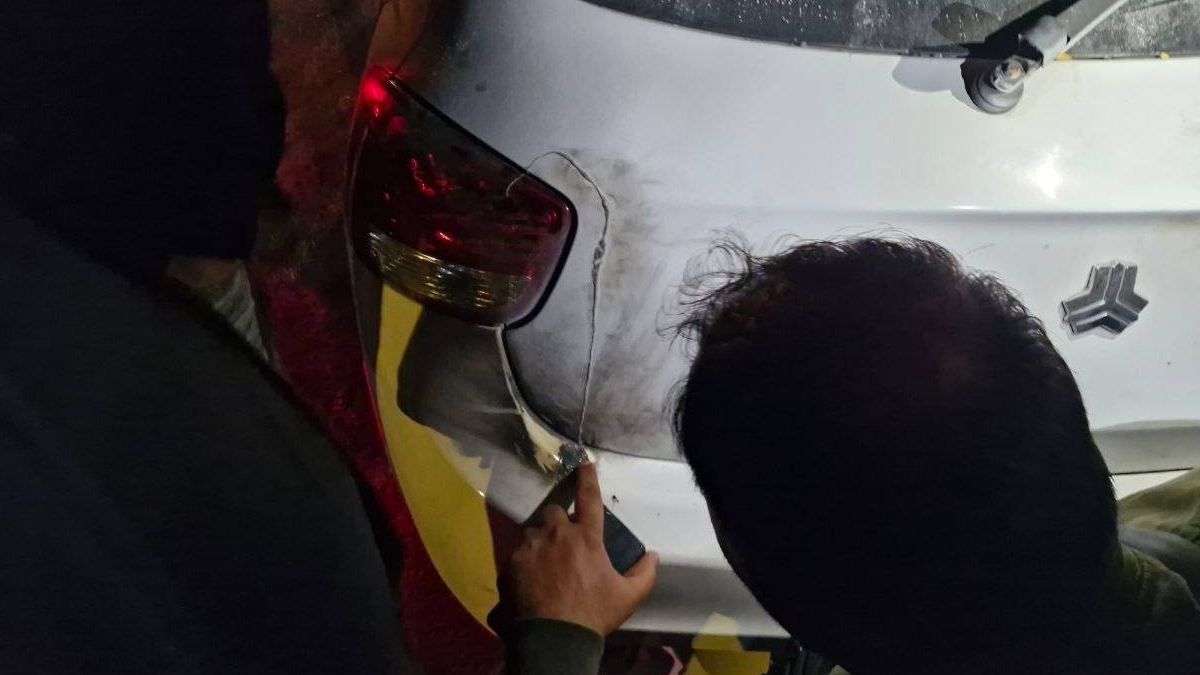
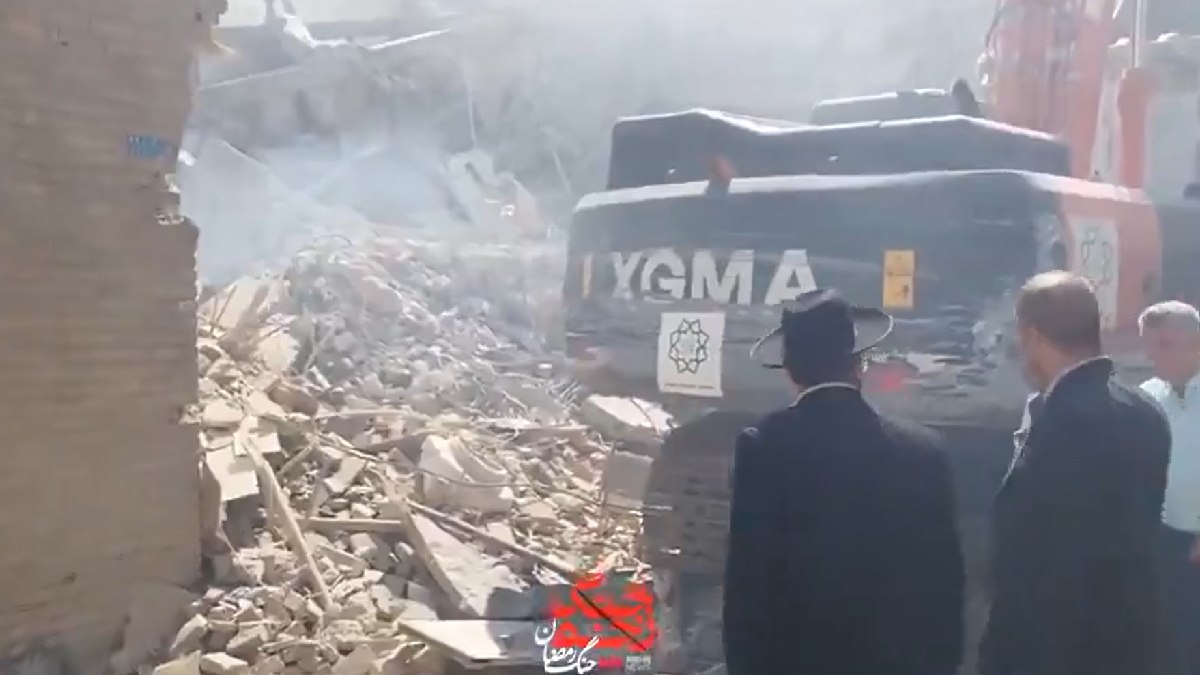
Within minutes, there had arrived emergency responders, and thick debris and charred scrap from cars was strewn on the roadway. The wounded fled to a nearby medical center, which today reports their conditions stable albeit not without severe consequences, the state newspaper says.
This week, the blast caused serious structural damage to neighboring retail complexes and parked cars fears that run strong among local residents who had already borne the brunt of many weeks’ aerial bombardments and whose foreign relations were strained at worst.
Security Response and Investigation
Iran’s Ministry of Intelligence is describing the attack as a “terrorist act of sabotage.” There is no official blame in the bombing, though local officials have gradually started investigating its links to “foreign-backed sleeper cells or dissenters within Iran.” They double security at major government buildings, and in particular nearby Ministry of Foreign Affairs.
The latest bout of violence follows a very destabilized environment for Iran as the country attempts to end the lethal fighting that broke out late in February 2026. It has now put on a two-week ceasefire, an agreement reached by Pakistan, which seeks to end the deadly fighting. Some military analysts say that localized attacks can be expected to spur Tehran to retaliate, making diplomatic solutions to prolong the cease-fire and reopen the Strait of Hormuz harder to accomplish.
A City on Edge
For the people of Tehran that live there, the bombing of Imam Khomeini Street is an unending reminder that our security is an unpredictable beast these days. But the capital has already suffered what is going to be an official truce for weeks, and it remains under such intense security surveillance that there are frequent checkpoints, and internet access is virtually cut off, making information about the city hard to get.
“The ground began to shake and glass began to fall,” said one witness who frequented a cafe immediately next to them. “We were under the impression that the strikes were back. And everybody is in a fear that the peace won’t be here.”
The inquiry has led the Iranian government to emphasize the importance of remaining vigilant and alerting authorities to any suspicious behaviour. As the ceasefire is coming to an end in the coming days, the rest of the world is watching Tehran carefully, worried that this regional explosion might lead to a regional conflagration at higher intensity, a localized explosion that seems destined to be the foment they fear in this, at least in the long run, game of conflagrations.