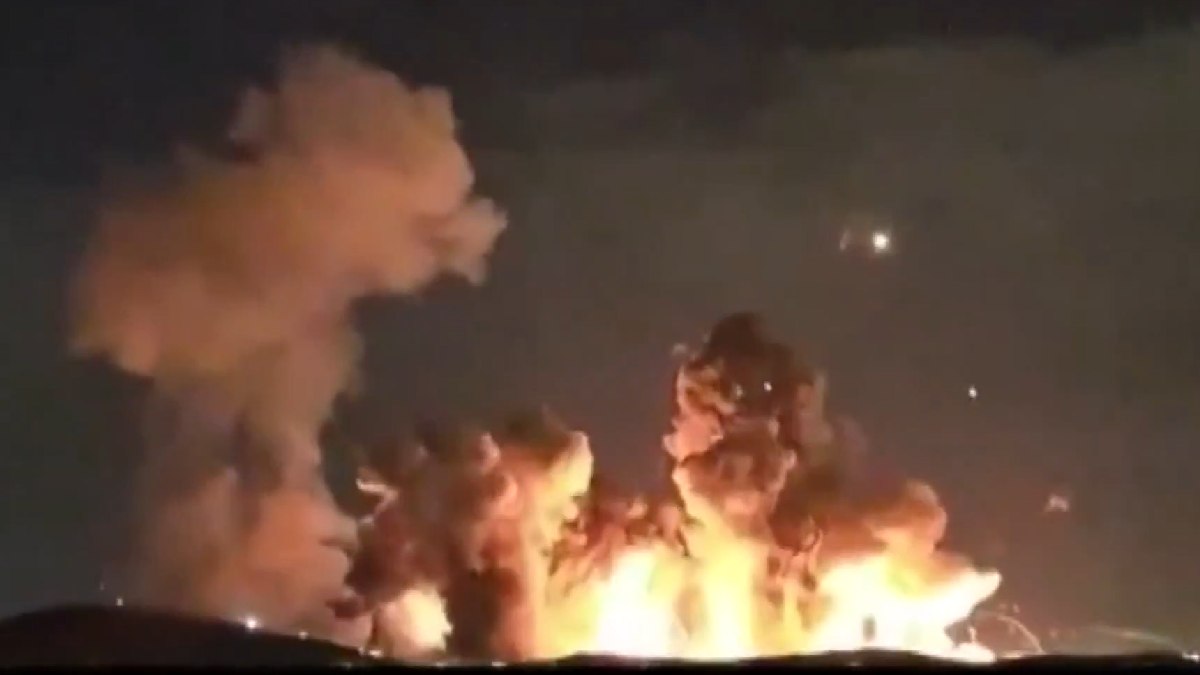
The Middle East conflict was at a fever pitch as a new wave of loud explosions swept across the skylines of Tehran and the northwestern city of Tabriz. As the military fight now reaches a more destructive stage, officials in the European Union have begun the official emergency process to evacuate hundreds of thousands of citizens trapped in the Gulf.

Strikes Deepen Across the Iranian Heartland
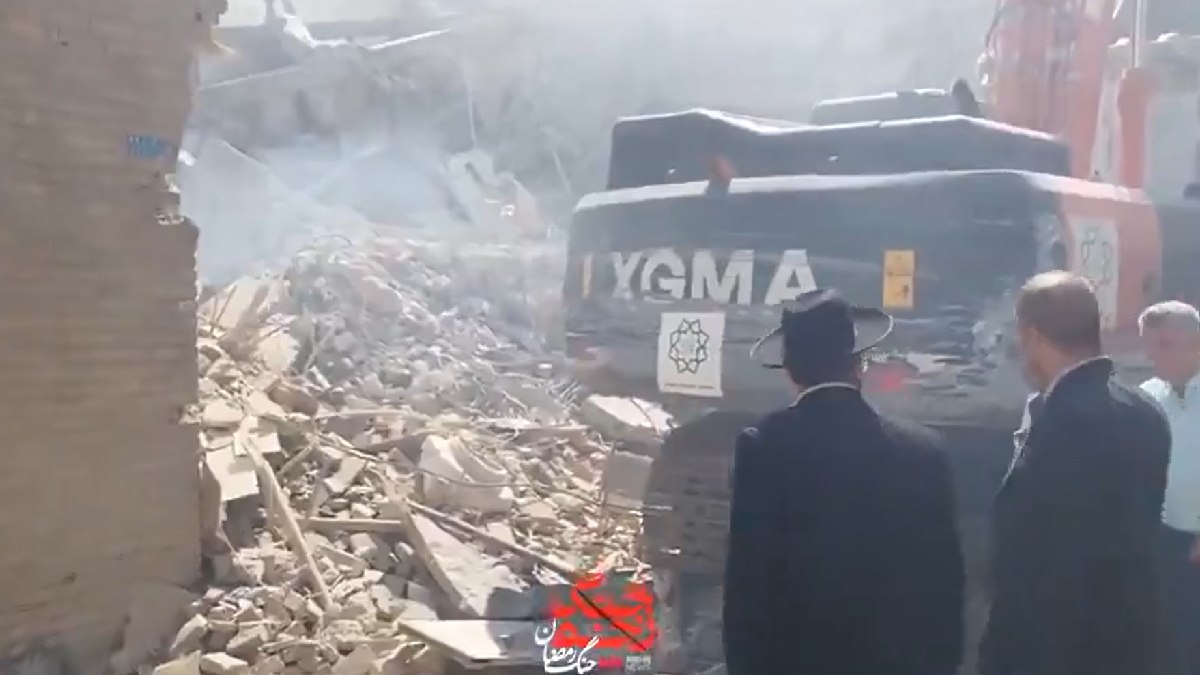
Some reports in the Iranian capital of several detonations of the sort described in the early hours of 3 March 2026, which were especially committed to the northern and western region of the city. State media reported that strikes targeting infrastructure near the capital occurred, but independent sources say the “stand-in” munitions are being used to strike internal security sites and drone manufacturing centers.
In Tabriz, an important industrial and military hub, residents said they had “shaken ground” as air defense systems failed to capture incoming projectiles. The scale of the strikes, which are now extending to Urmia, Isfahan and Shiraz, point to a coordinated campaign to disrupt the Islamic Republic’s command and control since the reported death of the Supreme Leader last weekend.
EU Sets “Crisis Mode” in the Gulf
The war has been escalating, with an estimated 1.5 million European nationals becoming entangled in the shooting between the GCC (Gulf Cooperation Council) states. The Civil Protection Mechanism has been activated by the European Union as airspace near the UAE, Qatar and Kuwait faces intermittent closures amid Iranian retaliatory drone and missile threats.
- Germany: Foreign Minister Johann Wadephul noted chartered civilian aircraft are being diverted to Muscat (Oman) and Riyadh (Saudi Arabia) so as to focus on the evacuation of elderly, children and people with medical needs.
- France & Italy: With close to 400,000 people in the region, Paris is coordinating “bridge flights” out of Abu Dhabi, as some corridors open up, a temporary respite from the influx of visitors.
- Ireland & Czechia: Some small-scale repatriation initiatives have already started, with the first flights carrying Irish nationals departing Abu Dhabi late Monday night.
A Region Under Siege
The human and economic costs are increasing. "With the launch of the US-Israeli "Operation Roaring Lion," civilian casualties have exceeded 800," Iranian Red Crescent stated. And the global economy is feeling the tremors; oil prices have spiked as Iran increasingly threatens shipping lanes passing through the Strait of Hormuz.
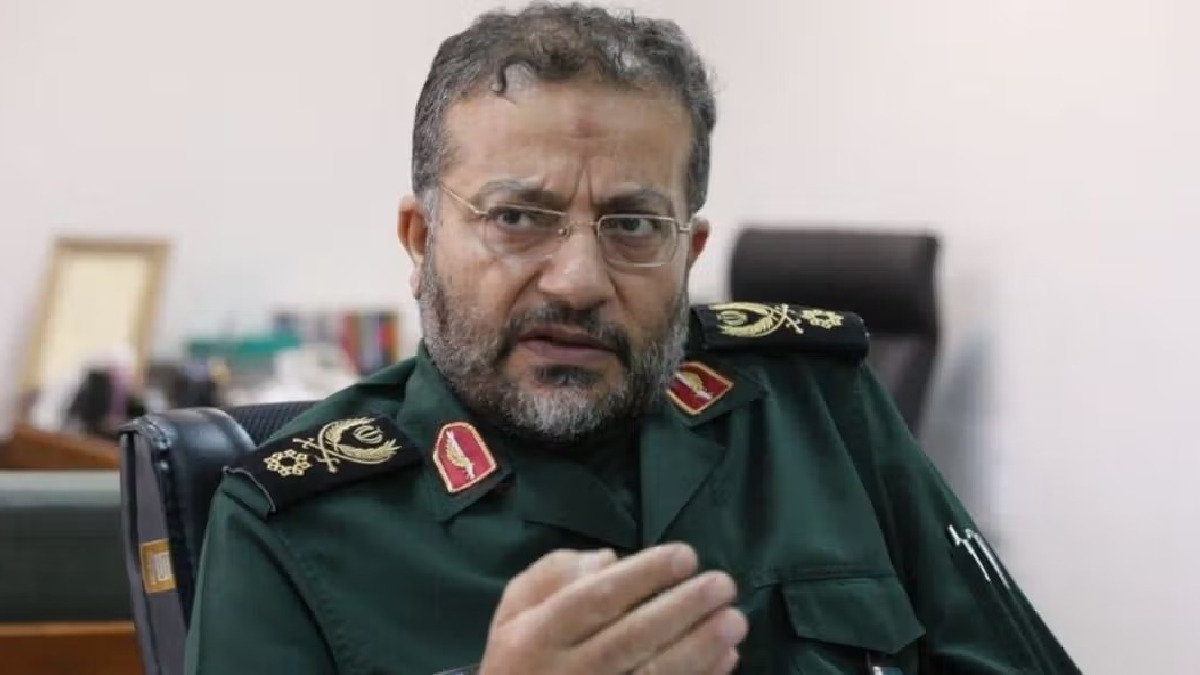
“The environment is volatile and unpredictable,” said Kaja Kallas, EU Foreign Policy Chief. “Our priority is to protect our citizens, but our window for safe exit is closing by the hour.”
The international community sits on the edge of an impending regional calamity waiting to see whether the diplomatic back channels now supported by Oman will find any leverage to hold off the spiral into a full-blown regional conflagration as the sun sets over a smoke-covered Tehran.