Three hikers died after Mount Dukono erupted in eastern Indonesia, local authorities said. The disaster revived the ghost of Indonesia’s extraordinarily active volcanic communities, in which eruptions often threaten both locals and tourists.
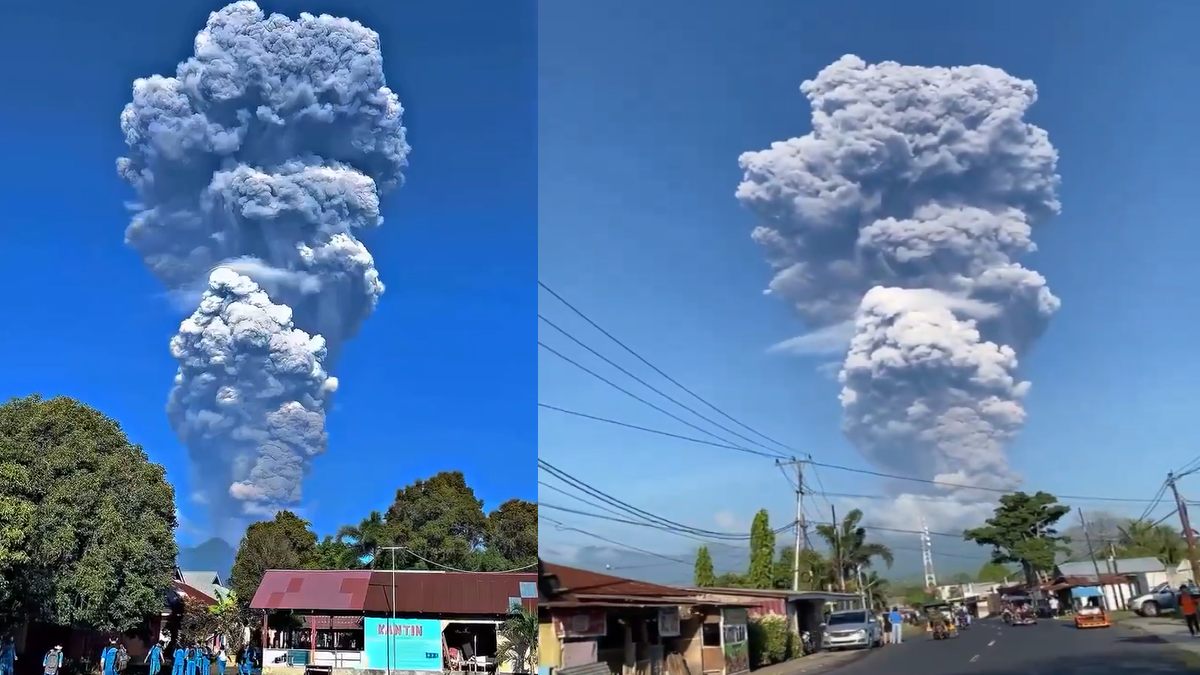
The hikers were near the volcano when a massive eruption, known as the eruption of Mount Dukono, occurred, sending vast clouds of ash, hot gas and volcanic material into the atmosphere, local disaster management officials said. The hikers took to the map, but did not come back from the volcanic eruption.
When multiple trekkers found themselves trapped on the mountain slopes during the volcanic eruption, rescue crews and emergency responders rushed to the place. Authorities later confirmed three hikers had died but still made sure no more people remained trapped in the devastated area.
Officials also said difficulty accessing terrain and poor visibility caused by volcanic ash exposure and ongoing seismic activity had reportedly hampered rescue efforts. During the rescue effort to evacuate emergency workers from within their proximity and move to safely retreat, hazards were reportedly encountered.
Mount Dukono is in Indonesia’s North Maluku province, one of the country’s most active volcanoes with frequent eruptions. The volcano sometimes releases ash columns and volcanic material, so authorities must keep observation systems and warning systems 24/7 around the area.
But Indonesia’s volcanology agency has already limited the crater to that zone, and warned residents and travellers away from the volcanic hazard zones. Officials said they are looking at whether the hikers had entered the restricted areas before the eruption. Several reports told of panic running rampant and swirling clouds of ash surrounding the area following the eruption.
Residents who lived around the region reportedly abandoned their homes for the areas that were less dangerous in the face of violent or more devastating eruptions. Authorities also warned people who live near the volcano to beware of more eruptions, either a possible detonation in smoke or (of the sort that happens when volcanic particles diffuse from the surface into the air, where they cause trouble breathing).
In some communities, masks and protective gear are being distributed to communities. Indonesia occupies the Pacific’s “Ring of Fire,” one of the world’s most seismically active regions. With more than 120 hotspots of active volcanoes, earthquakes, eruptions and other disasters are commonplace in the country, it wasn’t uncommon.
Volcanic eruptions in Indonesia have frequently forced people to evacuate victims or restrict air travel: They’re far too large and powerful for even human beings to safely navigate them. Such explosive events are particularly deadly to hikers and tourists, many of whom simply believe or find themselves threatened in some way, that nearby active volcanoes are on the scene.
And now there is a new avalanche hazard: Disaster management organisations instruct travellers and activities to pay attention to official warnings, and even avoid circumscribed volcanic regions, which may become dangerous during seismological activity. Eruptions in Mount Dukono, environmentalists say, can occur intermittently for the duration of a year, causing long-term ash flows and bad weather in the region, experts said.
Meanwhile, local officials offered condolences to the families of the victims and said investigations into the incident were ongoing. It also examines security protocols and surveillance, officials said, to avoid repeating a tragedy of that nature in the past, so safety in these circumstances isn’t repeated in a similar situation.
The deadly eruptive event is another grim warning of the violent character of Indonesia’s geological map and its potential danger to villagers and anyone entering close contact with the active volcanoes while rescue work takes place and surveillance continues in concert with activities occurring nearby.