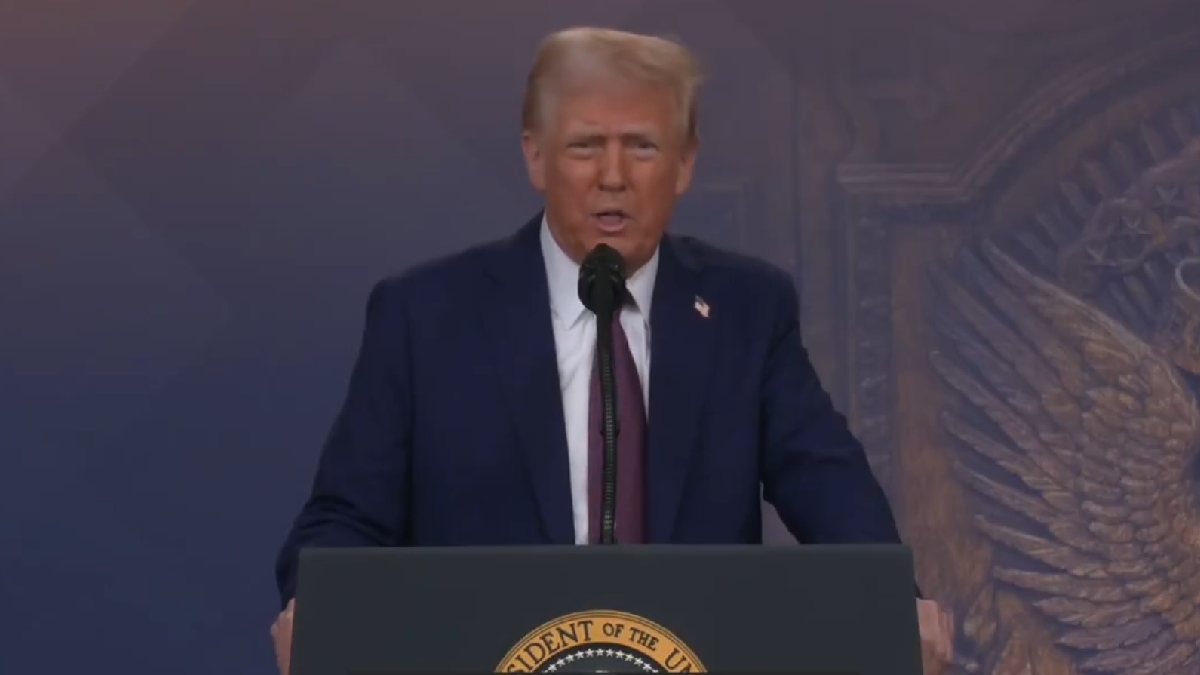
Donald Trump is going to implement tariffs of up to 200% on imported generic drug imports in the US and that will have a big effect on India's pharmaceutical sector if it happens.
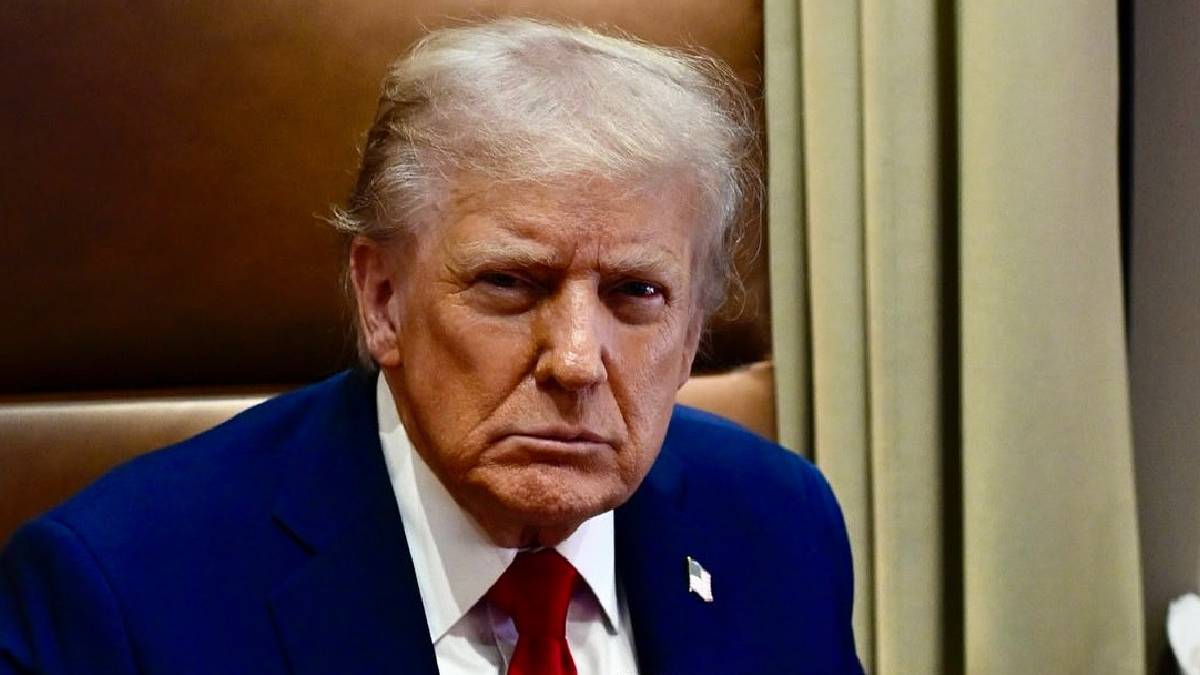
The plan, which is one of his larger trade and manufacturing agenda in line with his broader agenda on trade and manufacturing, is aimed at encouraging pharmaceutical companies to produce more medicines in the United States.
India is one of the world’s largest exporters of generic medicines and supplies a significant share of affordable prescription drugs to the US market. A heavy tariff on these imports would increase costs for manufacturers, reduce exports, and potentially raise medicine prices for American consumers.
Trump said in his economic and manufacturing plans, he insisted that we should reduce America’s reliance on overseas pharmaceutical production and its dependency on foreign pharmaceutical production to the US. Trump said high tariffs will lead companies to bring manufacturing jobs back to the United States, creating jobs and strengthening domestic supply chains.
Industry experts, however, believe such a policy would have far-reaching effects. India’s pharmaceutical sector exports billions of dollars’ worth of medicines to the US every year. Generic drugs made by Indian companies make up a significant share of the prescriptions filled in American pharmacies, which helps to keep healthcare costs low.
If tariffs as high as 200% are imposed, Indian drug manufacturers would be far less competitive in the US market. The companies will either absorb higher costs, cut exports or pass on higher costs to consumers. Healthcare analysts also warn that American patients will eventually have to pay higher prices for many commonly used medicines.
The proposal has also raised concerns about global pharmaceutical supply chains. India is frequently called the “pharmacy of the world” for its scale in delivering affordable medicines. If exports are disrupted, essential medicines in several markets could be affected more so if production changes cannot be achieved quickly.
Effective August 1st, 2026, all Generic Drugs being brought into the United States will continue to have a TARIFF of ZERO PERCENT for a two year period of time, after which the TARIFF will be raised to 100% for a one year period of time, and 200% thereafter. This is done in order… pic.twitter.com/hX0citsvLj
— Commentary Donald J. Trump Truth Social Posts On X (@TrumpTruthOnX) July 21, 2026
Indian pharmaceutical companies have not yet come together to respond to the announcement, but industry observers say companies will be closely tracking US policy changes. Since the proposal is part of Trump’s campaign agenda, the implementation will be a matter of policy decisions and regulatory procedures in the future.
Trade analysts have said that pharmaceutical imports have long been treated differently from other imported goods as they have a direct impact on public health. Any new tariff policy would need to be discussed with industry and healthcare regulators before it is finalized.
The announcement also comes at the same time as countries in the world are all too keen to develop the manufacturing of products that most people buy: medicines, semiconductors, medical equipment. Supply chain resilience, after the COVID-19 pandemic, for governments to avoid and to take action, is a strategic imperative.
The US is still one of the most important export markets for India in terms of the pharmaceutical sector. If there is a change in American trade policy, then the future of exports, investment opportunities, and long-term outlook for the Indian pharmaceutical sector will depend on this.
Business and investors should wait until there is a formal policy on this, but that will not take place until 2019, and India’s pharmaceutical sector will be closely watching the situation in Washington and will be able to react in the event of such tariffs coming into effect.