President Donald Trump’s promise to give every American adult a $5,000 “dividend” if Republicans retain a majority of Congress before the November midterm elections has prompted a flood of criticism from those who say he is making an unheard-of campaign-season money appeal.
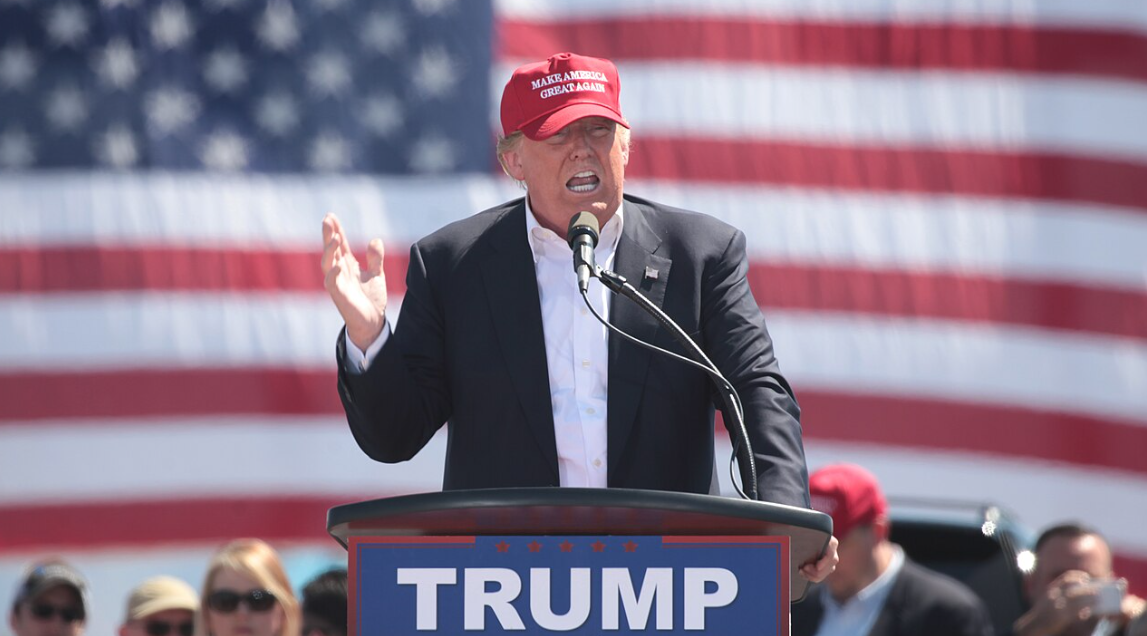
Trump made the pledge at the Republican Party’s first-ever midterm convention in Dallas, Texas, on 9 September 2026. He said Americans would receive the payment if Republicans maintained control of both the House of Representatives and Senate after the November 3 elections.
And Trump’s proposal, which he presented as an economic dividend, immediately drew fire online. The proposal was perceived as “vote buying” and whether promising thousands of dollars before a presidential election crosses an ethical or legal line.
But legal experts, according to The Associated Press, said the proposal doesn’t automatically constitute an illegal campaign payment because Trump did not obligate individual voters to vote for Republicans. Instead, the proposed payment would apply to all voters if the Republican Party did get the required electoral outcome.
Trump’s ‘Trump Dividend’
Trump portrayed his plan as a reward that could be paid for with government revenues and tariffs. Vice President JD Vance later said that higher-income Americans might not necessarily qualify, adding uncertainty to who would ultimately receive the money and how the program would work.
The size of the proposal has also raised questions. Reuters estimated that giving $5,000 to every eligible American adult could cost $1.35 trillion, while other estimates have shown that the price tag could be more than $1 trillion.
The huge cost has even made economists and political observers ask how such a payment will be financed without worsening the federal deficit or inflation. And the United States already has its own fiscal pressures, making the proposal a particularly thorny economic issue.
Democrats Attack the Proposal
Democrats and other Trump critics immediately seized on the announcement, casting it as an attempt to energize Republican voters ahead of a difficult midterm contest.
The timing is particularly important. Republicans are trying to defend their congressional majorities while Trump has become a central player in the party’s midterm strategy. Trump has demanded that voters view the elections as if he himself were on the ballot—not just from the background.
The controversy also follows previous proposals by Trump to directly pay Americans—tariff-related and government-efficiency dividends, among them. That history has raised doubts about whether such a $5,000 promise can actually occur.
What Happens Next?
The Republican Party is going to face a major test on Nov. 3, when voters decide to elect Congress. Trump's proposed dividend, if he wins, could be the primary political argument—especially since voters are so concerned about inflation, household expenses, and the economy.
For now, the $5,000 promise is still a political proposal and not a government program. It needs to be legally funded through a mechanism and eligibility criteria to be addressed before Americans will receive any payment.
The debate had, however, given Republicans an effective campaign message—and Democrats another reason to challenge Trump's economic and electoral strategy.