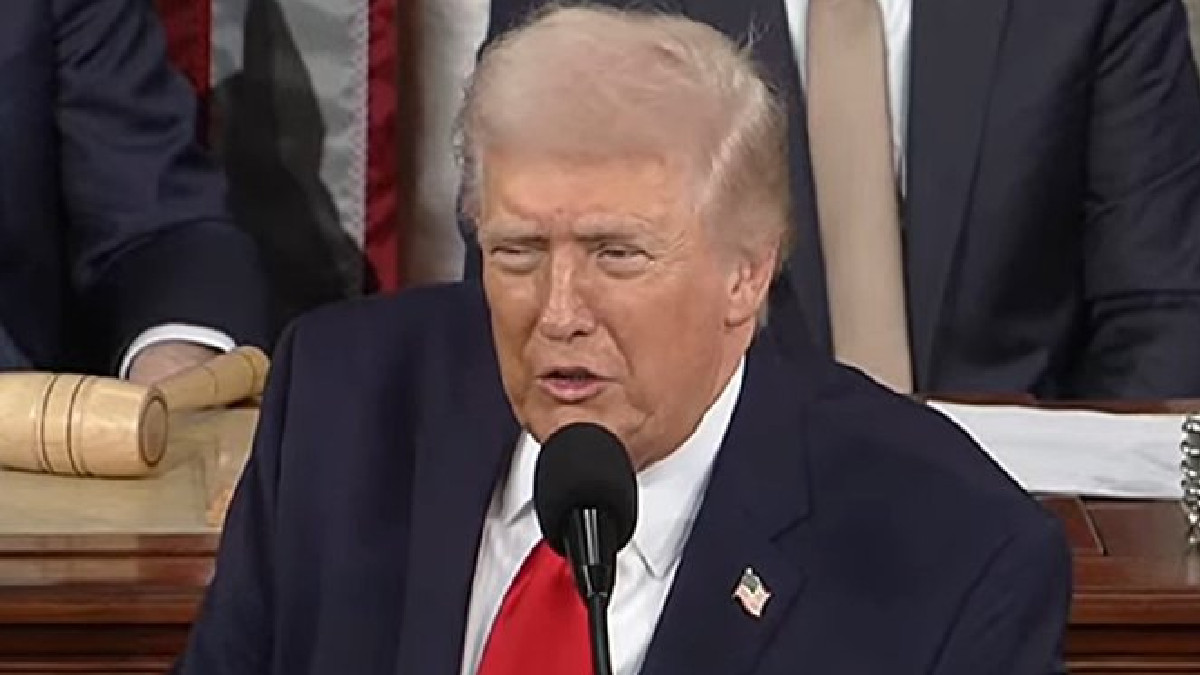
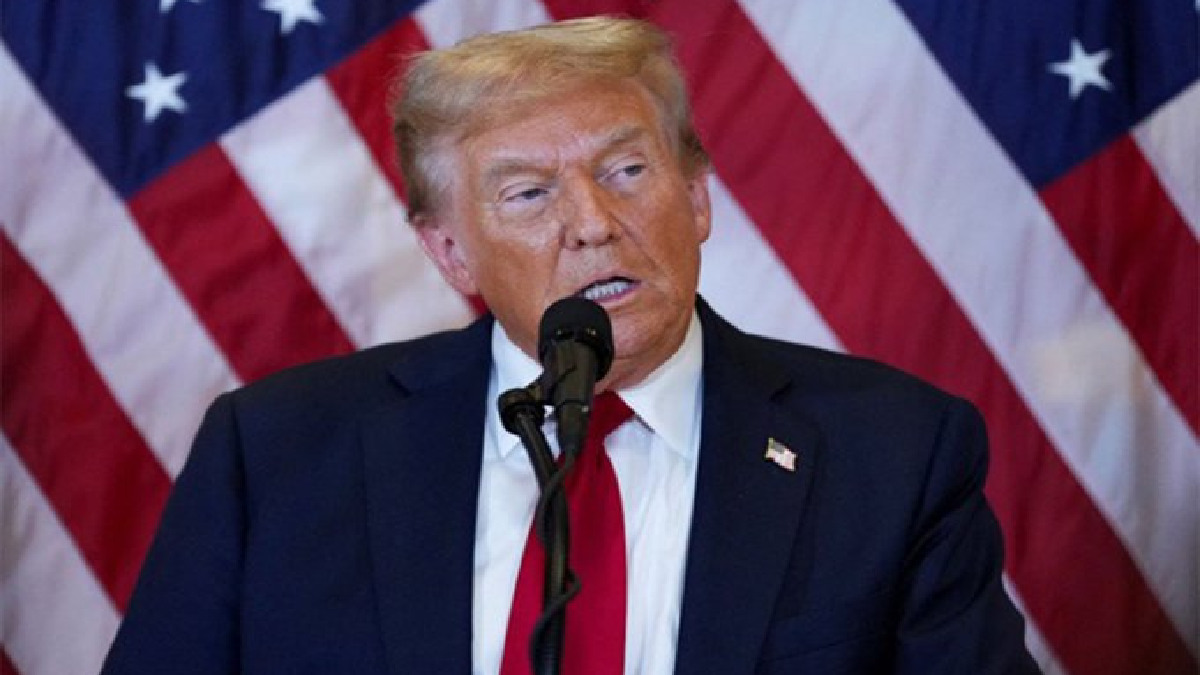
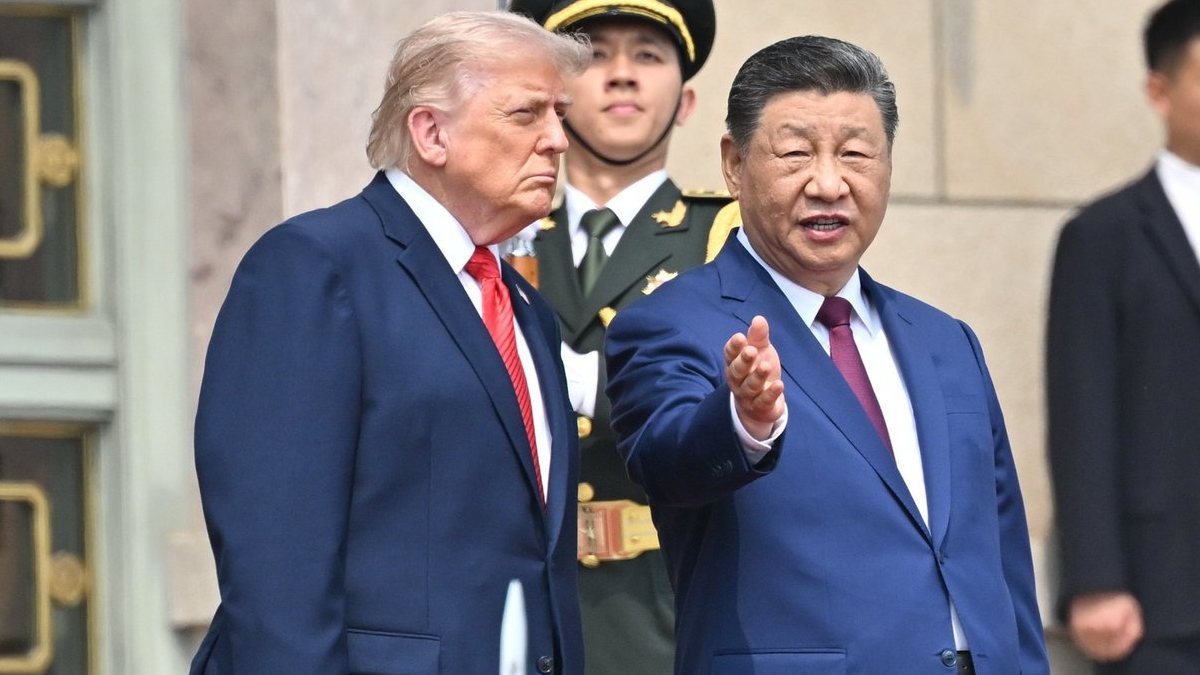
The Strait of Hormuz, a world-spanning shipping route, is emerging once again as the linchpin of international concern. On March 15 to 16, 2026, U.S. President Donald Trump reached out to China, Japan, Australia, Britain, France and South Korea to ask them to send warships to secure the passageway. His request comes as tensions in the Middle East rise, but allies’ response has been mixed.
President Trump called on nations to join a coalition to ensure that the Strait of Hormuz remains open. It’s just one of several small arteries that is central to the industry, as nearly 20% of the world’s oil is exported over the course of the year. Regional conflicts triggered the disruption of global energy supplies, while fears of global energy shortages and price spikes have also increased.
Trump’s appeal was rare, not even in that he offered China, a key power, a geopolitical rival when his call went so far as to actually ask her to join him in this effort. He warned that the strait’s securing is not merely America’s role, but it is the responsibility of the whole world and something America must do, not only for America.
Responses from Allies
- Japan: Japan officials indicated that they would not deploy any naval ships to the Strait at sea.
- Australia: Likewise, Australia said it won’t send warships to the region.
- China: Cited in Trump’s appeal, but Beijing has not pledged to act.
- Other Allies (UK, France, South Korea): In their reactions, the responses are tentative with no firm commitments so far. It reflects the challenges Trump faces in developing a coalition for the mission.
The Strait of Hormuz refers to a narrow connection between the Persian Gulf and the Arabian Sea. It is an essential site for international trade because:
- Energy Supply: About one-fifth of the world’s oil exports flow through it.
- Strategic Location: Iran, which has routinely threatened to block it, is another crucial barrier to access.
- Impact on the world: Any disruption influences oil prices and shipping internationally.
The Trump call points to the urgent nature of the situation, but the withdrawal of major allies like Japan and Australia undermines the coalition. Asking China for assistance also underscores the magnitude of the crisis, though cooperation between Washington and Beijing is unclear.
President Trump’s call for international assistance through the Strait of Hormuz illustrates that shipping is of world significance. But after major allies decide not to send warships, and others turn down these, then the United States has troubles getting it through. The next few weeks will reveal whether a coalition can be formed, or whether America is forced to take on the brunt of all this on its own.