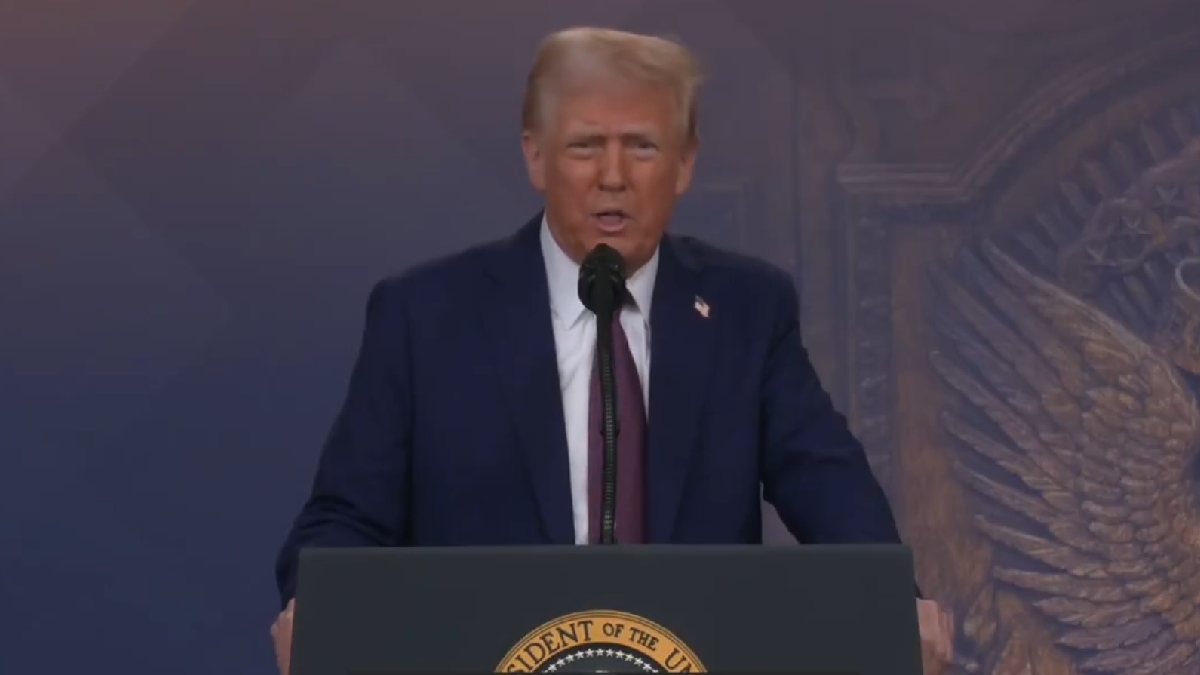
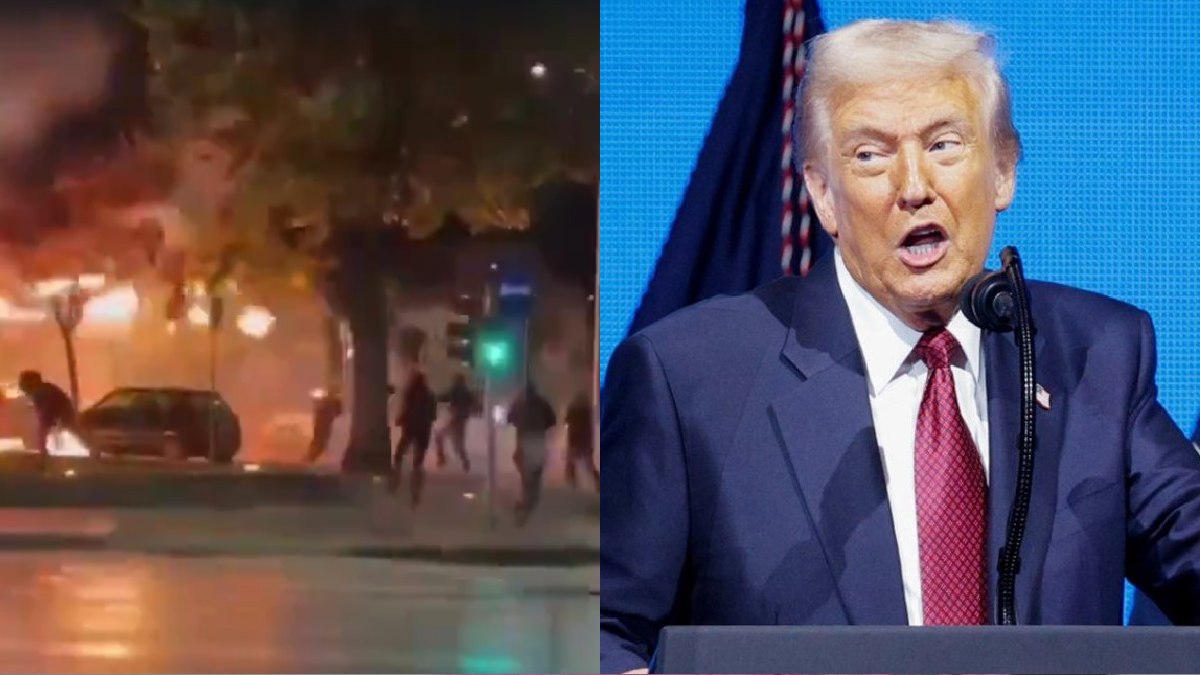
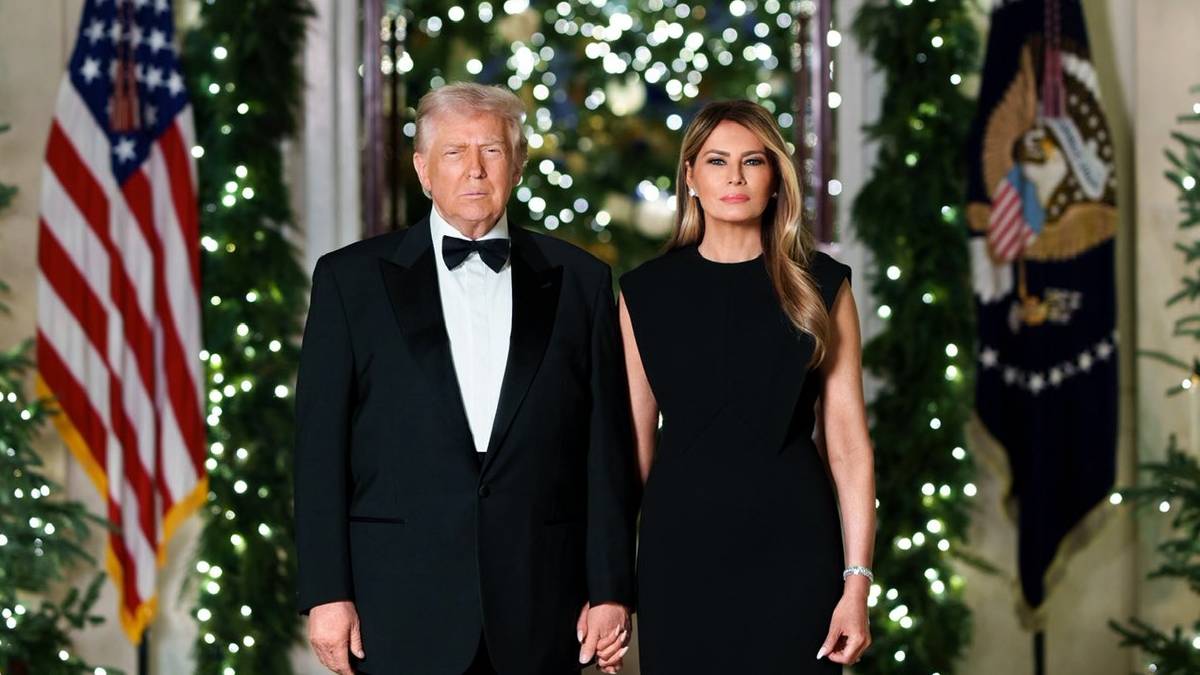
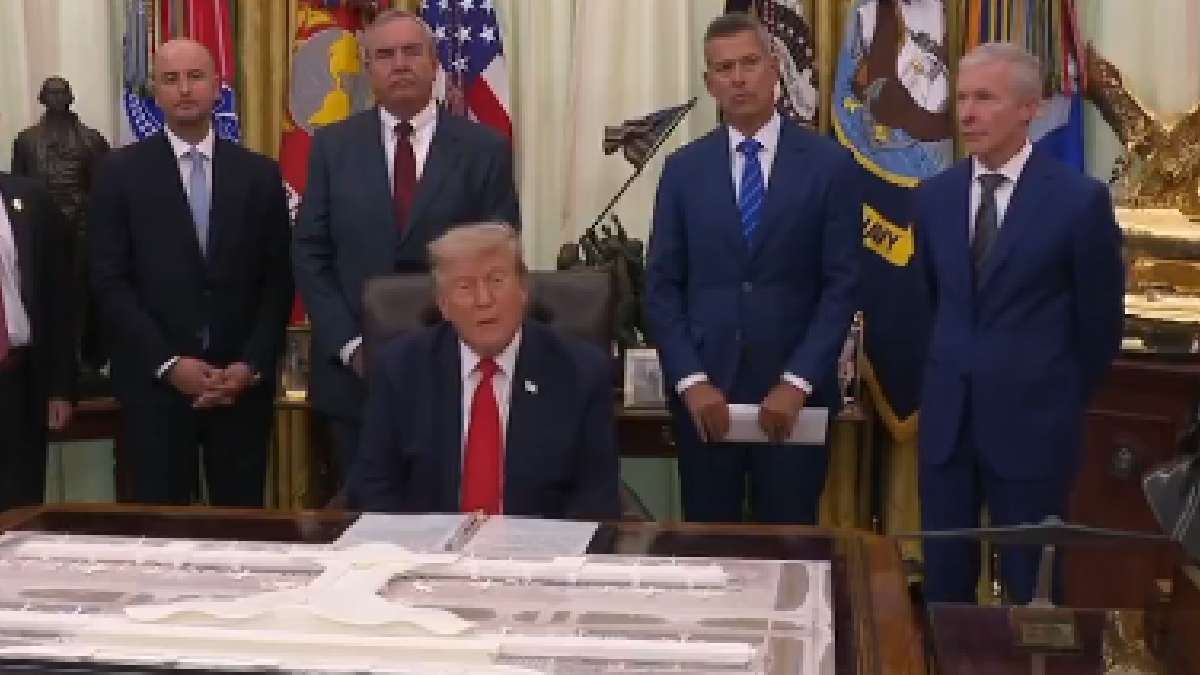
A new report has begun to become well publicized among world publications that former U.S. President Donald Trump may be considering the power base of an Iranian parliament speaker as being a leader in future time. Both men have been having trouble maintaining good relations and having indirect diplomacy continue across the Middle East.
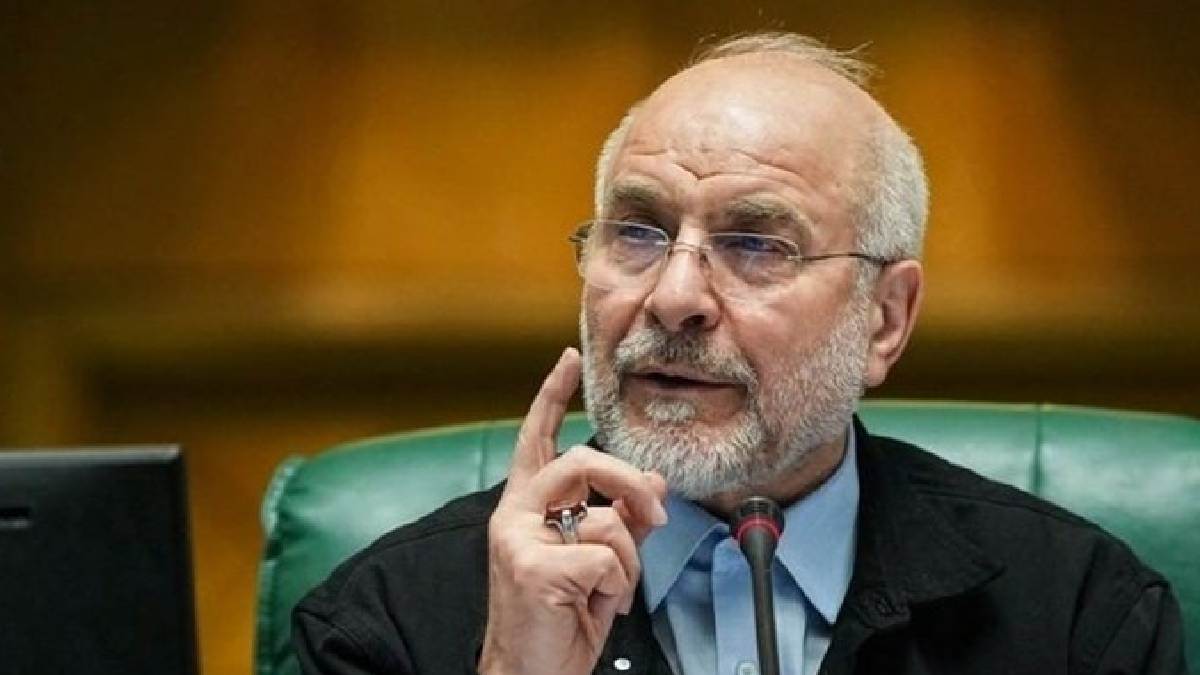
Earlier this year, some sections of the American administration regarded Ghalibaf as a “pragmatic” and “workable” kind of guy who could play a role in talks and probably influence Iran’s political future. One senior administration official called him a “hot option,” but even with no formal decision and at least six contenders in some places being debated.
Ghalibaf, who was military commander of the Revolutionary Guards and now parliamentary speaker, has long been a powerful insider in Iran’s political system, say analysts. What analysts have noted is the combination of military and political expertise that might make him significant to a post-conflict or pre-transitional context.
But the ground is still extremely complicated and unclear. While Trump has expressed hope for “constructive conversations” with Iranian representatives, Tehran has publicly rejected all such contacts. Ghalibaf also has publicly denied that talks have been held with the U.S., which he believes is not on side of Iran.
The backdrop of those developments is a tense geopolitical environment wars at sea over the Strait of Hormuz, ongoing military threats and regional talks to reach such agreements between countries as Turkey, Egypt and Pakistan. Talks are ongoing among diplomats around the world, we believe both behind-the-scenes to de-escalate the tension and to strike a deal.
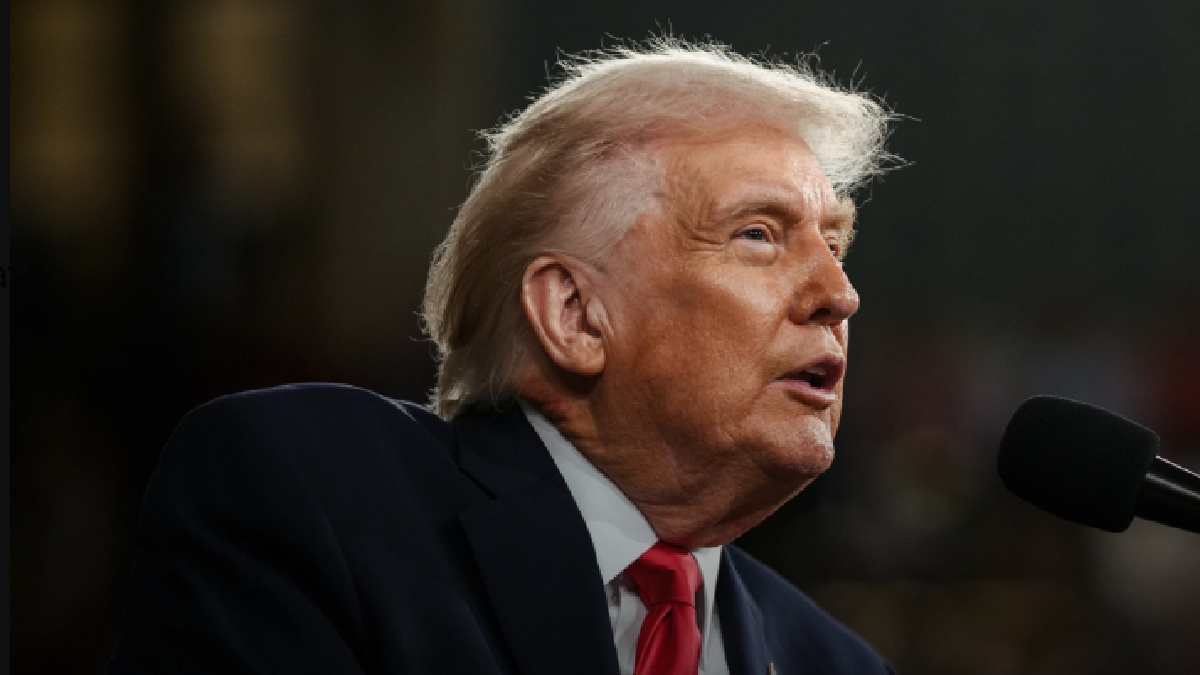
Even with speculation, all experts acknowledge that any suggestion of the U.S. influencing Iran’s leadership is highly controversial and unlikely to be straightforward. Iranian officials have always insisted the nation's future will not be governed and organized by foreign powers and Iran will lead itself and have to choose leadership of the country by itself, not through the prism of foreign powers.
Even within Iran’s home soil, the reports indicate that U.S. strategy may change from open conflict all the time to studying internal power dynamics. So, whether Ghalibaf even has the potential to become a future leader or maybe even engage in meaningful dialogue with Washington is a difficult question.
To this moment, the dispute is rooted in strategy and geopolitical manoeuvring and uncertainty, and global observers will be listening for what changes happen this time as U.S.-Iran relations develop in the coming few days.