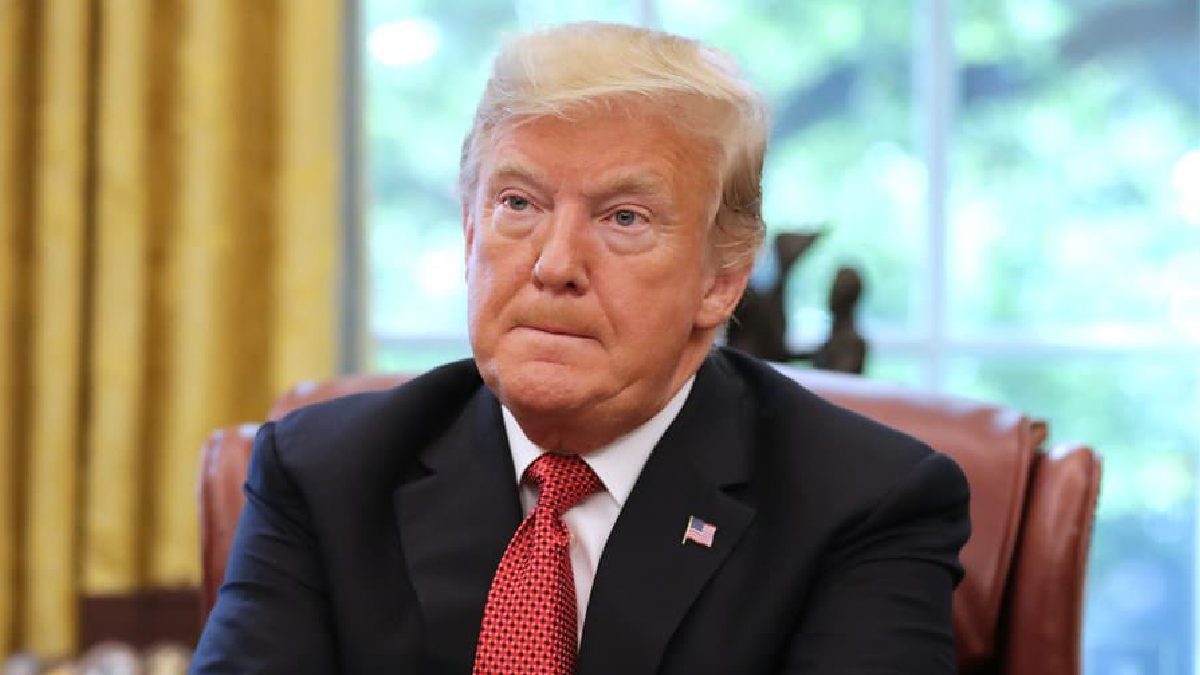
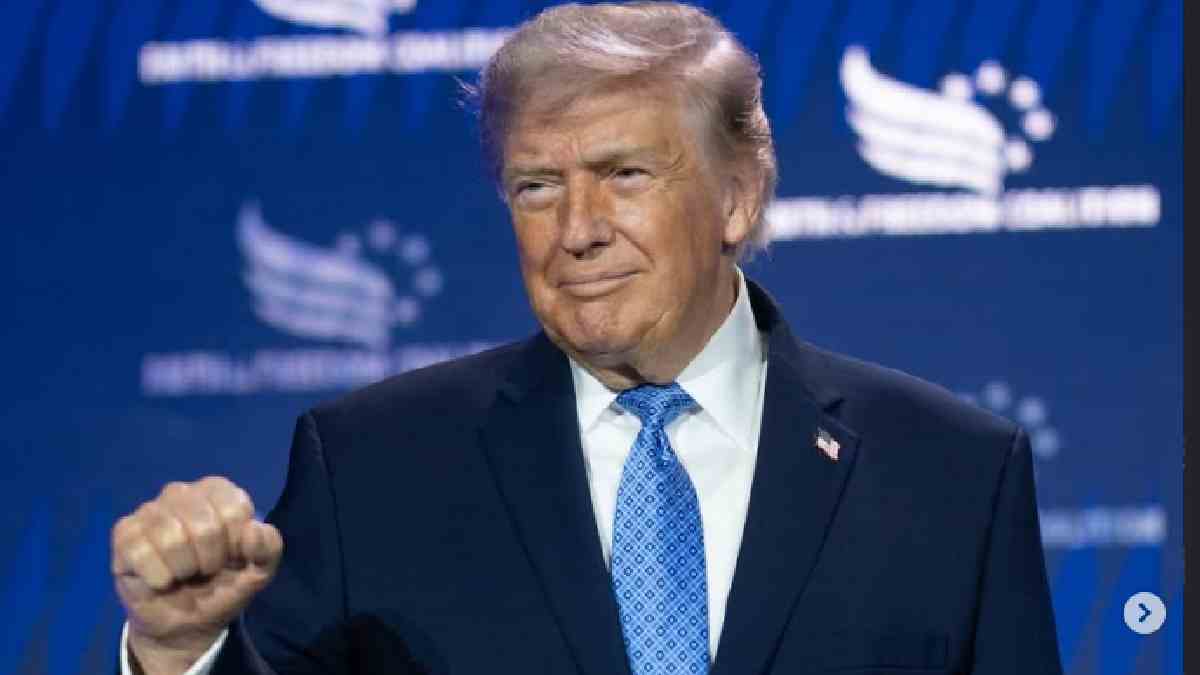
Trump has announced in the past few weeks that he will put off plans to launch new US military strikes on Iran, saying diplomatic efforts by key Gulf states are on the way to easing tensions in the Middle East. He said he had spoken with leaders from Saudi Arabia, Qatar and the UAE -- two nations that he said had been encouraging restraint and dialogue instead of military escalation and diplomacy.
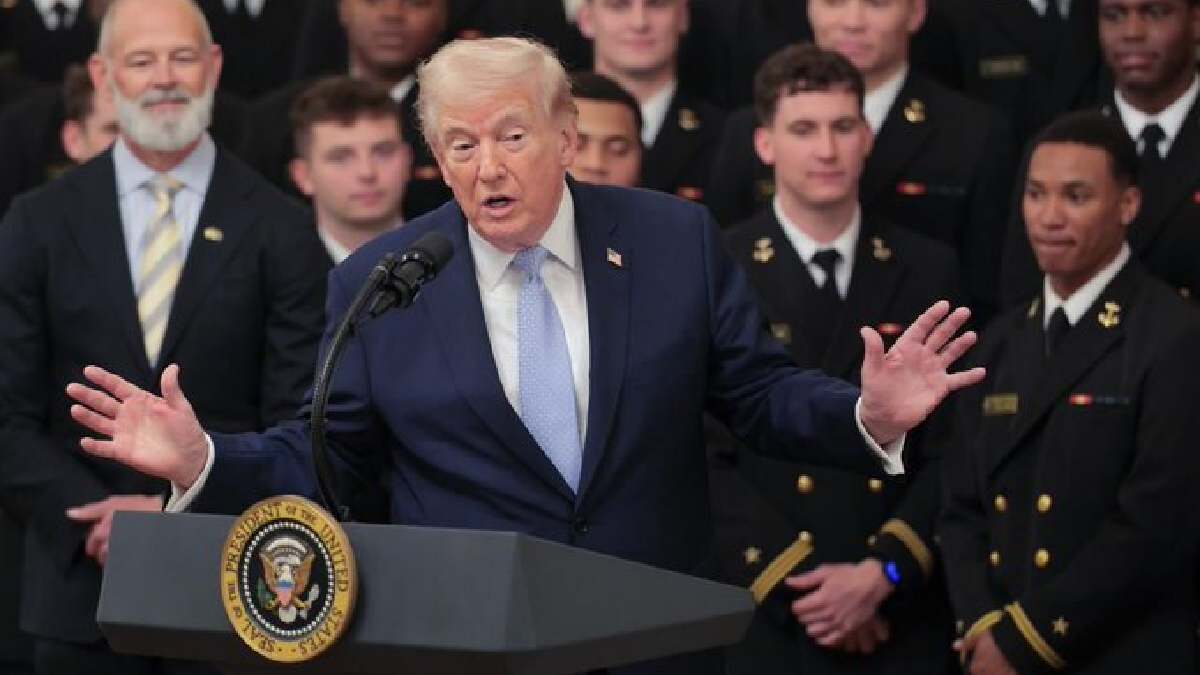
Trump added, in a speech to reporters yesterday, that the Gulf nations had helped build a framework for an agreement that could help to ease the long-running conflict between Washington and Tehran. In response to those calls, the U.S. President said that regional allies had convinced him that diplomacy should be given another chance before any other military action is considered.
The announcement is a striking change of tone after weeks of growing tension in the region. For now, relations between the United States and Iran are strained by disagreements over security, regional influence and military activity. The recent tension has fuelled fears of a fresh round of armed conflict, and the world is worried about a bigger conflict.
Trump said, though military options are always on the table, his administration is willing to pause and assess if diplomatic channels can have any impact. Any further action would depend on Iran’s willingness to be constructive in the region and not do things that could cause further division, he said.
Saudi Arabia, Qatar and the UAE have been active in promoting dialogue between the parties, the report said. That these Gulf nations have been more involved in mediating regional disputes is a reflection of growing concern that an all-out war with Iran would be a threat to regional security, global energy markets and global trade.
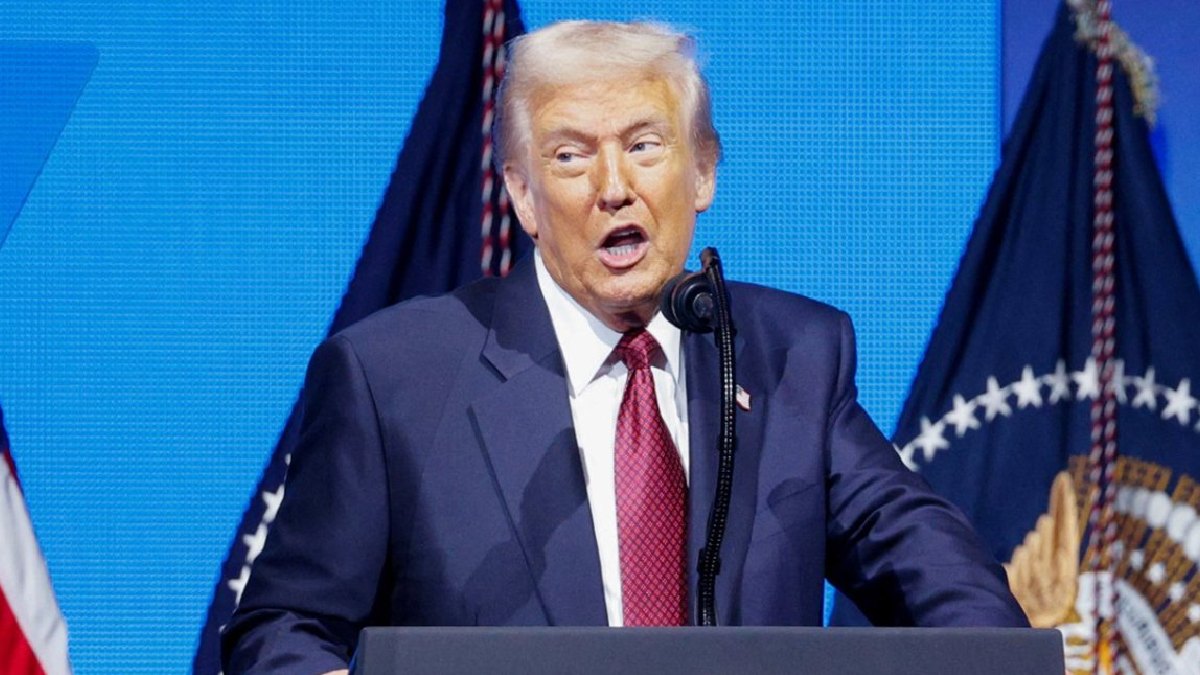
Gulf states have strong economic and security interests to maintain regional stability, diplomats say. A prolonged conflict would disrupt shipping routes through the Persian Gulf, affect global oil supplies and increase geopolitical uncertainty. Gulf leaders hope to prevent another military crisis and strengthen their role as influential regional mediators.
The new news has drawn strong expressions of concern from governments around the world. For years, international leaders have called for restraint and for both Washington and Tehran to do so through dialogue rather than a war. If both sides are ready to work together, there could be a lot of new talks, the analysts say.
But the situation is still highly sensitive to experts. Negotiations between the United States and Iran have been stuck in the past with sanctions and nuclear activities and regional security concerns often in the way. The chances that the current diplomatic initiative will succeed will depend on whether both sides are willing to compromise.
But so far the postponement of military action has provided temporary relief to global markets and regional governments worried about another escalation. Investors and policymakers will closely monitor future developments as U.S.-Iran relations are going to have a big impact on oil prices, global security, and Middle East geopolitics.
Trump said the United States is prepared to defend its interests and those of its allies, but diplomacy is the best path to long-term peace and stability. What he said shows that Washington is leaving the door open for negotiations and still has to pressure Tehran to act responsibly.
As diplomatic efforts continue, the weeks are going to be crucial to see whether the new initiative can lower tensions or if the region could once again find itself at risk of a military conflict.