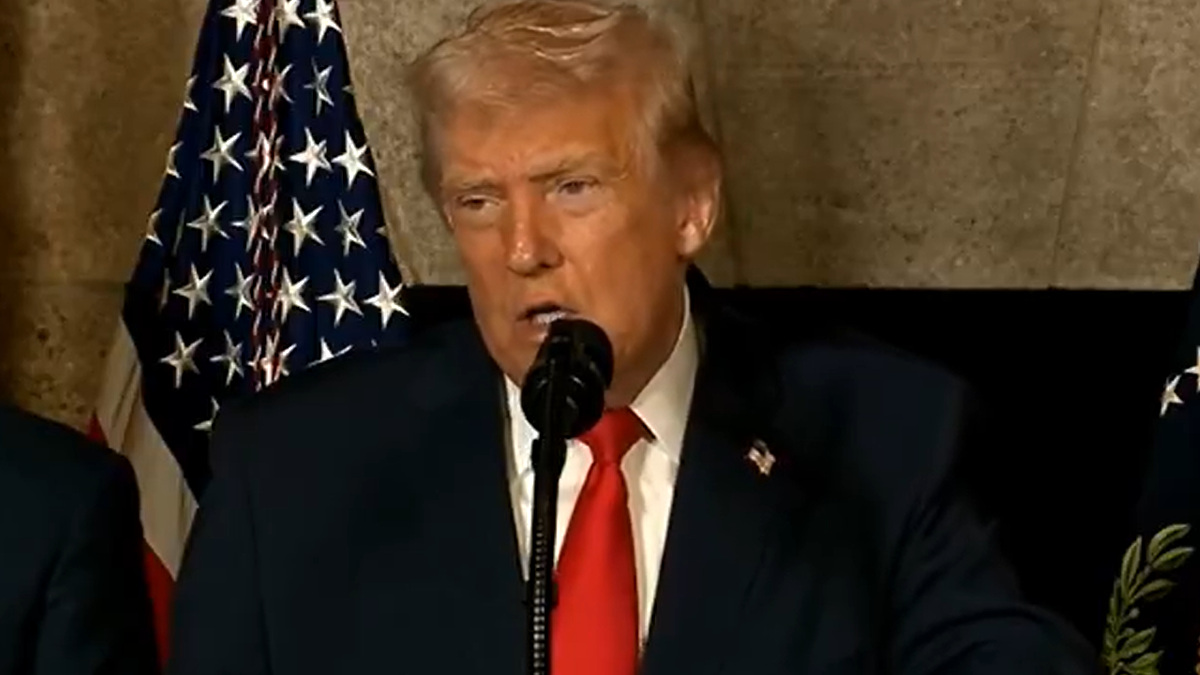
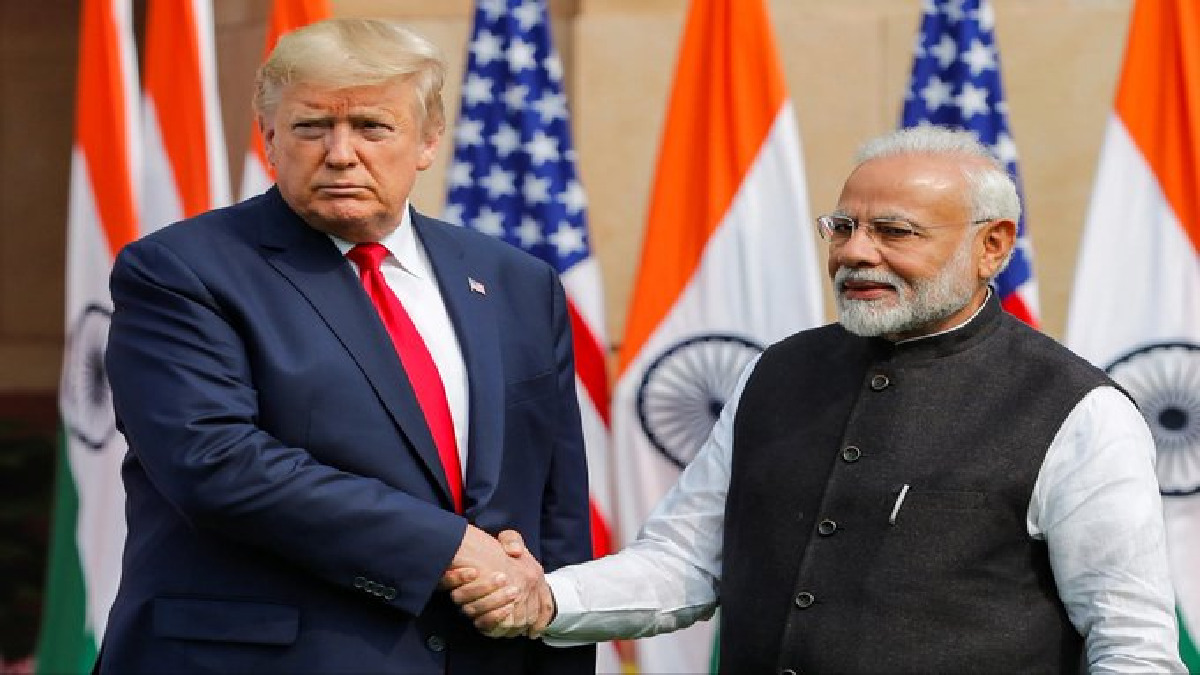
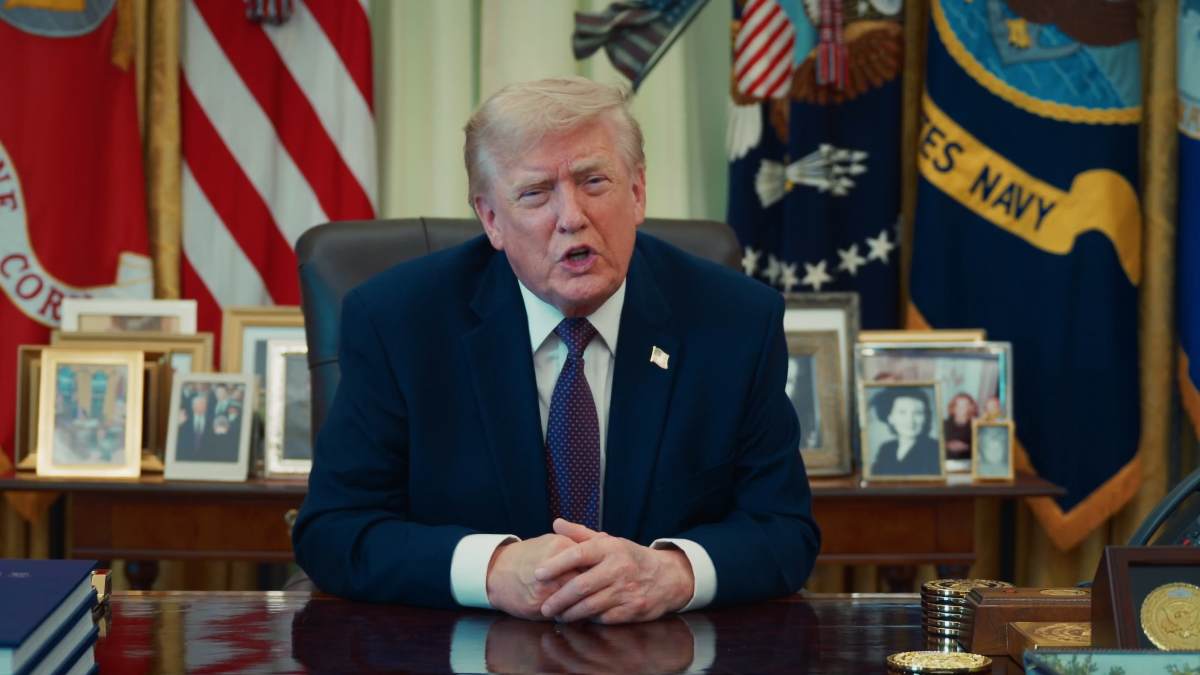
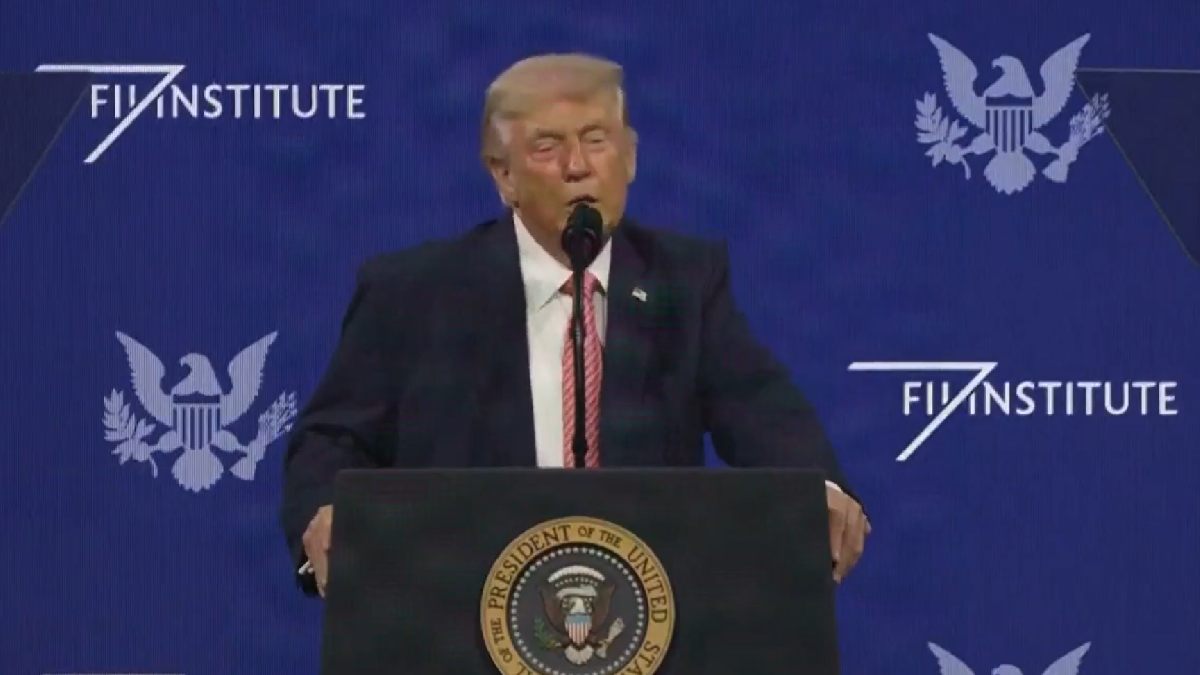
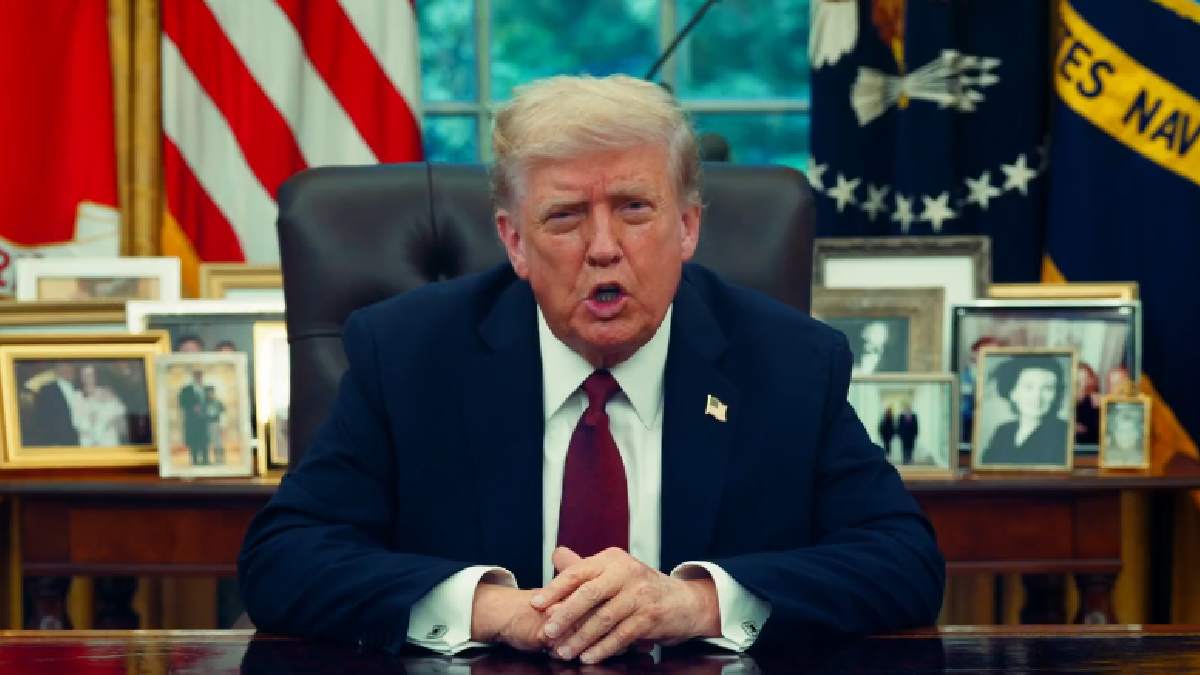
Trump has again signalled to the world that he would like to get back in touch with North Korean leader Kim Jong Un, suggesting that the dialogue between Washington and Pyongyang might be reopening after decades of stalemate. “Kim Jong Un has always treated me with great respect,” Trump said in a speech to reporters at the White House.
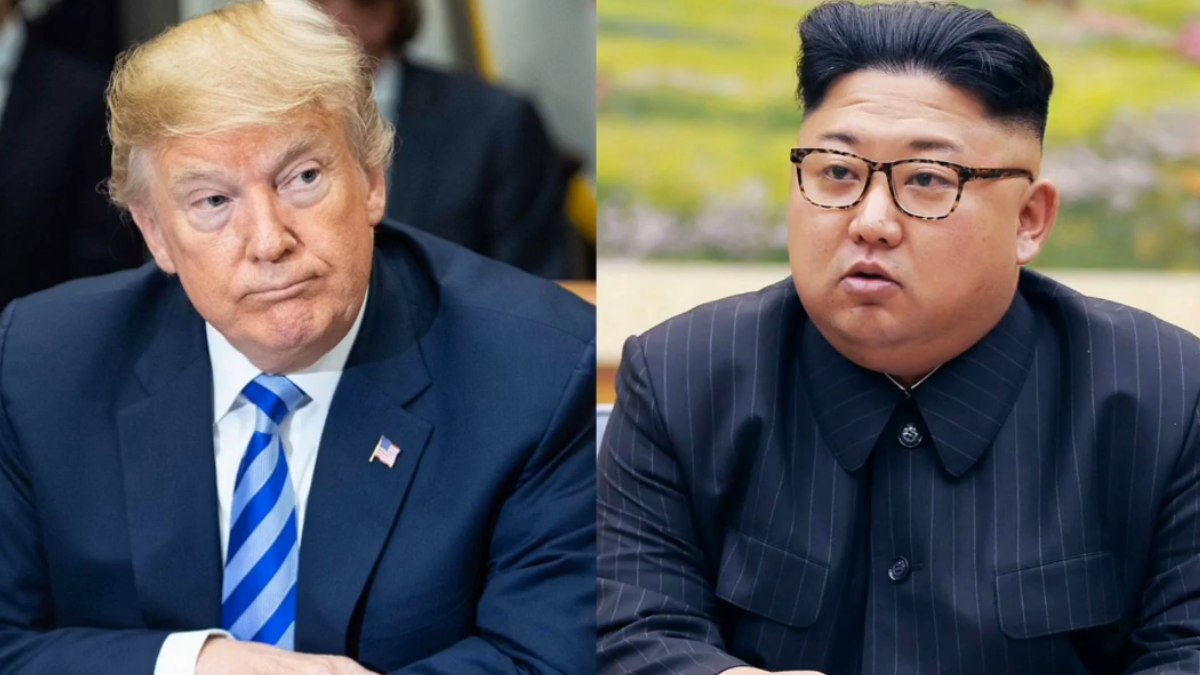
As Washington and South Korea’s joint military exercises have taken a hit, Trump has suggested that joint military exercises with the United States and South Korea may be in question, which has sent a signal to North Korea. Trump said the large-scale drills take so much money and send an excessive hostile signal. He maintained that the reduction of the exercises would help to create a more favourable atmosphere for diplomacy and enhance security in the Korean Peninsula.
Trump told reporters that Kim had responded well to his overtures, but he would not disclose more about the level of communication or when or if there might be more talks. His comments have fuelled hope that a new round of high-level negotiations might be on the way. In his first term, Trump broke with decades of diplomatic tradition by meeting Kim Jong Un in a series of historic summits (in Singapore, Vietnam, and at the Korean Demilitarised Zone) as he was elected president. But those meetings were of global interest but didn’t produce a permanent deal on North Korea’s nuclear weapons program.
Despite the collapse of negotiations in 2019, Trump has always portrayed his personal relationship with Kim as a diplomatic asset. Trump has maintained that view this week and said it was his relationship with the North Korean leader that eased tensions during his presidency. Trump called North Korea “unthreatening and respectful” during his presidency and said direct communication was the best route to stability.
A new round of talks could be in the works at a very tense moment for international relations. Since the last Trump-Kim summit, North Korea has intensified its strategic ties with Russia and has been in close relations with China. And it’s continued to develop its military capabilities and is still under heavy international sanctions for nuclear and ballistic missile programs.
South Korea has cautiously welcomed any effort to revive diplomacy on the peninsula. Seoul’s government has expressed hope that a re-engagement of the United States with North Korea will reduce the tension and even bring about wider peace talks. But critics say fewer military exercises will undermine allied readiness and will be perceived by North Korea as a strategic capitulation without corresponding commitments from Pyongyang.
Foreign policy experts are divided on the prospects for a breakthrough. Some believe that Trump’s personal connection to Kim could open new pathways for dialogue that diplomacy has so far been unable to establish in the past. But North Korea’s leadership has never stopped saying it will not give away its nuclear arsenal, and that’s why it’s not easy to make substantive progress. Yet the latest meeting between Trump and Kim has revived talk about another historic summit in the months to come.
For now, Trump’s comments are the clearest indication yet that his administration is trying to open a new diplomatic door to North Korea. Will it be successful, and will North Korea know what to do with it?