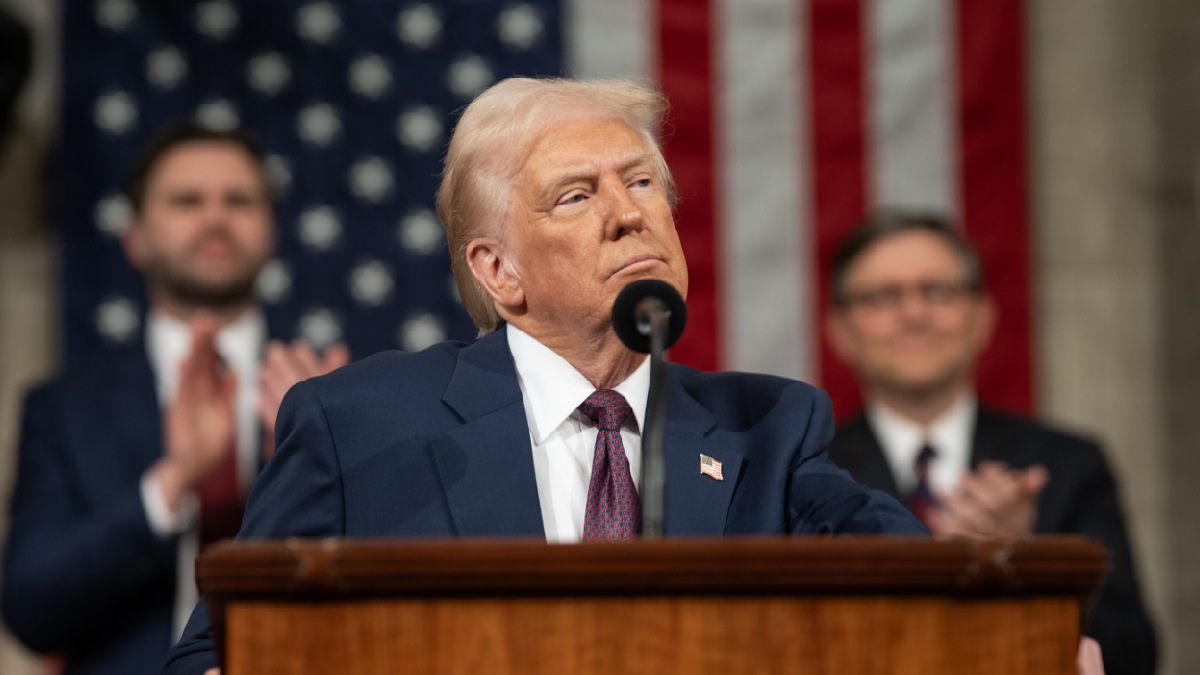
Trump has shifted focus on his Iran strategy back to economic pressure with sanctions and restrictions on Iranian oil exports and hopes that this will do what the military has not so far failed.
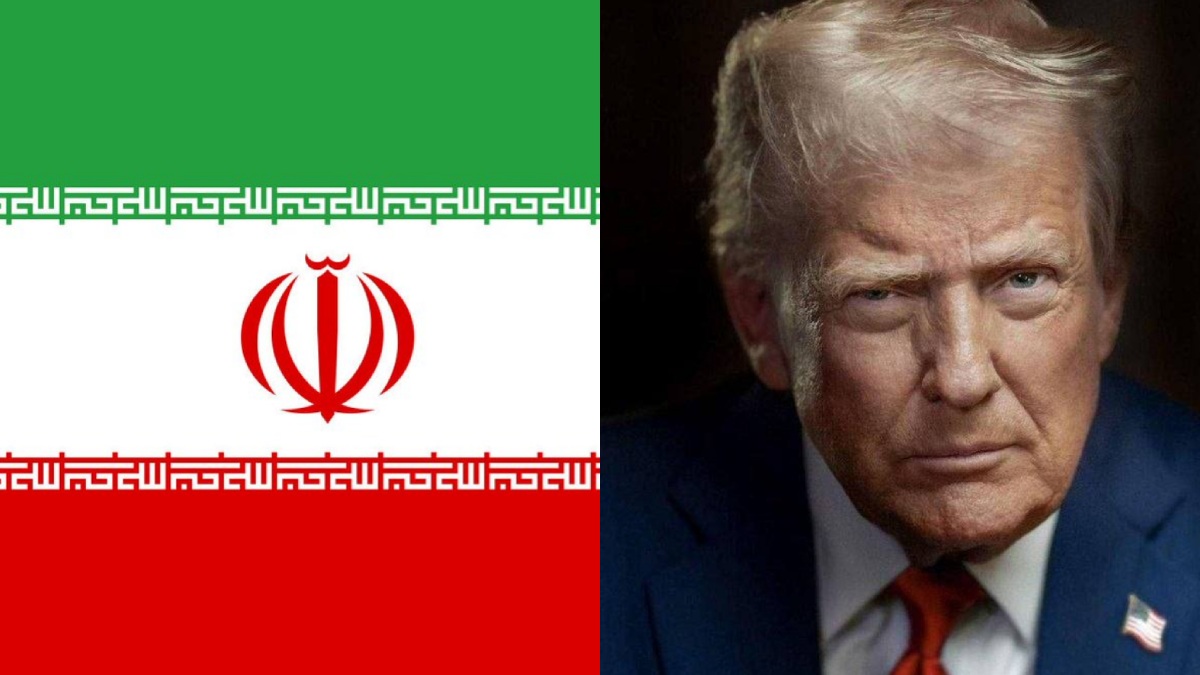
The new approach is a return to the old “maximum pressure” playbook, trying to get Tehran to pay more and at the same time not escalate from there. Trump has recently said he prefers to let the economic pressure build up as he faces increasing tensions with Iran and the Strait of Hormuz.
The strategy follows months of confrontation between the United States and Iran that has involved military action, sanctions and disruption of the strategically vital Strait of Hormuz.
Trump’s policy is to see economic pressure as weakening Iran’s current position and eventually helping Tehran to reach a deal. U.S. officials have emphasized that sanctions and a naval blockade do more economically than just airstrikes, but they say economic pressure usually takes longer to work.
The key to the strategy is Iran’s oil industry. Oil exports are a key source of revenue for the Iranian economy and hence restrictions on crude shipments are one of Washington’s most powerful economic tools. A naval blockade adds a physical enforcement element to the sanctions regime by making it more difficult for Iranian oil shipments to reach international buyers. Earlier in 2026, the U.S. blockade sharply reduced Iranian crude exports, with energy intelligence data showing that during the time when the blockade was in place the shipments had taken a hit.
The Strait of Hormuz is particularly important because it is one of the world’s most vital energy shipping chokepoints. There are consequences for shipping trade through the waterway far beyond Iran and the United States - for oil supplies, shipping costs and energy markets globally. Commercial traffic through the Strait has been down considerably during the confrontation, further adding to the uncertainty of the international energy market.
Trump has also recently claimed that the United States has “total control” over the Strait of Hormuz and described the American naval presence there in very strong terms. The comments underscore Washington’s drive to use control of the waterway as part of its wider pressure campaign against Tehran. But Iran has rejected key U.S. demands and the future of the strait and the wider conflict is uncertain.
The new economic strategy is not entirely new. Trump’s administration has previously called “maximum pressure” a policy to deny Iran access to resources that Washington believes support Iran’s nuclear programme, missile capabilities and regional activities. The broader policy has included financial sanctions, restrictions on oil transactions and attempts to target networks that help Iran get resources.
What is different now is the context in which the strategy is being revived. Economic pressure is returning after military action failed to produce such a decisive political settlement. The administration is betting that financial and commercial sanctions can slowly put more pressure on Iran without a major military escalation.
But that calculation is not a sure thing because Iran has lived under heavy international sanctions for years and has developed mechanisms to cope with economic restrictions. A U.S. intelligence report published earlier in the year concluded that Iran could withstand a blockade for months before suffering more severe economic hardship. Such assessments highlight why economic pressure can take a long time to translate into political concessions.
The impact on everyday Iranians is another big issue. Sanctions and restrictions on trade can hurt economic growth, limit access to foreign currency and add pressure on households. Washington’s aim is to pressure Iran’s leadership but economic restrictions can also impact consumers and businesses. That poses a difficult policy question - whether greater hardships will drive political compromise or will strengthen the resistance to outside pressure.
Iran’s response is likely to be at the heart of the next phase of the confrontation. Tehran has shown little sign of willingness to accommodate all of Washington’s demands and Iranian officials have blamed the United States for the breakdown of previous diplomatic ties. Recent reports indicate that attempts to rekindle an interim agreement have been unable to succeed, with both sides accusing each other of breaking their agreements.
The stalled diplomacy makes the economic strategy particularly important. If negotiations remain frozen, sanctions and the naval blockade could become the main mechanisms through which Washington attempts to influence Tehran. That could lead to a prolonged period of economic and geopolitical pressure rather than a quick resolution.
The strategy also has its risks for global markets. Restrictions on Iranian oil exports can tighten energy supplies, while instability around the Strait of Hormuz can increase uncertainty for shipping companies and energy traders. Even countries that are not directly involved in the U.S.-Iran conflict can feel the effects in terms of oil prices, freight costs and broader inflationary pressures.
The challenge for the United States is to balance economic pressure and the risk of further escalation. The longer a blockade or a confrontation at sea might last, the more opportunities there could be for incidents that might intensify tensions. But if the strategy is not working and it is not giving any concessions, it could be viewed as a failure.
So Trump’s approach is a major strategic pivot. As opposed to taking it further with more military action, the administration is looking to sanctions, pressure on Iranian oil and maritime action as a way to do the work. This is an economic squeeze that Washington has long seen as a permanent force in place with the Iranian government.
The next weeks will show whether the strategy leads to the outcome that Trump wants. If Iran agrees to negotiations or gives concessions on issues like the Strait of Hormuz, nuclear activities or other disputed issues, Washington could argue that economic pressure succeeded where military action did not. And if Tehran instead absorbs the economic costs and refuses to compromise, the United States could be in for a long, drawn-out fight with uncertain consequences.
At the moment, Trump’s return to “maximum pressure” is a first step toward changing the equation without necessarily bringing in more troops. The strategy places economic sanctions, oil restrictions and maritime pressure at the heart of Washington’s Iran policy. Its ultimate success will depend on whether the economic costs become strong enough to influence Tehran’s calculations without creating a wider regional or global crisis.