U.S. President Donald Trump became embroiled in controversy in a White House meeting with Japanese Prime Minister Sanae Takaichi on March 19, 2026. In a speech about America’s military operations at the forefront of tensions in Iran, Trump spoke of Pearl Harbor, joking that “no one knows more about surprise attacks than Japan.” The remark, invoking Japan’s 1941 attack on Pearl Harbor, provoked sharply felt reactions with observers and questioning about diplomatic sensitivity.
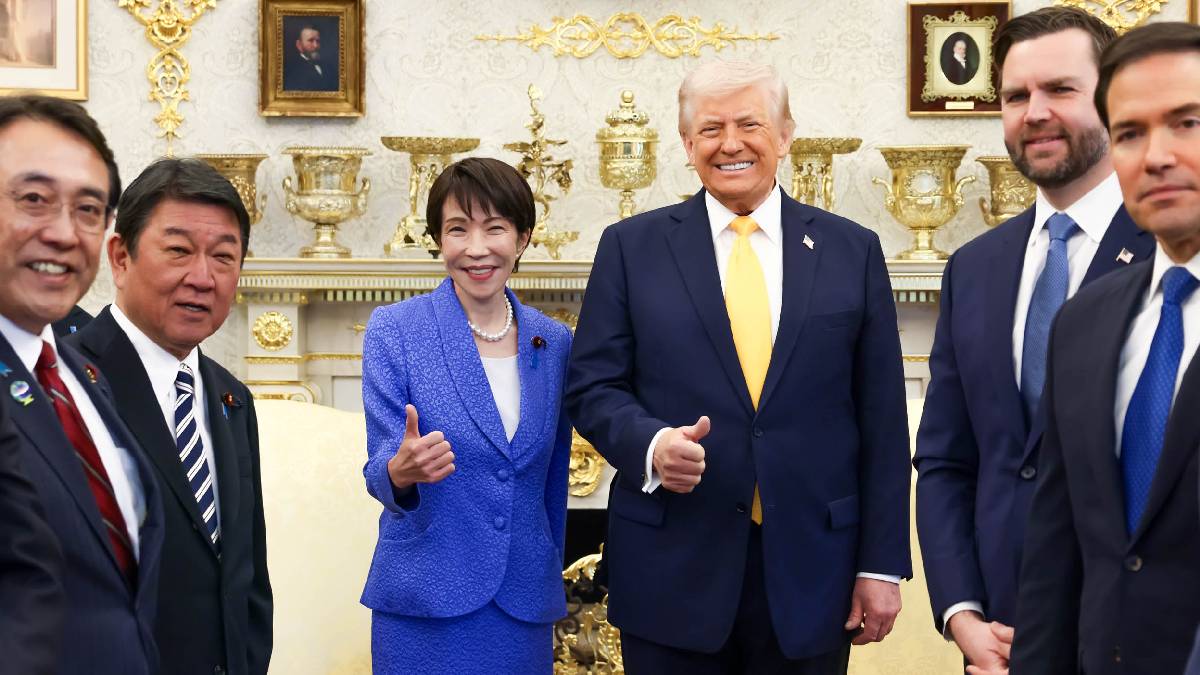
The meeting was about strengthening the relationship between the United States and Japan regarding security cooperation, and the Middle Eastern dispute going on. Instead, Trump’s statement turned focus away from policy. The reason for secrecy was fundamental, he said, and “the U.S. had not informed allies before striking Iran.” He then mentioned the Pearl Harbor reference, which was viewed as inappropriate by many in light of its painful history with the two countries.
Prime Minister Takaichi did not reply specifically to the comment. Through her interpreter, she listened and carried on with the meeting. Analysts added that her silence was a sign of diplomatic restraint but that there were jaw‑dropping and “awkward” moments. This remark quickly picked up the media attention that spread like wildfire and caused people to debate Trump’s style of communication and, in turn, its influence on world affairs.
Pearl Harbor remains one of the most consequential events in the U.S.–Japan history. The surprise attack on December 7, 1941, killed more than 2,400 Americans and directly brought the United States into World War II. For many, making light of such a tragedy at a diplomatic meeting was seen as disrespectful. Critics said the comment threatened to reopen old wounds, while supporters argued that Trump was only emphasizing the need for military surprise.
The gathering took place at a moment when the U.S. and Japan were debating cooperation amid global conflicts. Although not formally announced by the Japanese government, it has been heavily reported and debated around the world.
Trump’s Pearl Harbor joke in his meeting with Prime Minister Sanae Takaichi points to the difficulties of finding a balance between blunt speech and diplomatic sensitivity. While the Japanese leader opted not to react, the remark has ignited international discourse. It reminds the world that history is weighty, and that what gets said in high‑level meetings reverberates far beyond those words.