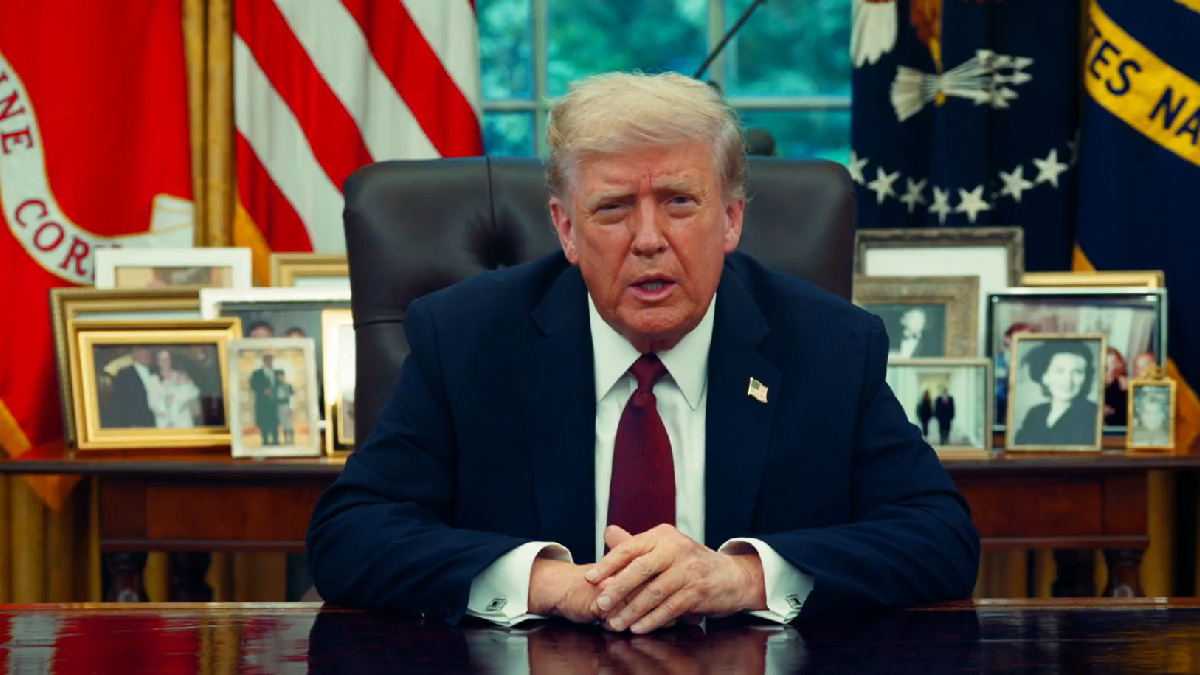
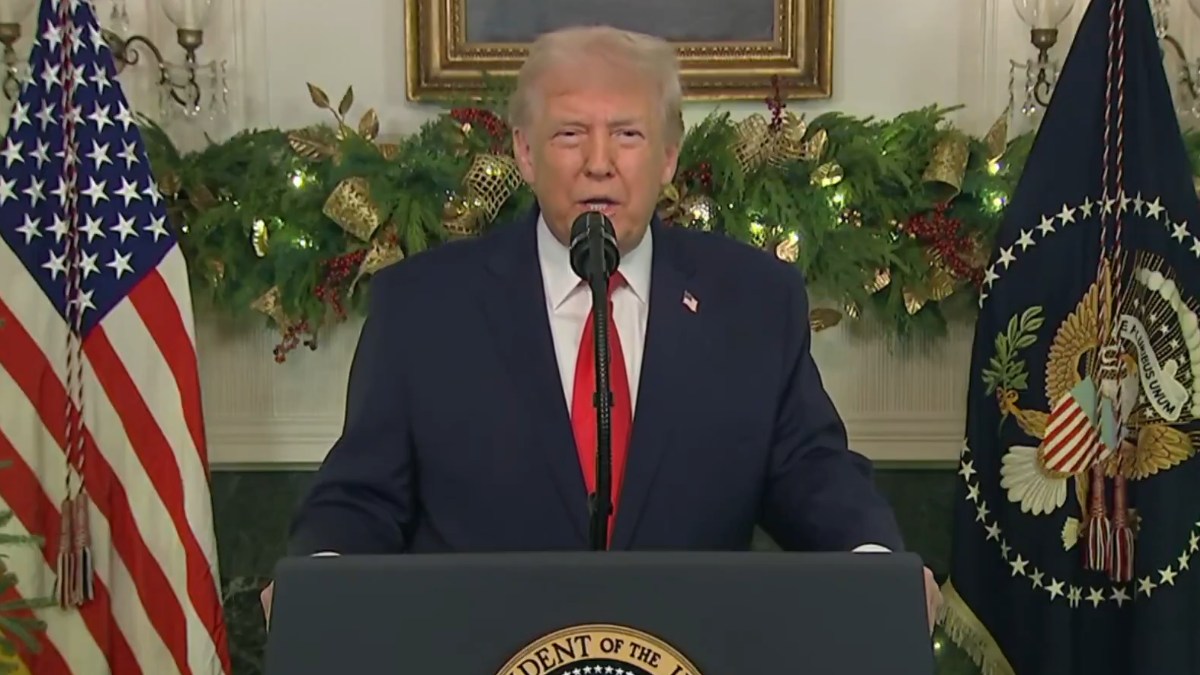
The United States' president Trump has sent a proposed civil nuclear cooperation agreement with Saudi Arabia to Congress for review, the first step in a deal that could transform energy and diplomatic relations between Washington and Riyadh and will now be a major political one.
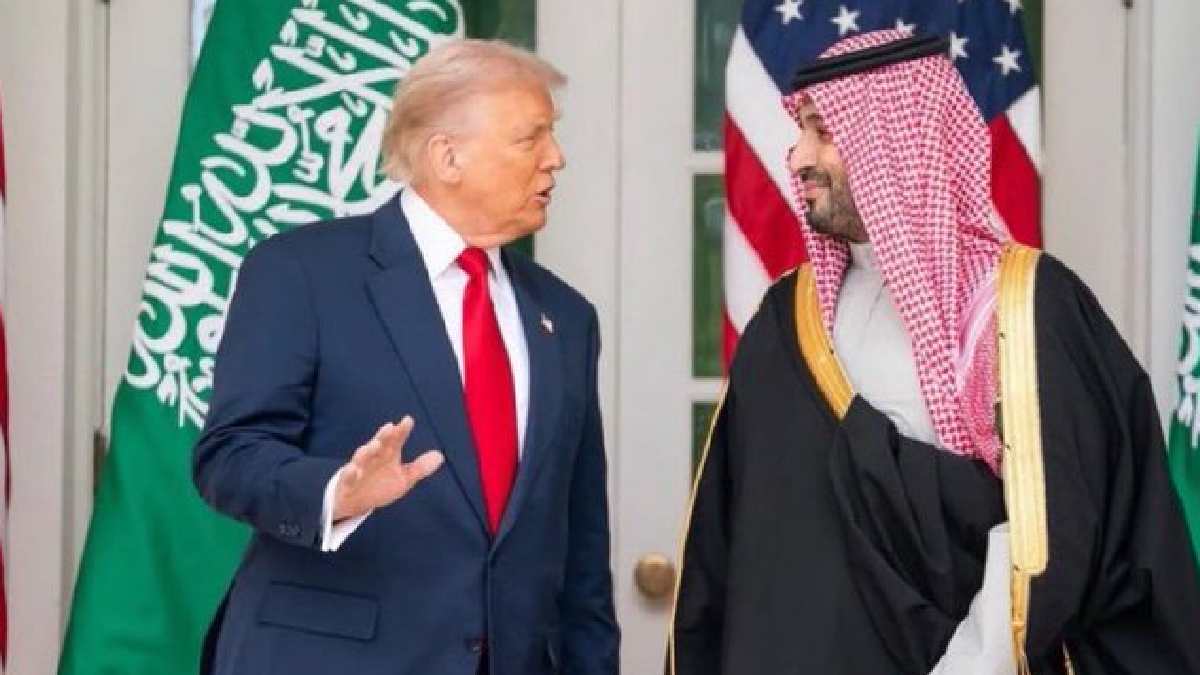
The agreement was sent to Congress on August 24, officials said, and will be studied in a 90-day review process.
The agreement is designed to support Saudi Arabia’s civilian nuclear programme and allow American companies to participate in the development of nuclear infrastructure in the kingdom. The 30-year contract could allow for US-designed AP1000 reactors and could potentially raise tens of billions of dollars in investment by the USA.
Westinghouse is expected to be among the major US companies that would benefit from the agreement.
But the agreement does have a big political problem. Trump has said the nuclear deal will not come into effect unless Saudi Arabia normalises diplomatic relations with Israel and joins the Abraham Accords.
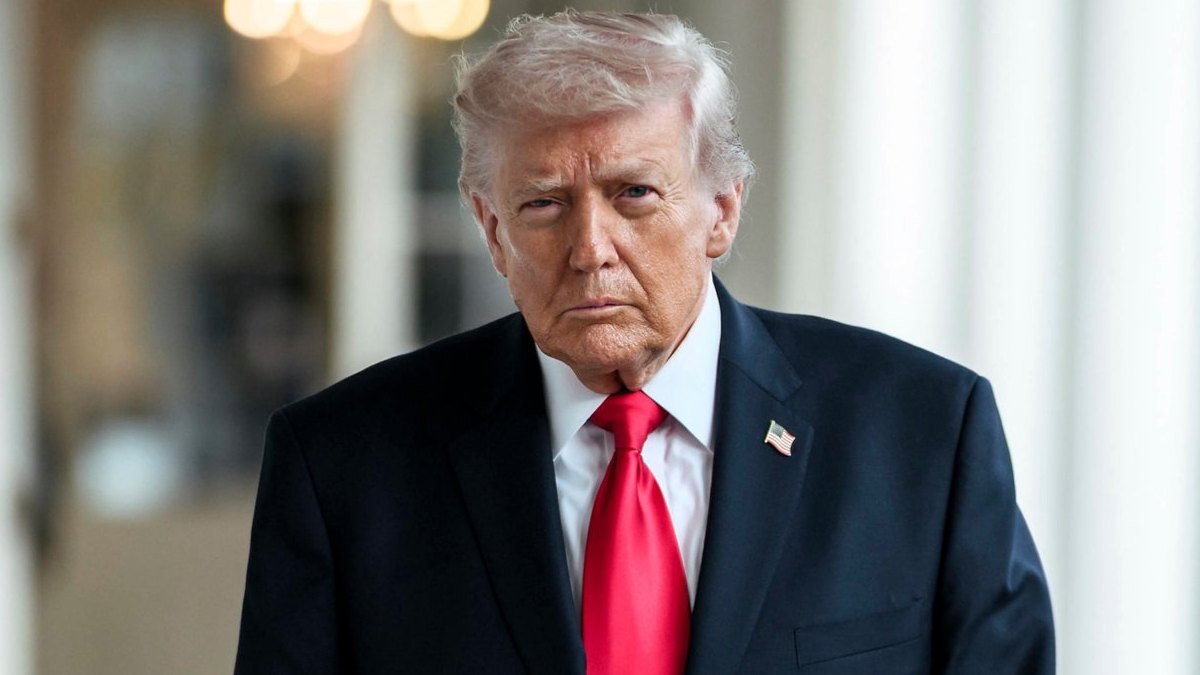
The condition has added credibility to an agreement that has been challenged for years over concern over nuclear nonproliferation.
So far Saudi Arabia has said any normalization with Israel would require significant progress towards Palestinian statehood.
That position makes Trump’s condition all the more important because Riyadh and the Israeli government are divided on the issue.
Why the Nuclear Deal Is Controversial
One of the main concerns around the agreement is Saudi Arabia’s potential to develop parts of the nuclear fuel cycle. Congress and nonproliferation groups have expressed concern about whether or not the agreement explicitly provides for no uranium enrichment or reprocessing of nuclear waste.
Both activities are legitimate civilian activities, but they can also make the case that production of materials that could be used in nuclear weapons are possible. Thus some critics have suggested that the agreement should have more safeguards.
The United Arab Emirates' nuclear deal with Washington is often cited as a stricter model because it includes commitments to limit enrichment and reprocessing.
But the Trump administration insists the Saudi agreement contains the nonproliferation protections required under US law. The agreement’s full contents are classified, so congressional scrutiny is especially important.
What Happens Next
As of now, Congress has 90 days to review the agreement. Lawmakers can object by writing a joint resolution. If Congress does not block the agreement during the period, it would be implemented under the US Atomic Energy Act.
Congress must vote to reject the agreement, and Trump would be in a position to veto it, in which case Congress would have to win by two-thirds of those votes.
The next stage is likely to be a high-stakes debate about nuclear safeguards, US and Saudi relations, Israel normalisation and overall balance of power in the Middle East.
For Trump, the agreement is an energy and diplomatic enterprise. For Saudi Arabia, access to advanced civilian nuclear technology could serve to fuel its long-term energy ambitions.
But whether the deal actually happens will depend on Riyadh’s position on Israel as much as on Congress’s review.