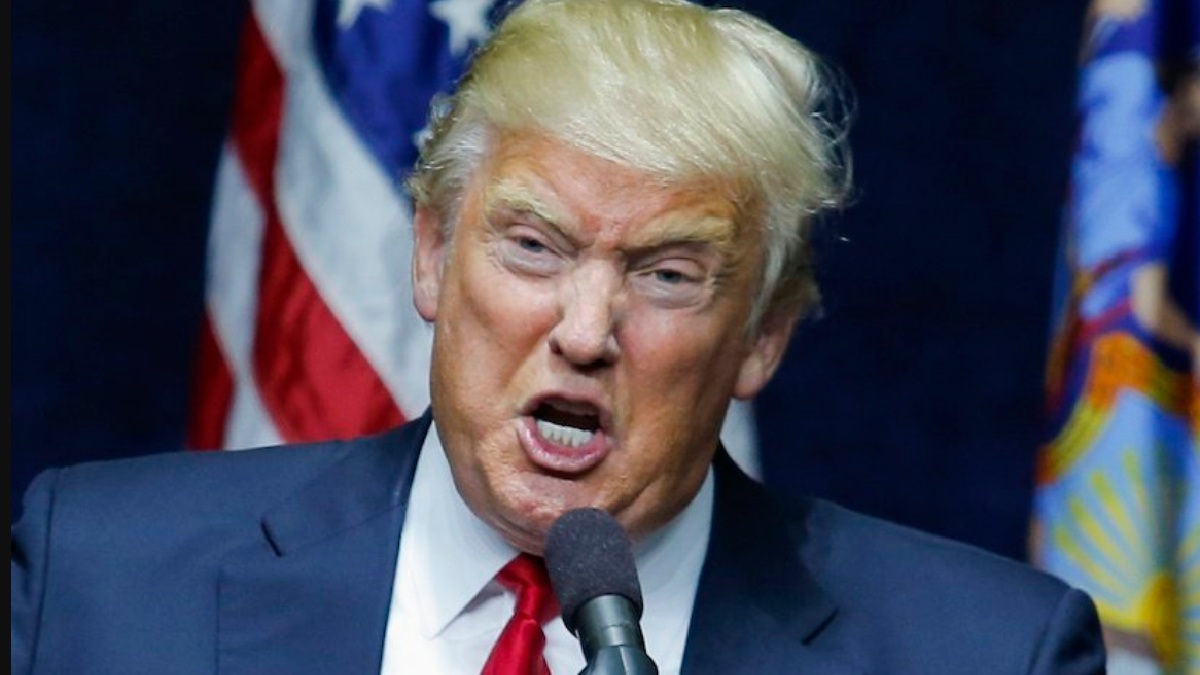
US President Donald Trump has reignited debate over energy prices and corporate profits as he declared that American oil companies made “too much money” during the recent conflict between Iran and its allies in that dispute, marking a period of global crude oil market turbulence as global geopolitical tensions are exacerbated through a global crude oil market boom.
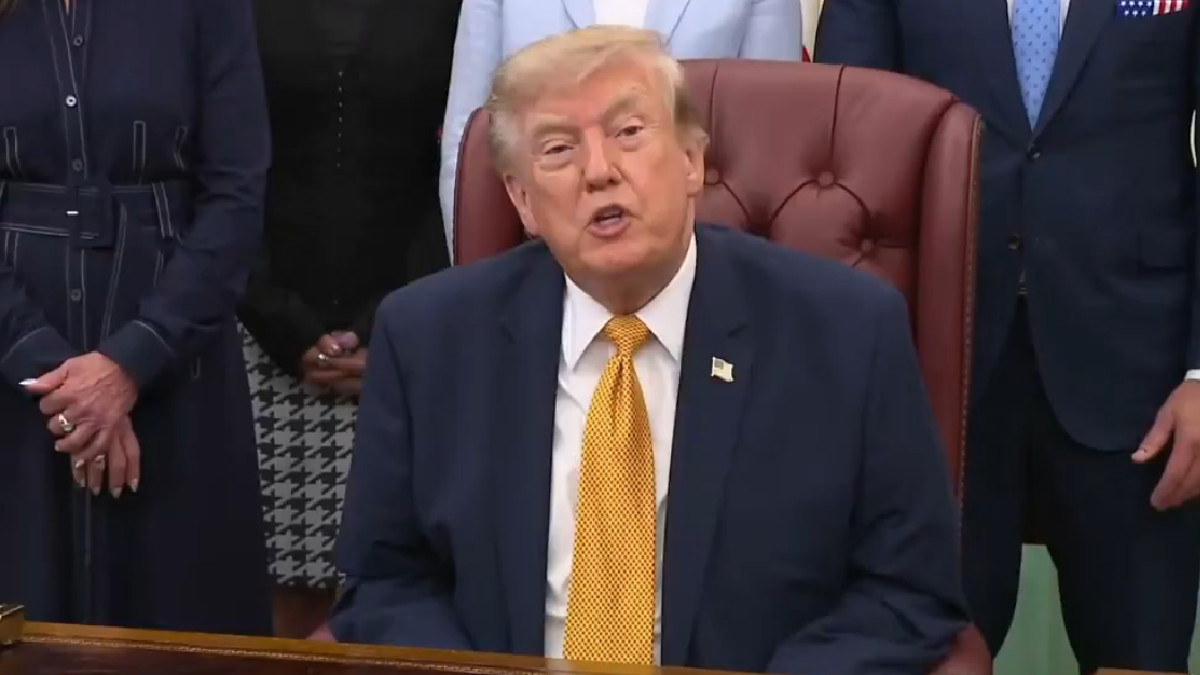
Trump’s comments come at a time when energy prices are politically sensitive issues in the United States, and are a key concern for consumers, businesses and policymakers alike. Trump has in the past been viewed as supportive of the domestic oil and gas industry (as is common among oil and gas company owners) and has also promoted the growth of U.S. energy production in recent years.
Hence, Trump said in a speech to the energy market that some producers of oil benefited from price spikes that took place when Middle East instability caused by fears over possible disruptions to global crude supplies. Iranian unrest caused traders and investors to fear that key shipping routes in the region could be disrupted, and oil prices climbed rapidly in international markets.
During periods of geopolitical uncertainty, energy prices often respond quickly as the Middle East is still one of the world’s biggest oil-producing regions. Any threat to production facilities, export terminals or major transportation routes can significantly alter supply expectations and drive up prices. And when Iran’s crisis started, there were strong increases in barrel prices so high that the energy companies were able to make money as a result of that.
Trump stressed that higher oil prices might be good for producers in the short term, but will be a great burden on consumers in the long run. Rising fuel costs affect transportation costs, household budgets and overall inflation. Higher gasoline prices and other energy-related costs in recent years have been an issue for many Americans, so energy affordability has been a large political and economic one.
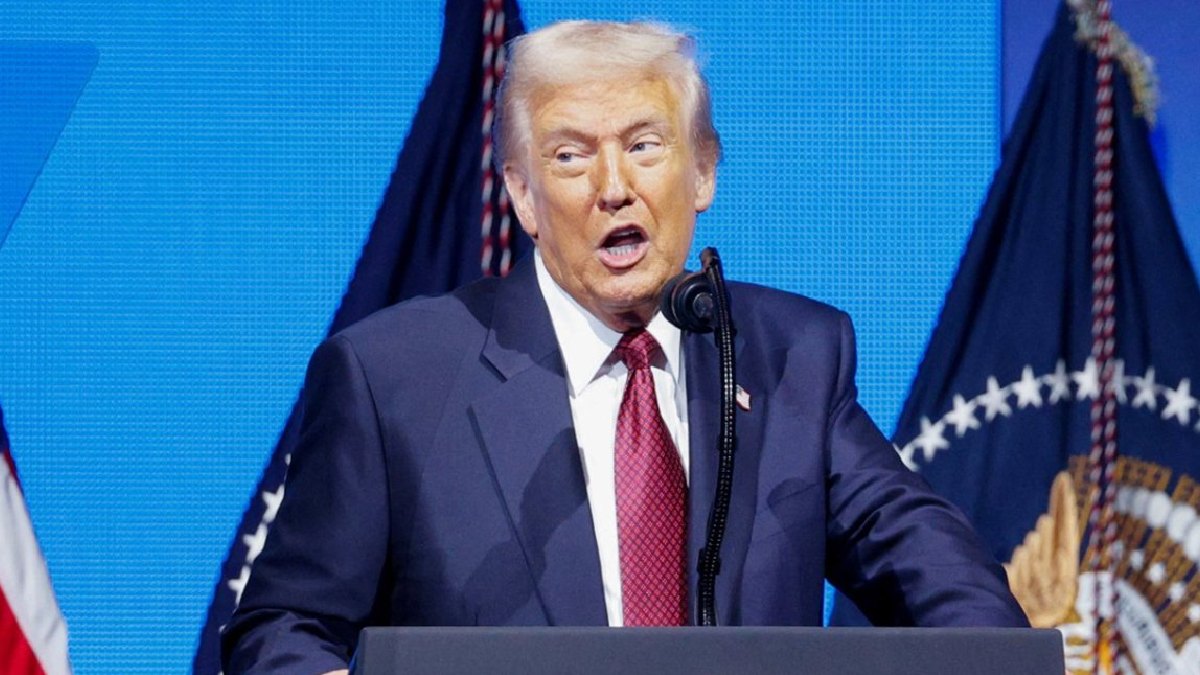
Investors say oil companies often see excellent profit growth when oil prices are rising, as production costs are not always as high as market prices. Production expenses are then higher than selling prices and earnings grow. This dynamic has often led to criticism when energy market volatility occurs in times of high oil prices and to higher prices at the pump.
The remarks also exemplify the wider debate about energy security as well as consumer protection and corporate profit. Big profits, however, will drive investment in production, infrastructure and exploration to support the reliable supply of energy. But critics say that if you make the money during crises, then you are not serving the consumers.
The Iran-related tensions once again illustrated the interconnected nature of global energy markets. Even if the US increases domestic oil production, international events can still have a role in fuel prices as crude oil is traded globally. Supply concerns in one region can have ripple effects across economies worldwide.
Energy experts say future oil price movements will depend on a few factors in the Middle East and will depend on geopolitical developments, oil production decisions of big oil producers, global economic growth, and demand trends. If Iran or other regional powers are to escalate again, energy prices will remain volatile, and the market will be rattled.
Trump’s comments are likely to resonate with voters who are worried about inflation and fuel costs before any future political campaigns. Energy is the most important economic issue, so oil company profits, market regulation and consumer prices will continue to play a central role in financial circles.
The debate also adds to a bigger problem that governments are faced with: ensuring stable and affordable energy supplies while also keeping the producers motivated to invest in future production. With geopolitical uncertainties in place, the relationship between oil prices, corporate profits and consumer costs is likely to remain under scrutiny.