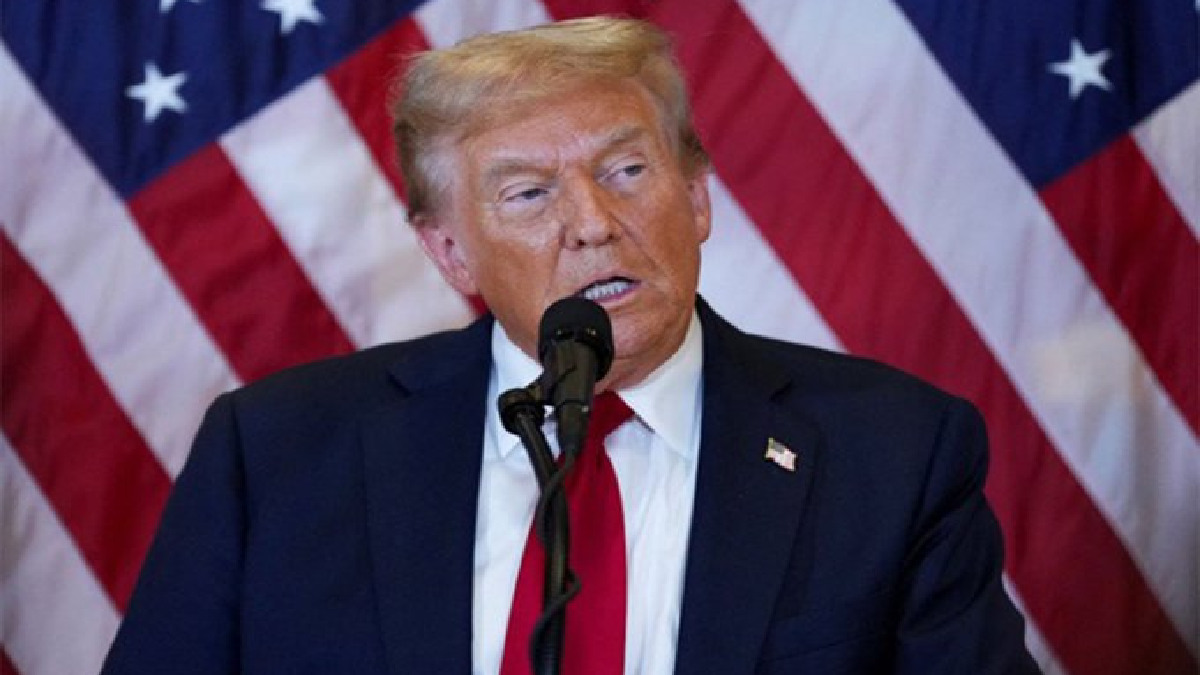
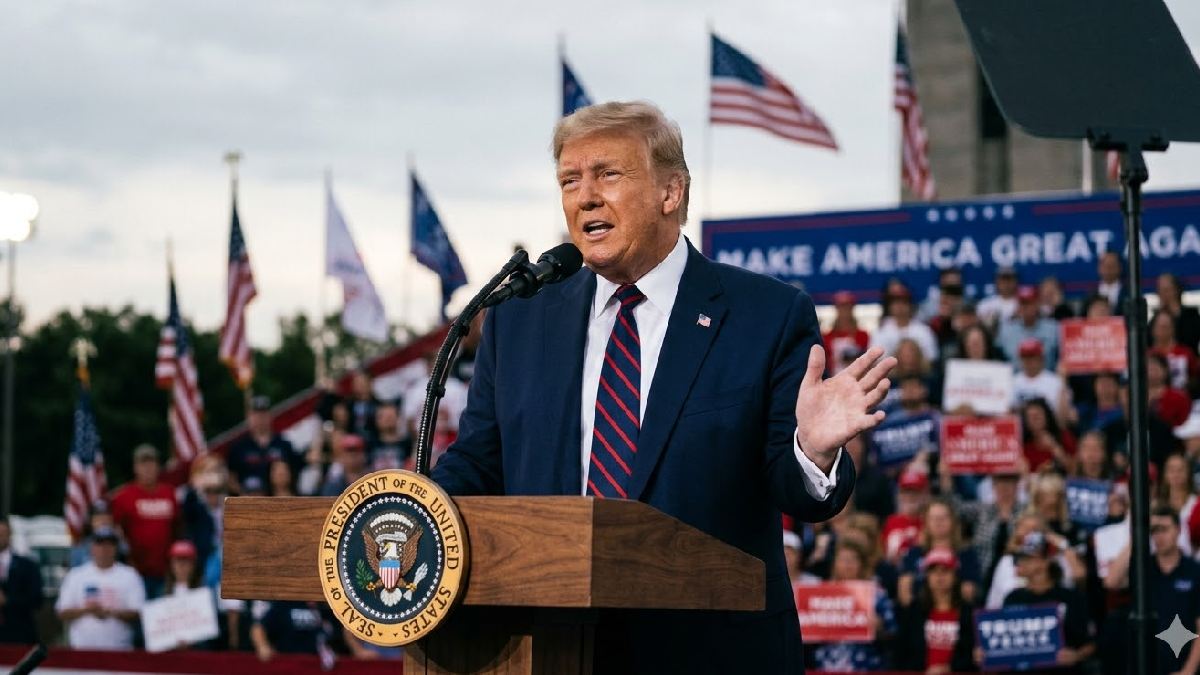
Donald Trump has ordered new double-digit tariffs on imports from at least 60 countries, including India, China and the United Kingdom, over concerns over the enforcement of bans on goods produced using forced labour, which he says is not being enforced.
And, in addition to the tariffs, the United States will impose tariffs ranging from 10 percent to 12.5 percent on imported goods from the affected countries. It is part of the Trump administration’s broader policy of reducing reliance on foreign goods and rebuilding the trade relationship after a major loss in the Supreme Court.
The White House said countries that don’t have laws prohibiting the import of goods manufactured with forced labour would face a 12.5 per cent tariff. China, the UK and Japan were among the countries cited in this category. Nations which have adopted such laws but are seen as weak in enforcement, such as India, Sri Lanka and the European Union, face a 10 per cent tariff.
Several types of imports have been excluded from the new tariffs. Products covered by the United States-Mexico-Canada Agreement, as well as oil and gas imports, will not be subject to the latest measures.
The new tariffs take effect at 12:01am on Friday, which also saw the expiry of a temporary 10 per cent import tax imposed by the Trump administration. The move followed a February Supreme Court ruling that invalidated President Trump’s “Liberation Day” tariffs introduced in April 2025.
The administration has defended the action as part of Trump’s long-standing opposition to forced labour. The United States had been prohibiting imports linked to forced labour for nearly a century and other trading partners should take similar action.
India was among a number of countries that had imposed forced-labour import bans or taken steps to strengthen import restrictions, the White House said. So the administration imposed a 10 per cent tariff rate on Indian products instead of the 12.5 per cent penalty that had been threatened.
The latest decision means the overall tariff imposed on India's imports will remain 10 percent. Indian goods had already been subject to a standard 10 per cent global surcharge, which was due to expire as the new tariff framework came into force.
The threat of trade wars between Washington and other major economies comes at a time of increasing tension. Trump administration officials are also planning more tariffs against countries which they say subsidise excess manufacturing capacity. Such policies, U.S. officials say, bring cheap products into global markets to crush American manufacturers.
The new tariffs also underscore the administration’s struggle to find other channels through which it could expand its trade policy after the Supreme Court struck down the earlier tariff programme. Now the White House is expected to draw on laws that officials believe are less vulnerable to legal challenges.
And for India, the 10 per cent tariff rate will remain an important factor in bilateral trade negotiations. But although this decision does not include the harsh penalty that Trump has threatened, exporters and companies will keep an eye on US trade actions and will be monitoring US trade policy in the long run to protect local industries and to reshape its global trade relationships on the fly.