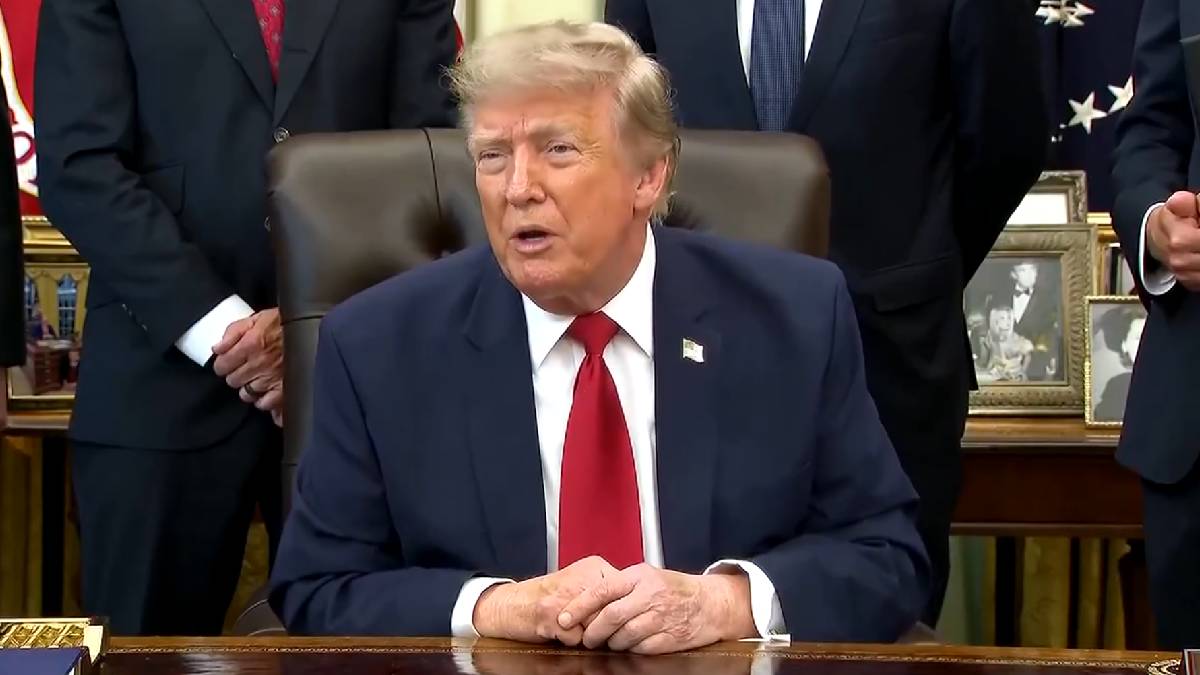
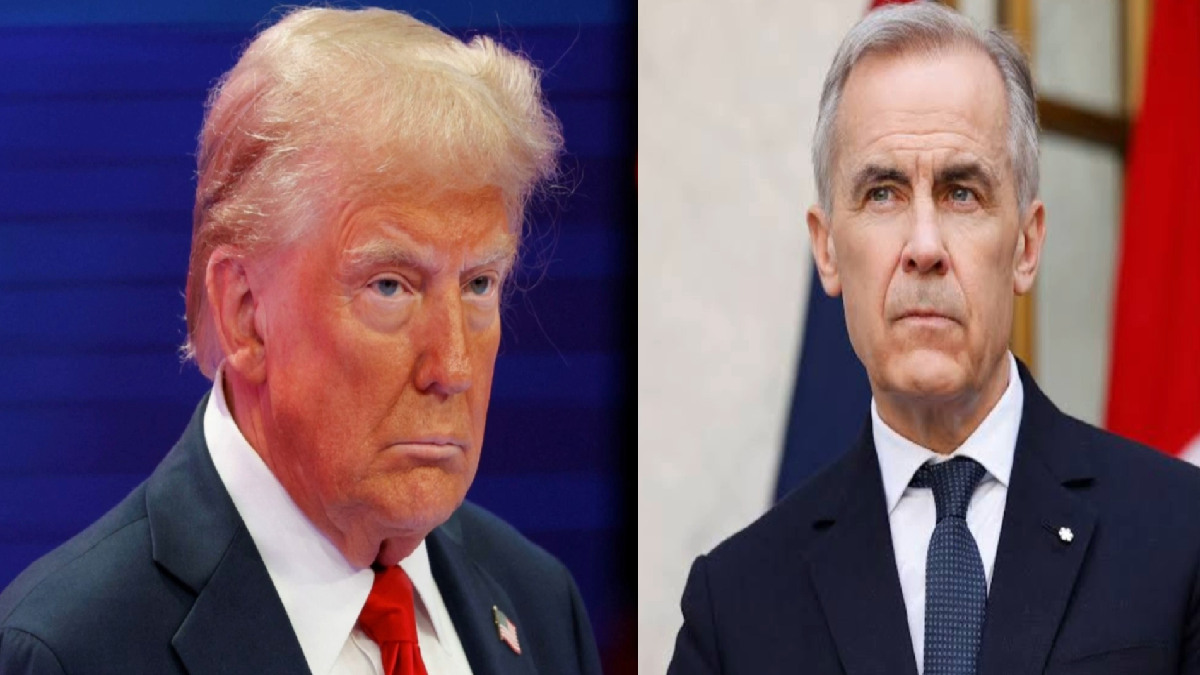
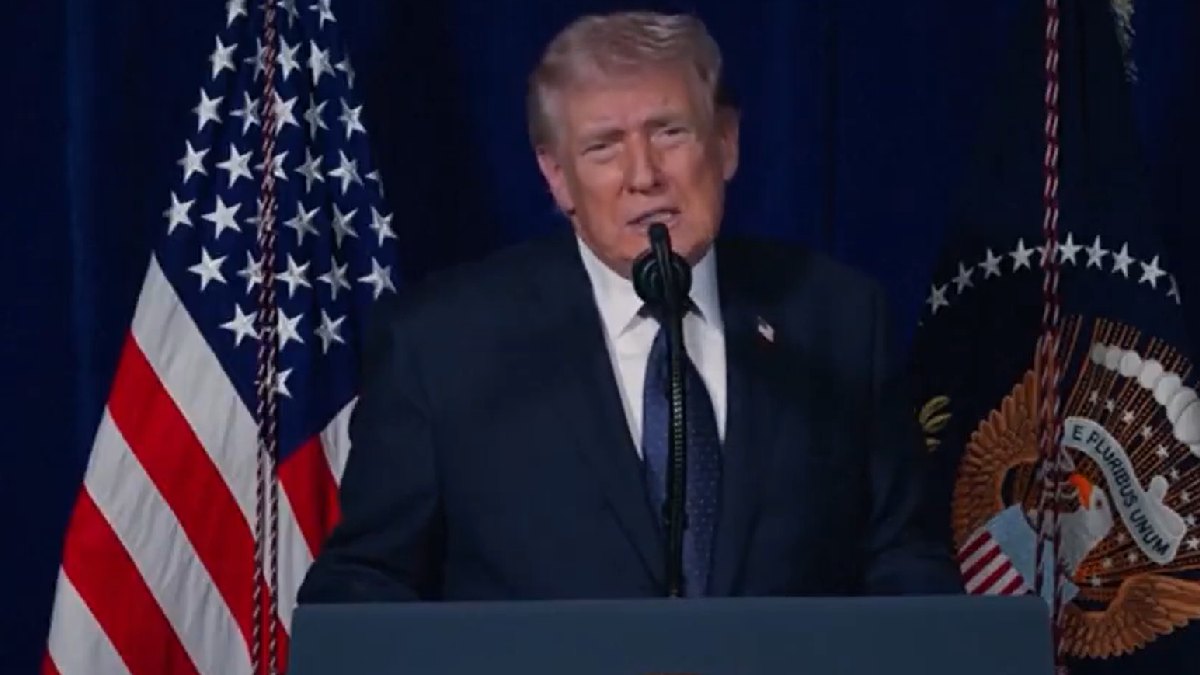
Trump was not shown any regret after Federal Reserve Chair Kevin Warsh refused to cut benchmark interest rates despite many of the president’s repeated calls for lower borrowing costs since he has been calling for lower borrowing costs since becoming president and since the moment he won the election.
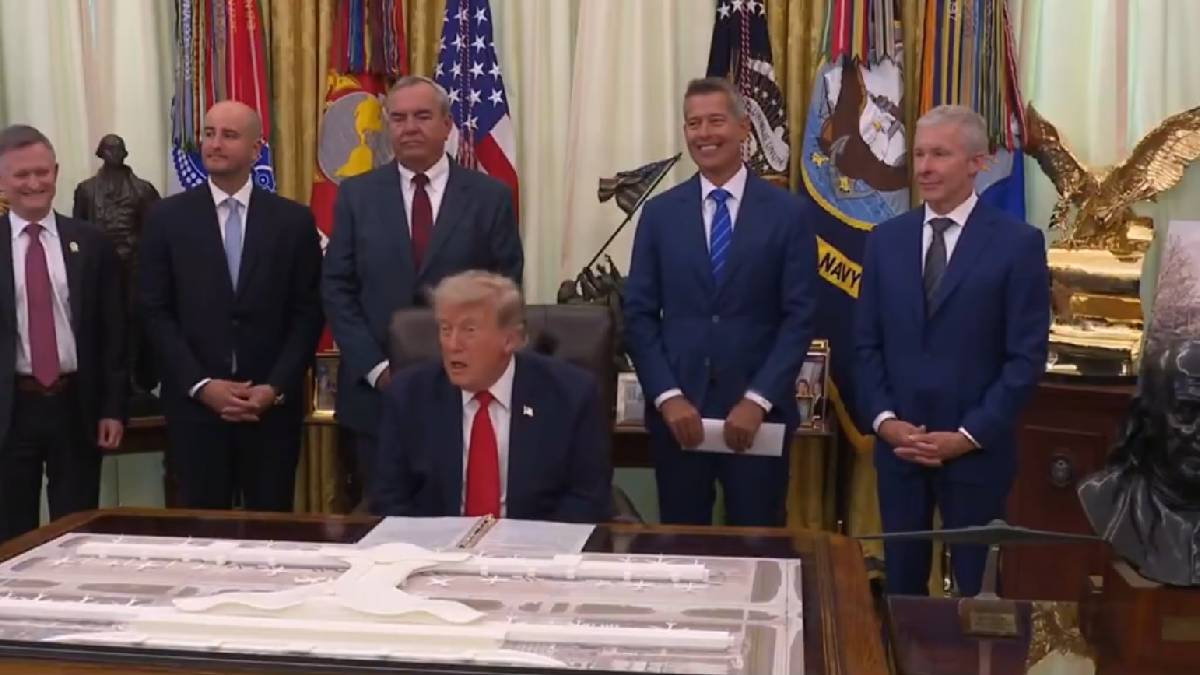
But the White House and the U.S. Central Bank were in conflict over monetary policy direction. Trump has insisted that interest rates need to be low to promote growth, investment and lower borrowing costs for businesses and consumers.
US President Donald Trump showed no regrets after his handpicked Federal Reserve chair, Kevin Warsh, neglected to cut benchmark interest rates as the president has called for since returning to the White House. pic.twitter.com/eEFth0cnTw
— News Arena India (@NewsArenaIndia) July 30, 2026
But Warsh’s decision not to implement a rate cut showed the Federal Reserve’s independent role in monetary policy. The central bank makes a decision about interest rates based on inflation, employment, economic growth and broader financial conditions rather than political pressure.
Despite the fact that the Fed chair did not satisfy his preference, Trump said he did not regret choosing Warsh. And the president’s response suggests that he will maintain his choice even as the Fed chair takes a more cautious approach to monetary easing.
The benchmark interest rate plays a critical role in the US economy. Rate changes can affect the cost of borrowing (for mortgages, auto loans, credit cards, and business loans, etc.). Lower interest rates can lower borrowing costs and could help spur economic activity, while higher rates are usually used to keep inflation in check and prevent the economy from overheating.
Trump has argued that lower rates would provide additional support to the US economy. His calls for rate cuts have been part of a broader focus on strengthening economic growth and improving financial conditions for households and businesses.
Warsh’s decision to keep rates unchanged could be due to inflation concerns and the need to keep the economy stable. Central bankers do not cut rates quickly if inflationary pressures remain a threat and the economic situation is not yet strong enough for them to do so.
The decision also made the president and the Federal Reserve more closely linked. The president appoints the Fed chair, but the central bank is supposed to act independently when making monetary policy decisions. This structure is designed to enable policymakers to be concerned with long-term economic stability, not political calculations.
Trump’s decision to publicly stand by Warsh could be seen as an attempt to avoid escalating the disagreement over interest rates. It also reflects the president’s confidence that his handpicked Fed chair has not been shaken by one policy decision.
The issue would be closely watched by investors, businesses and consumers. Interest rate decisions can affect stock prices, bond yields, currency markets and economic growth, and financial markets are typically highly responsive to signals from the Federal Reserve.
The Fed’s future policy decisions will depend on the incoming economic data and inflation and employment trends. If price pressures continue to slip and economic conditions weaken, at some point in time policymakers could consider rate cuts. On the other hand, persistent inflation or stronger-than-expected growth could prompt the central bank to keep rates on hold.
But at least for now, Trump’s answer suggests he doesn’t seem to regret appointing Warsh, even in this process, and the Federal Reserve chair has not made the president’s request for lower benchmark interest rates the central bank’s position. The episode highlights the tension between presidential expectations and the Federal Reserve’s autonomy to direct monetary policy.