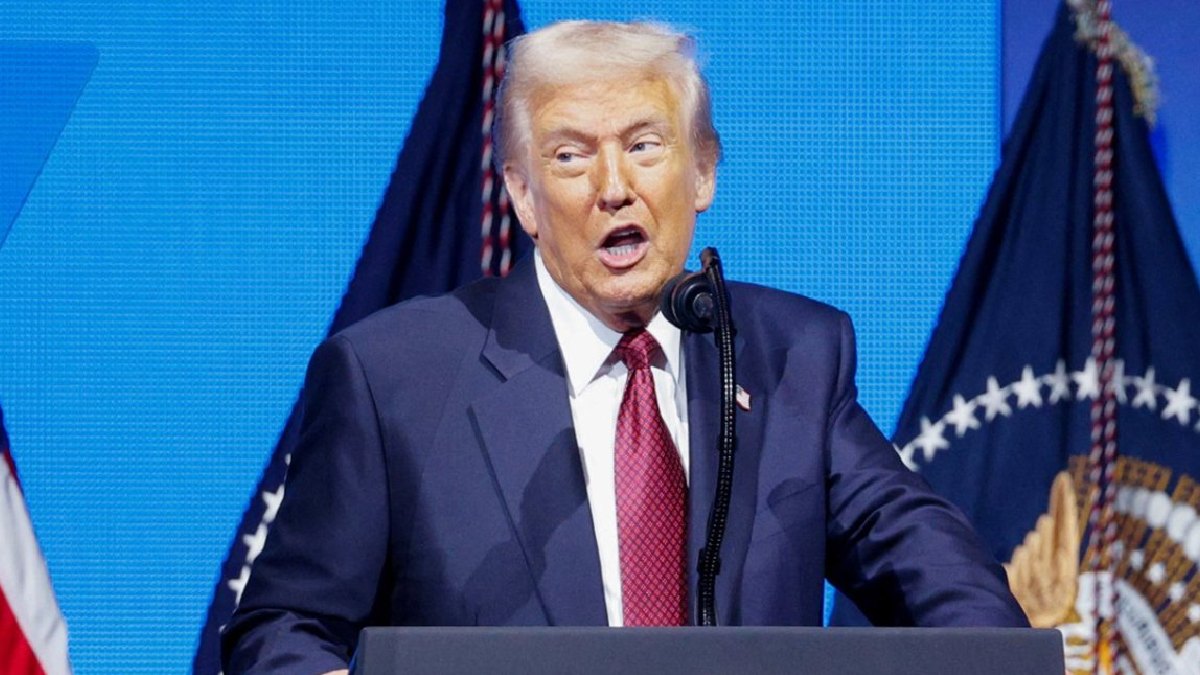
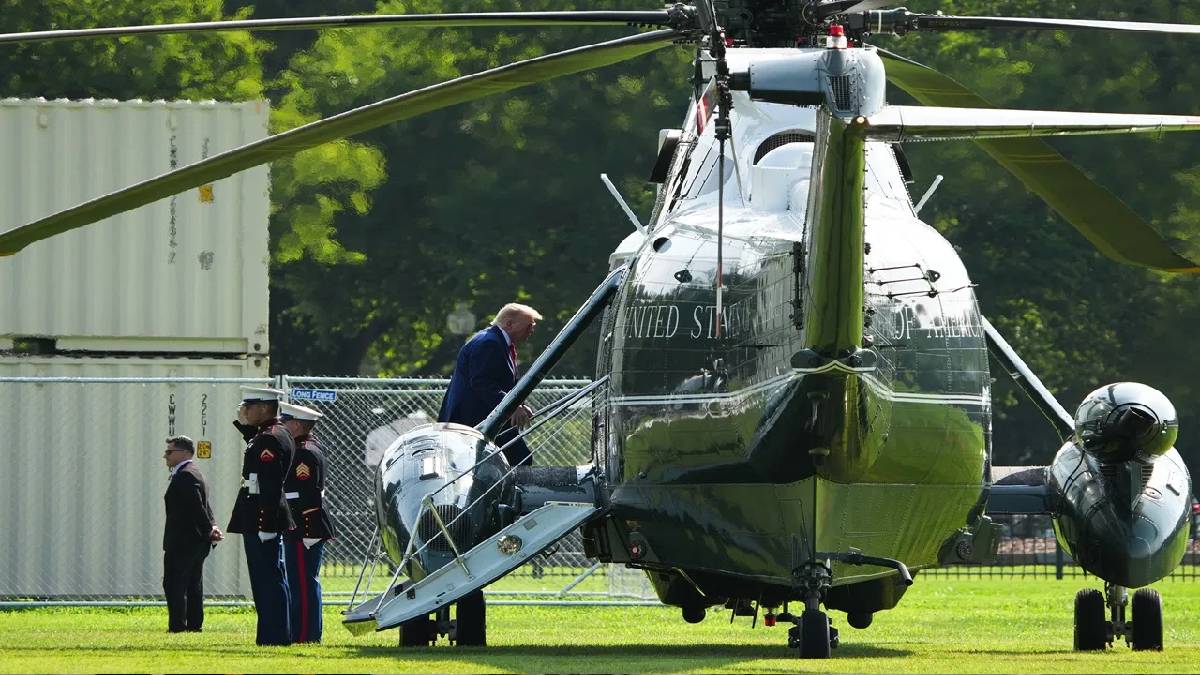
Trump has reaffirmed his long-standing stance that wealthy Gulf nations should pay more for security protection from the United States. Speaking about regional security and America’s role in the Middle East, Trump argues that Washington has spent decades protecting allies in the Gulf and should be reimbursed for its military and strategic commitments.
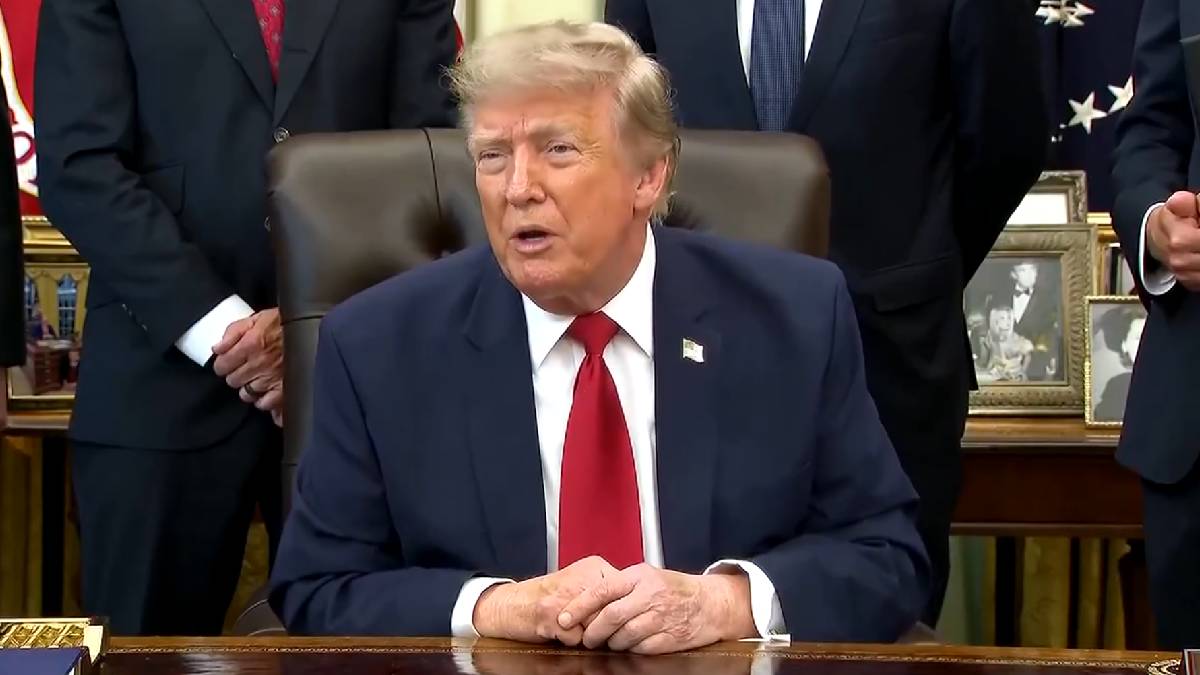
Trump said the United States has played an important role in protecting Gulf countries from regional threats by maintaining military bases, naval forces, air defense systems, and strategic partnerships throughout the Middle East. Countries which fall under this security umbrella should shoulder a greater share of the financial burden, he said.
The remarks are consistent with Trump’s overall “America First” foreign policy approach, which emphasizes reducing the cost of overseas military commitments and encouraging allies to increase their defense spending. Trump has often said that US allies should contribute more to collective security arrangements both in the past and in the present, as well as under his administration.
Trump said the United States was protecting allied Gulf countries and that these nations should reimburse the US for its security role https://t.co/5ITIfnQBMv pic.twitter.com/nCRelbeDy1
— Reuters (@Reuters) July 14, 2026
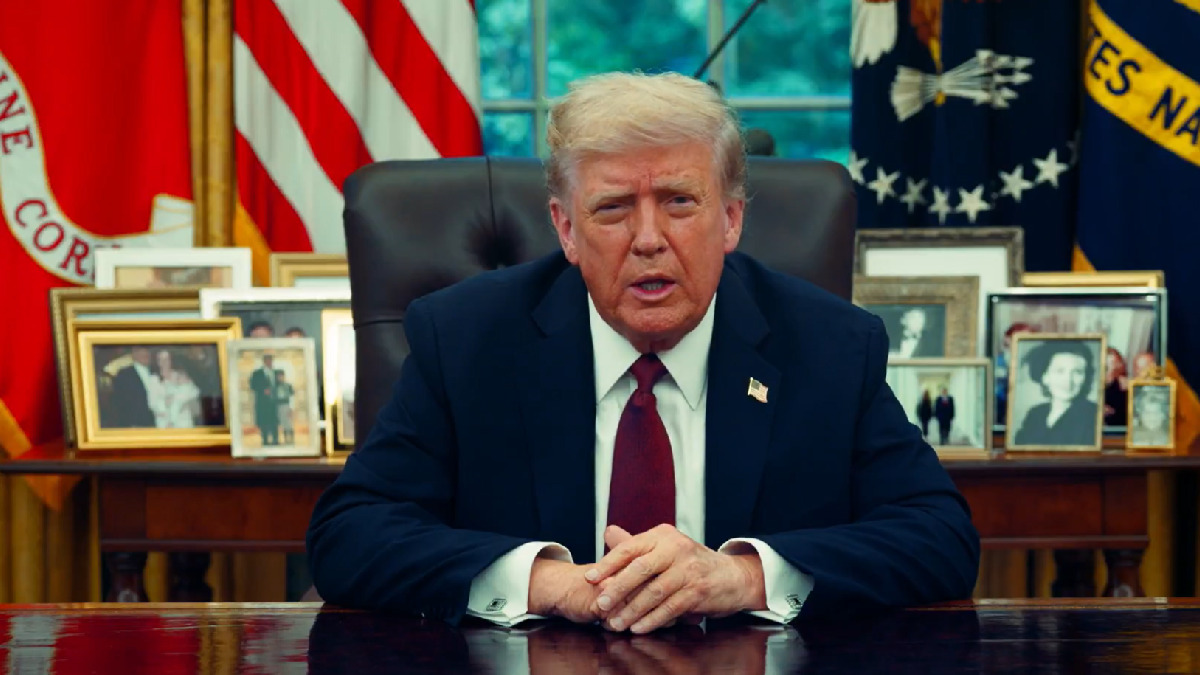
The Gulf region remains one of the most strategic areas in the world because of its vast energy wealth and its location at the center of the world's shipping routes. The U.S. has a significant military presence in several Gulf countries, providing support for maritime security, counterterrorism operations, intelligence sharing, and regional stability.
Trump claimed that the US military presence has deterred threats and kept a region important to global energy markets peaceful. Nations that benefit from that protection have extensive financial resources, he said, and they are in a better position to pay more in respect of regional security.
Several Gulf countries already have extensive defense cooperation agreements with the United States. Such partnerships include purchases of advanced military equipment, joint military exercises, intelligence cooperation, and hosting US military personnel and facilities. The region is also home to key American military installations that support operations across the Middle East.
Trump’s supporters say that burden-sharing is reasonable, given the vast defense budgets and economic strength of many Gulf states. They say that regional partners would provide more financial support and not put more pressure on the American taxpayer while maintaining strong security alliances.
Critics, however, say that to frame security relationships largely in terms of dollars may complicate diplomatic ties and ignore the strategic benefits that the United States derives from maintaining its military presence in the Gulf region. US bases in the region can serve not only Gulf security but also American interests, such as freedom of navigation, counterterrorism activities, and rapid military response capabilities, they say.
The comments come at a time when the Middle East is still facing complex geopolitical problems such as regional rivalries, maritime security issues, and the development of defense cooperation. Gulf countries are increasingly cooperating with global powers competing for influence in the region while maintaining long-standing security cooperation with Washington.
Energy security is also key to US-Gulf relations. Although the U.S. has dramatically increased its domestic energy production in recent years, the stability of Gulf energy markets impacts the global economy, oil prices, international trade, and economic growth worldwide.
Trump’s comments are likely to reignite discussion about the future of America’s overseas military commitments and how allies bear the cost of collective defense. The debate is one of many and is based on greater issues of burden-sharing in international security partnerships and how leaders of major powers balance strategic interests with domestic priorities.
As geopolitics develops, cooperation between the United States and Gulf countries will continue to be a central pillar of regional security. If Trump’s call for more financial reimbursement translates into policy changes or new defense arrangements, both sides will need to reach the same conclusion in the diplomatic talks and strategic objectives.