A White House teleprompter operator has agreed to pay more than $172,000 to settle a federal investigation into whether he had engaged in insider trading by trading on prediction-market bets on President Trump’s speeches.
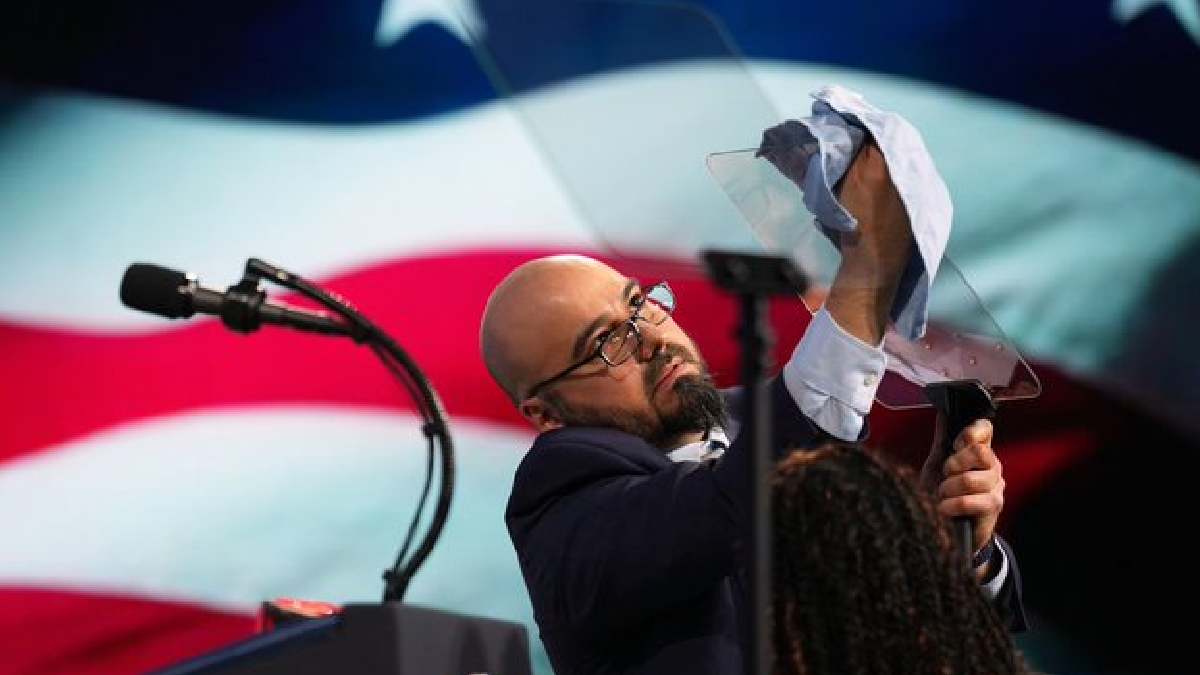
Gabriel Perez agreed to pay a $65,000 penalty to the CFTC and return $107,000 in profits that regulators said were illegal. Perez did not admit to the allegations in the settlement.
The case centers on trades Perez made on Kalshi, an online prediction-market website where users can place bets on future events and outcomes.
But Perez had access to information about Trump’s forthcoming speeches from the White House, the CFTC said.
Perez generally got access to Trump’s speeches about an hour before they were delivered, investigators said. Between December 2025 and February 2026, he used that access to make a number of sports and Trump-related wagers on Kalshi.

Some of the bets were on what Trump would say in public appearances. These “mention markets” allow people to predict when specific words or phrases will be used in speeches, earnings calls, press conferences, and so on.
Perez understood that information gathered through his White House work was confidential and should not have been shared or used for personal financial gain, the CFTC said. As part of the settlement, Perez also agreed to a three-year trading ban.
The investigation began when Kalshi observed unusual trading activity in March and reported it to federal regulators. A White House spokesman had said an employee had been placed on unpaid administrative leave but did not name the employee.
Kalshi has said it actively monitors its platform for prohibited trading and works with regulators and law enforcement. Robert DeNault, the company’s head of enforcement, said in a post on X that violations of the platform’s rules or federal law would have consequences.
The case has also reopened some questions about the dangers of prediction markets, which are growing rapidly. Users bet on sports and elections as well as public figures’ views on sites like Kalshi and Polymarket.
But regulators and lawmakers are increasingly concerned that confidential information might be an unfair advantage in these markets.
The Perez case demonstrates how sensitive the availability of advanced information is when prediction markets can involve comments or decisions by high-profile political figures.
Perez’s settlement, while it concludes the CFTC’s investigation into Perez without charges of wrongdoing, is in line with the broader discussion about insider trading rules and the growing role prediction markets are playing in the financial and political world.