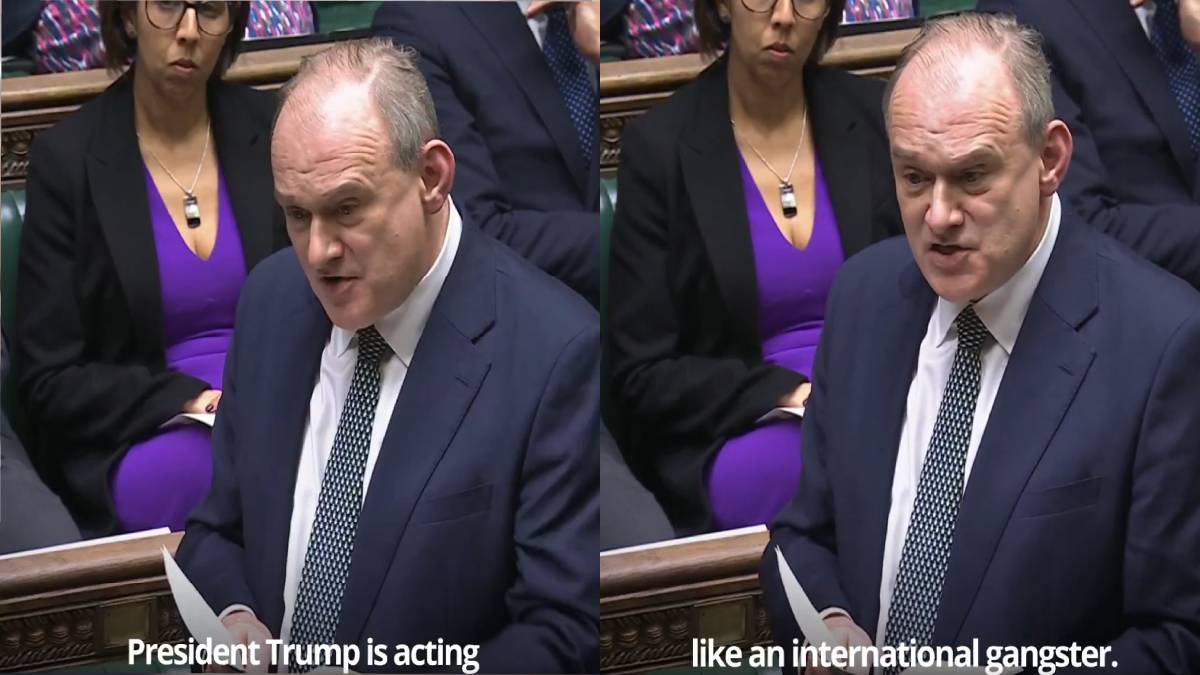
Trump Warns Iran over Strait of Hormuz close-up. Iran is angry; Trump has raised the temperature in the Middle East with direct threats and threats to Tehran and Iran. On March 22, 2026 Trump threatened to “obliterate” Iran’s power plants if the Strait of Hormuz was not reopened within 48 hours. From its very start President Trump made a statement on Truth Social, and his comments resonated in the world (the Strait of Hormuz is one of the world’s major shipping routes).
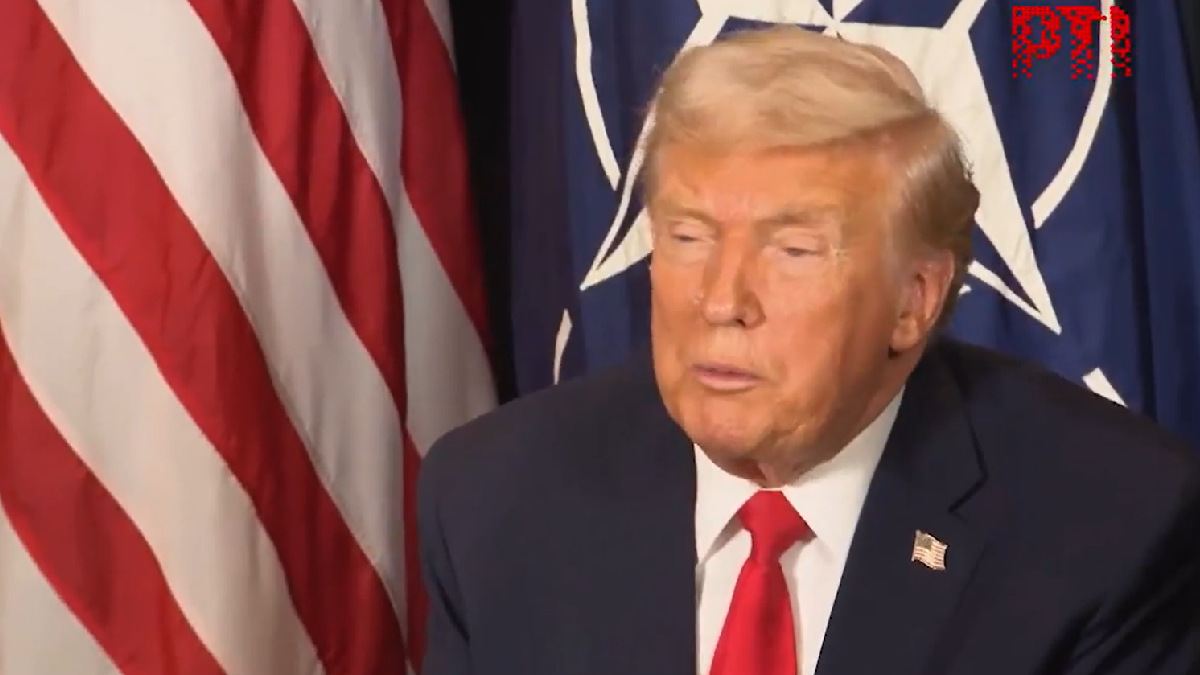
Trump’s post also pledged that unless Iran “fully opens” the Strait of Hormuz, the United States would attack Iran’s energy infrastructure, in particular its biggest power plant. In that he described it as an assault on international trade and urged swift reprisal. And the threat comes after Iran launched missile attacks toward Israel and warned against U.S. intrusion.
The Strait of Hormuz is the narrow waterway between the Persian Gulf and the Arabian Sea and, on average, 20 percent of world oil comes through it daily. The impact on global energy prices and supply chains from a disruption of that will be instantly felt. Iran is now closing that path by cutting off trade flows, and those developing in those countries in need of imports like India.
Trump’s declaration has stirred mixed reactions in the rest of the world. Supporters say strong action is needed to protect global trade and deter Iran’s aggression. Critics fear Iran’s power plants are too strategic for attack and a potentially very large war within the Middle East. Iranian officials reacted by saying they will retaliate against U.S. bases and allies (energy and desalination facilities in the neighborhood).
All heads of governments have urged restraint, saying they hope diplomatic resolve will prevent the start of a war. The United Nations has said it must keep the Strait open so as to prevent the start of nuclear war. Still markets remain volatile as traders fear consequences of a break in the system’s supply chain.
If Trump follows through on his threat, Iran’s energy infrastructure would need to be severely damaged, affecting millions of civilians, a fact that is only exacerbated by Trump's talk. If we strike back, there would be retribution and a chain reaction to create a whole lot more violence all across the region. It’s another thing for the economy. Oil prices can be even higher because of the impact on global markets and business as well as ordinary consumers.
Trump’s warning to Iran marks a dangerous turning point in the U.S.-Iran relations. The Strait of Hormuz is a vital lifeline for global energy so already there is chaos. Will Trump’s threat of attack lead to a reaction from Iran with a military strike or will Iran simply be threatened to halt it to put its hands up?