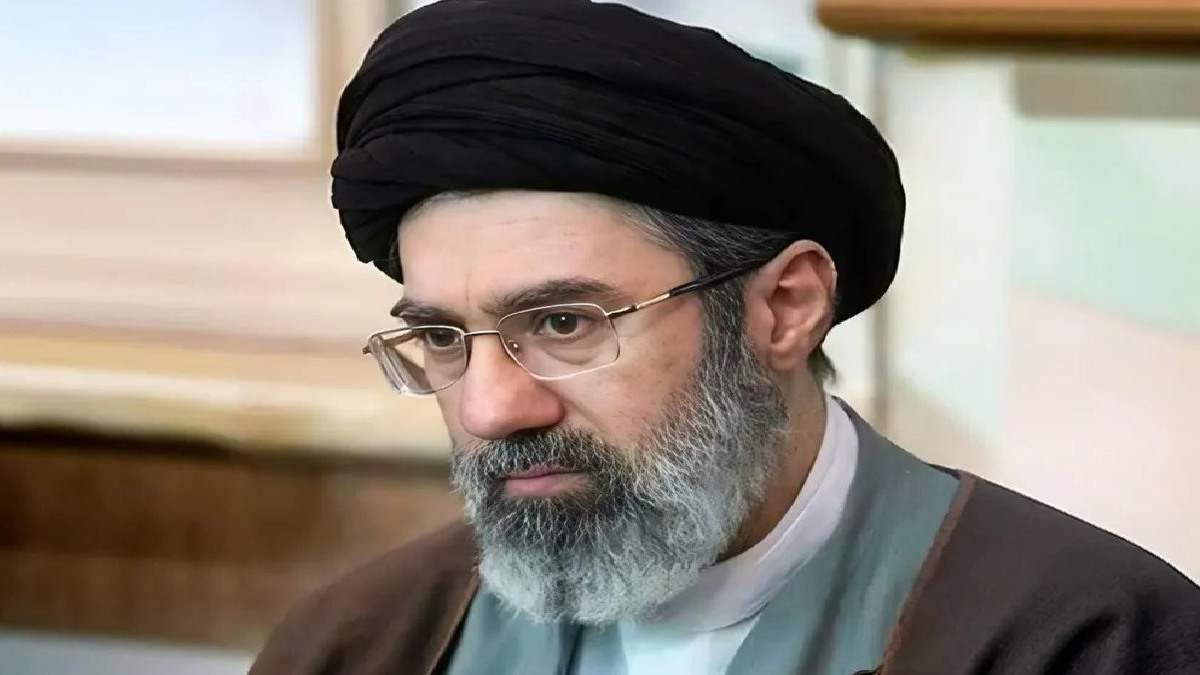
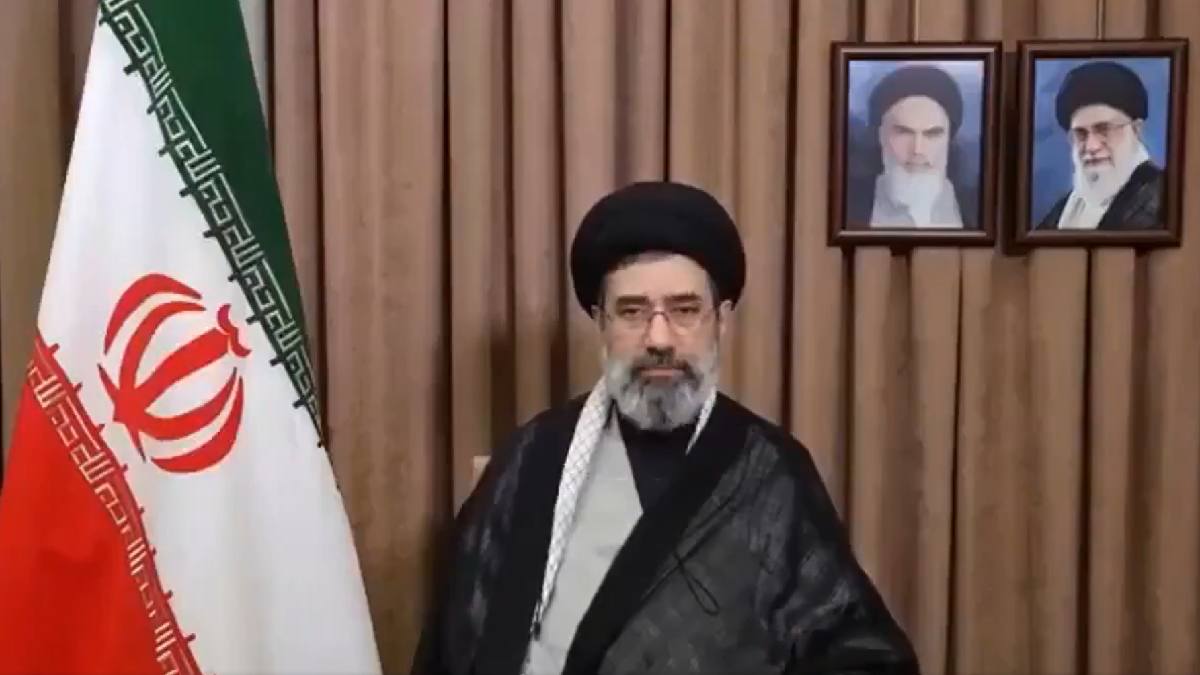
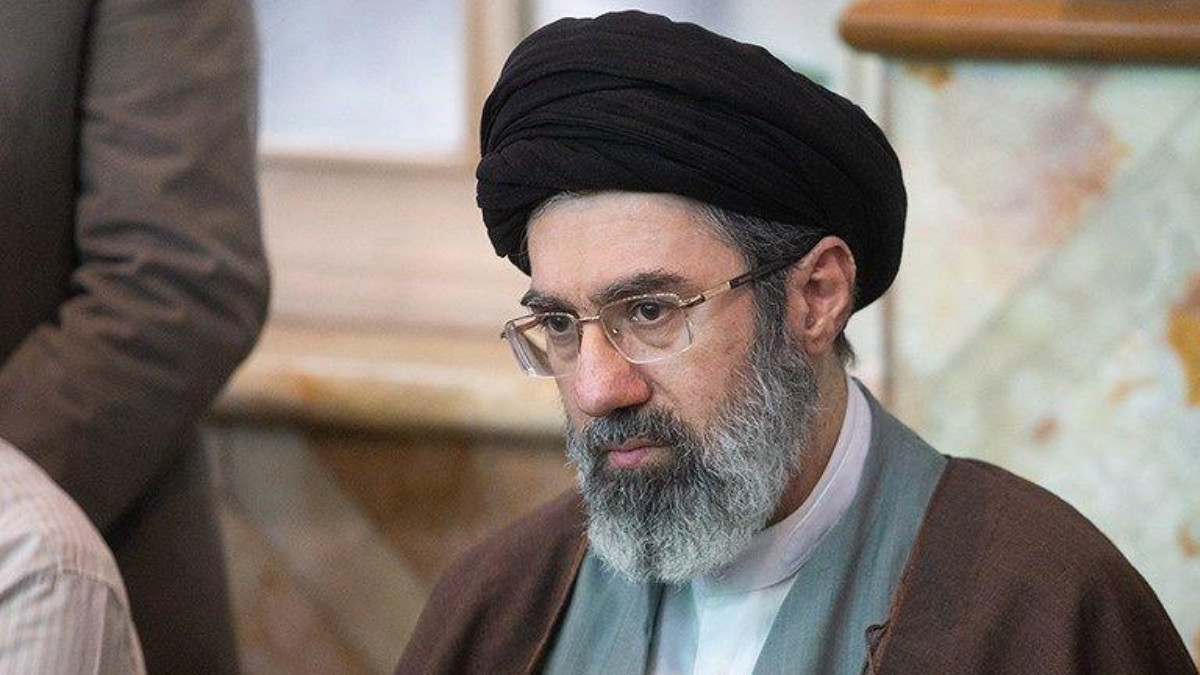
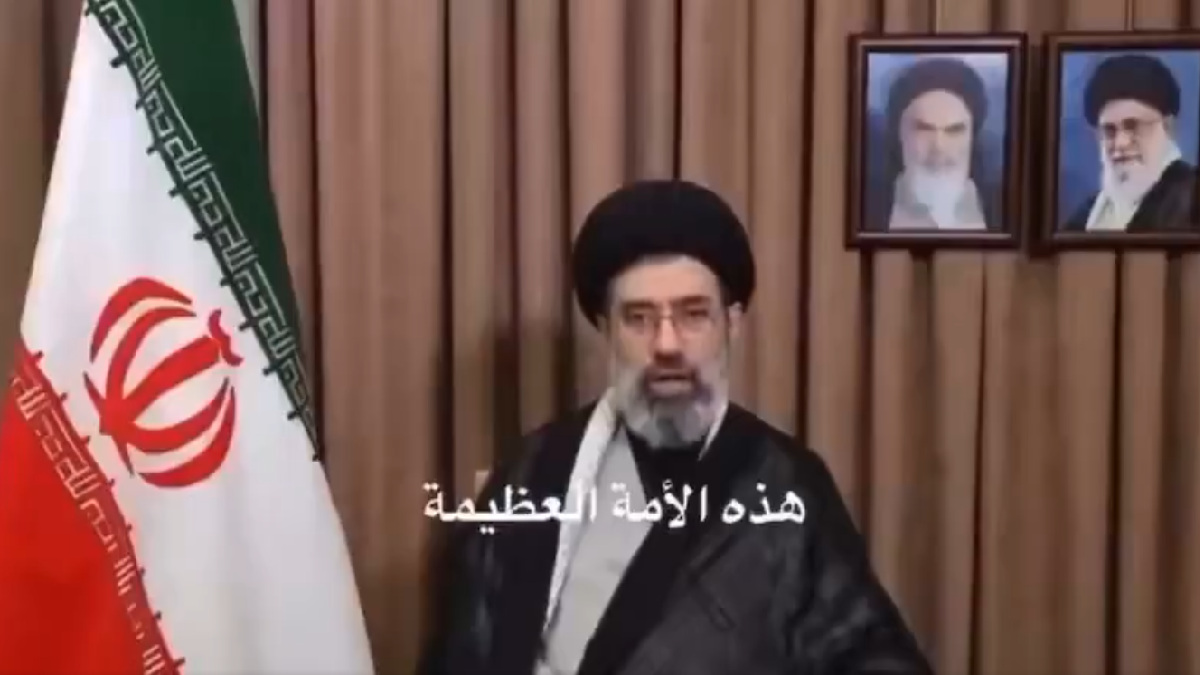
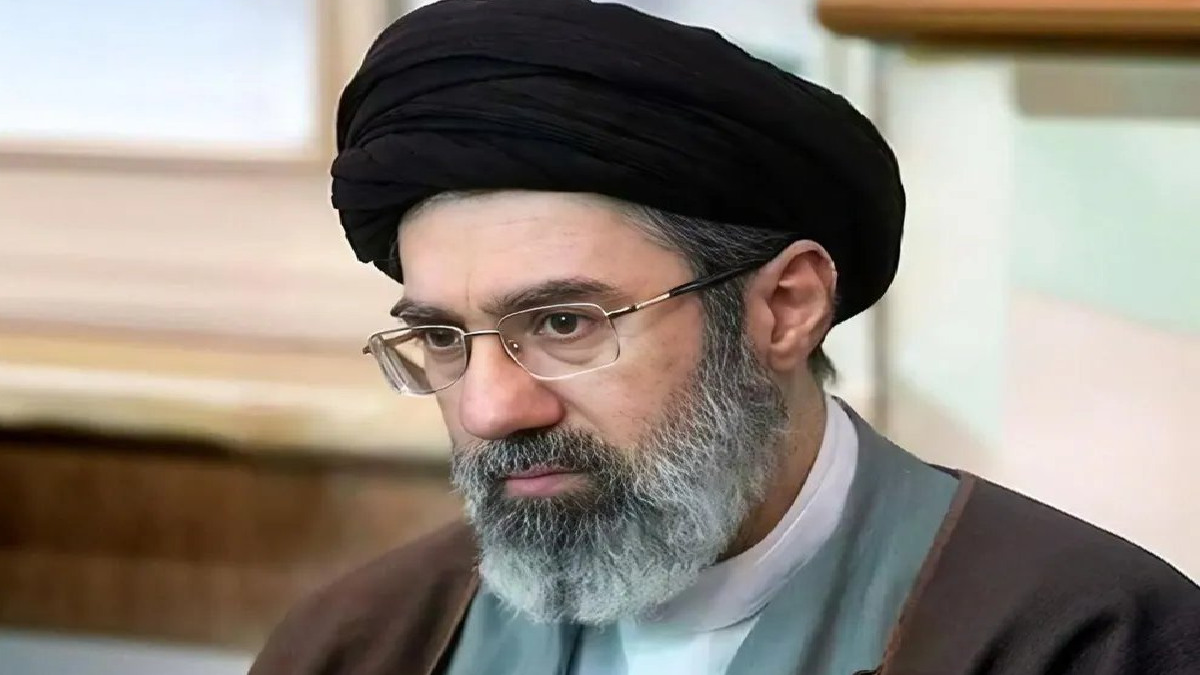
While the level of uncertainty over the top political and religious power in Tehran is still very high, recently unverified reports on the health status of Iran’s leaders have once again brought the country's succession process into a very complex international arena of debate. Supreme Leader Mojtaba Khamenei may be suffering from severe medical problems and the authorities are not saying anything about it, but these developments naturally have led to a lot of discussion about the constitutional conditions and protections and power-sharing that would happen if a sudden leadership vacancy at the top of the Islamic Republic occurs.
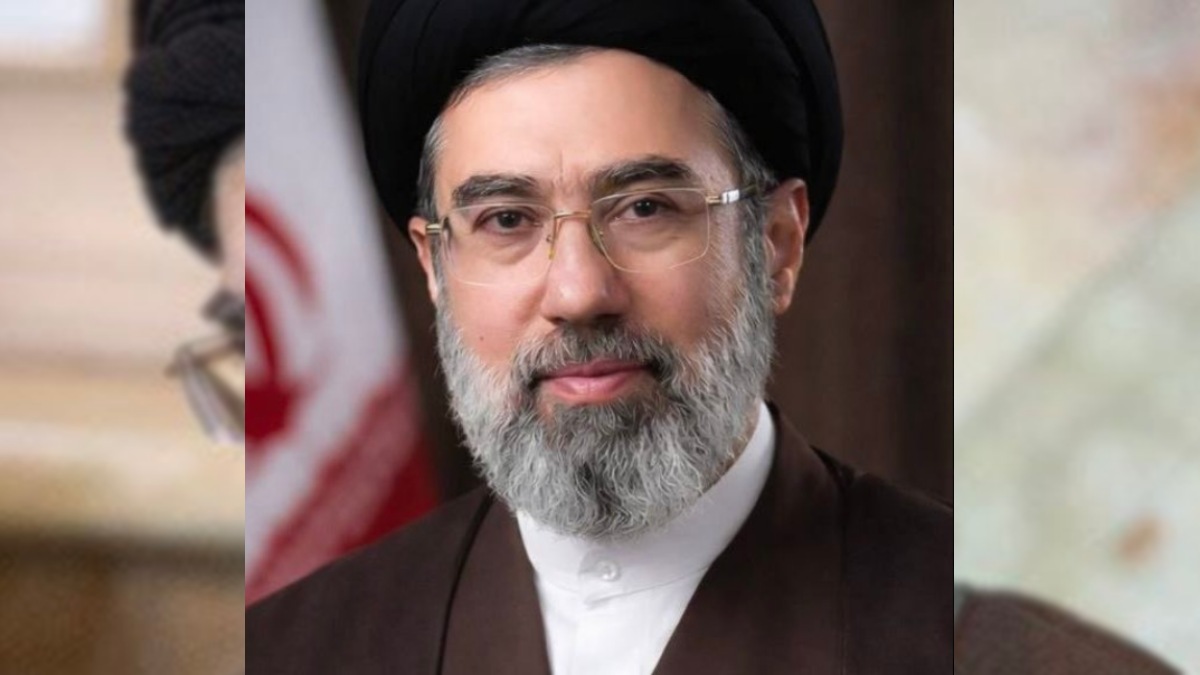
The system for the solution of the vacancy of the highest office in the Iranian Constitution is explicit. Article 111 states that if the Supreme Leader dies, resigns, is formally removed, or is temporarily unable to carry out his/her responsibilities, governance does not immediately go into chaos. Rather, a three-person Interim Leadership Council steps in to temporarily take on executive and administrative responsibilities, while the succession is established. That body includes the President of Iran, the Head of the Judiciary, and a religious jurist selected from the ranks of the Guardian Council who are in charge of supreme executive powers during the transitional interim phase.
Once a cabinet vacancy occurs, the constitutional duty of appointing a permanent successor falls back to the eighty-eight-member Assembly of Experts. The influential clerical body has to act quickly to appoint a new Supreme Leader, as that office is the seat of power on the military, judiciary, foreign policy and other basic institutions. Political analysts and regional observers have speculated on who might be among the candidates if there is a fight. Senior clerics such as Ayatollah Alireza Arafi and Ayatollah Hashem Hosseini Bushehri have strong institutional ties to the powerful seminary networks in Qom, and top state officials such as the judiciary chief Gholam-Hossein Mohseni-Ejei and moderate politician Hassan Khomeini have frequently discussed the future of leadership.
In addition to succession to a single leader, Iran’s Constitution also permits alternative forms of leadership in exceptional cases when the Assembly of Experts cannot come to unanimous agreement on a single candidate as the nation needs to transition from a single leader to collective leadership. And political analysts believe that a sudden leadership vacuum could significantly increase the political and operational power of the Islamic Revolutionary Guard Corps. With control of the country’s national security infrastructure, military forces, and huge economic activities, the IRGC could be a key Kingmaker and bring about a successor acceptable to the security establishment in a period of deep transition.