Typhoon Dujuan struck eastern Japan on Tuesday, September 22. The typhoon brought torrential rain, heavy rains, high winds, and widespread flooding, causing landslides in eastern Japan and around Tokyo. The storm caused at least two people to die and four others to go missing in the region, which was among the worst affected by landslides in eastern Japan.
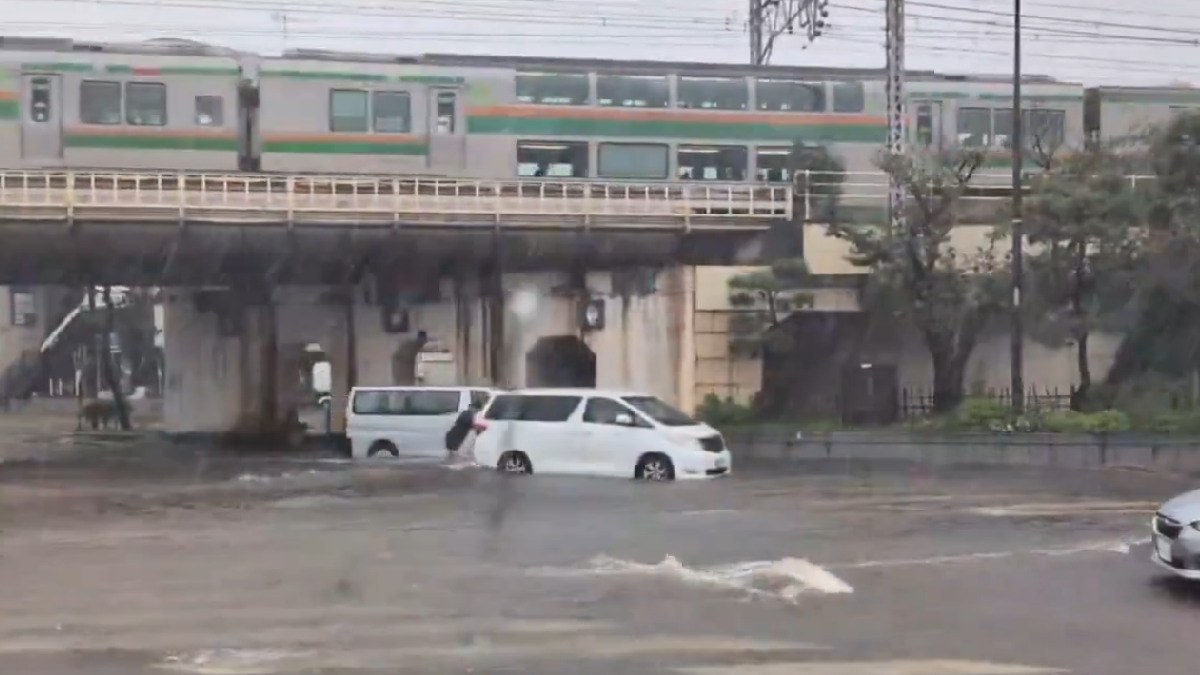
Dujuan brought extremely heavy rainfall to the Tokyo metropolitan area and surrounding areas. The torrent brought rivers to overflowing, roads to flood, and mud into residential areas. Landslides struck many areas in Kanagawa, such as Yokosuka and Miura, and Chiba also reported tragic accidents because of the extreme weather. Local government and emergency services were sent to the affected areas to search for possible areas that could have been affected by mud and debris.
The amount of rainfall was especially impressive in parts of the Izu Islands and Kanto region. In Oshima, in the Izu Islands, it was 686.5 millimetres in 24 hours on the afternoon of September 21. Other places were also showing extraordinary rainfall amounts, with 392.5 mm in Ichihara's Usaku region of Chiba, 345.5 mm in Funabashi, 308 mm in Miura, and 282.5 mm in Tokyo's Edogawa Ward in 24 hours. Some of the totals were the records for the observation periods.
The heavy rain quickly turned streets and low-lying areas into flooded zones. Images and reports of cars and roads in and around Tokyo showed flooding and rising rivers, raising anxieties among residents. Evacuation advisories were issued for several prefectures as many people evacuated. At one point, more than a million people were under evacuation advisories as the heaviest rainfall hit eastern Japan.
Transport services were also severely affected. Some trains in Tokyo and the surrounding prefectures were suspended or curtailed, and hundreds of flights were cancelled at Tokyo-area airports due to the storm. Narita Airport was also disrupted, and passengers were affected by the cancellation of transport services due to the storm.
Severe flooding hit Funabashi, near Tokyo, after Typhoon Dujuan struck Japan on Monday.
— NTD News (@NTDNews) September 21, 2026
One person was reported missing after a landslide in Kanagawa, while the storm brought winds of up to 90 mph and gusts topping 120 mph. #TyphoonDujuan #Japan #Flooding pic.twitter.com/ItoqinSlfk
Power supply was another major concern. Tens of thousands of households in the region around Tokyo were left without power after the storm damaged infrastructure and disrupted services. Around 49,000 households in Chiba, Tochigi, Shizuoka, and Kanagawa were without electricity early on September 22, according to Tokyo Electric Power Company data.
Even though Typhoon Dujuan was moving northeastward over the Pacific and away from the Tokyo area, the threat wasn’t over. Authorities warned residents about landslides because the prolonged rainfall had saturated the soil. Saturated soil can be unstable even after the rain has decreased, as slopes can collapse and create additional hazards for homes and roads, Japan's weather authorities warned.
The storm also impacted activities and events in the country. Public events were cancelled or altered due to the threat, and an Asian Games-related event in Tokyo was among those affected. Japan is hosting the Asian Games, and the typhoon added another layer of logistical stress for organisers, athletes, and visitors.
The casualty figures have changed as rescue teams travel to affected areas. Initial reports on September 22 placed the toll at two deaths and four people missing in Tokyo, while later news from Japanese media reported a higher toll in Kanagawa and Chiba. Four confirmed deaths and six missing people have been reported by Tuesday, highlighting the evolving nature of the disaster assessment.
In eastern Japan, residents have three immediate concerns: safety, rescue, and recovery. Emergency workers are clearing debris, scoping damaged homes, and assessing infrastructure damage.
Typhoon Dujuan has caused widespread damage to eastern Japan, with torrential rains in particular and has left a trail of flooding, landslides, power outages, and transport delays across eastern Japan. Although the storm itself has moved away from the capital region, the effects of its record rainfall continue to be felt. Rescue and repair work will continue as authorities search for missing people and restore essential services.