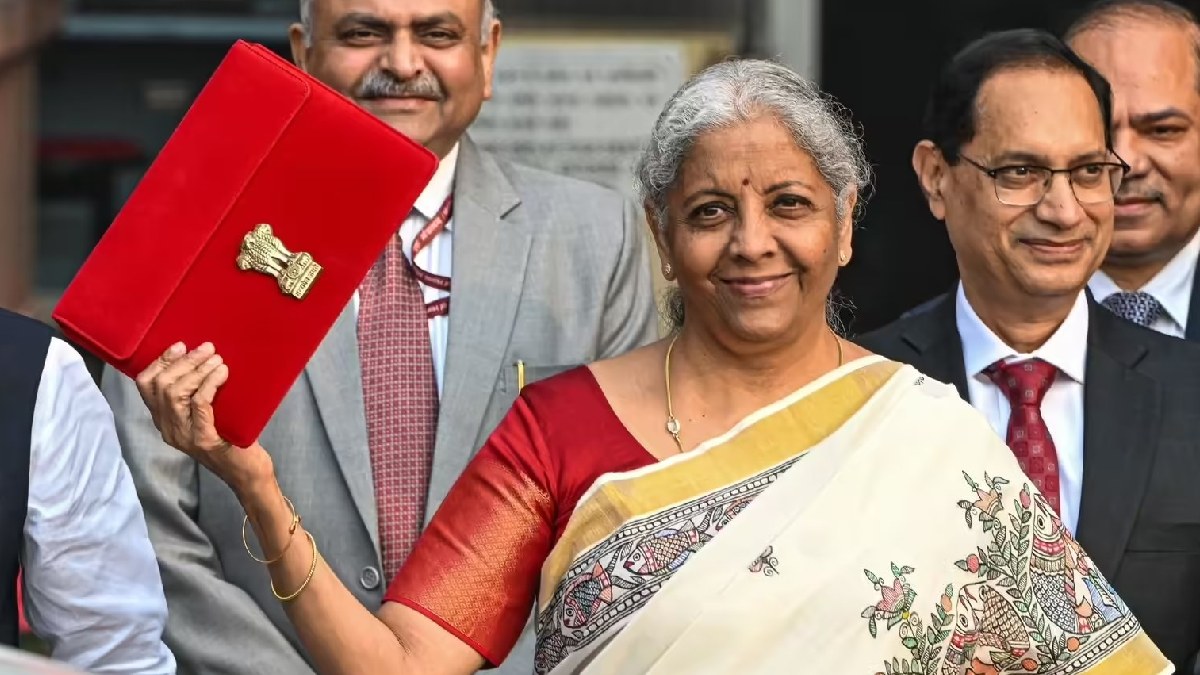
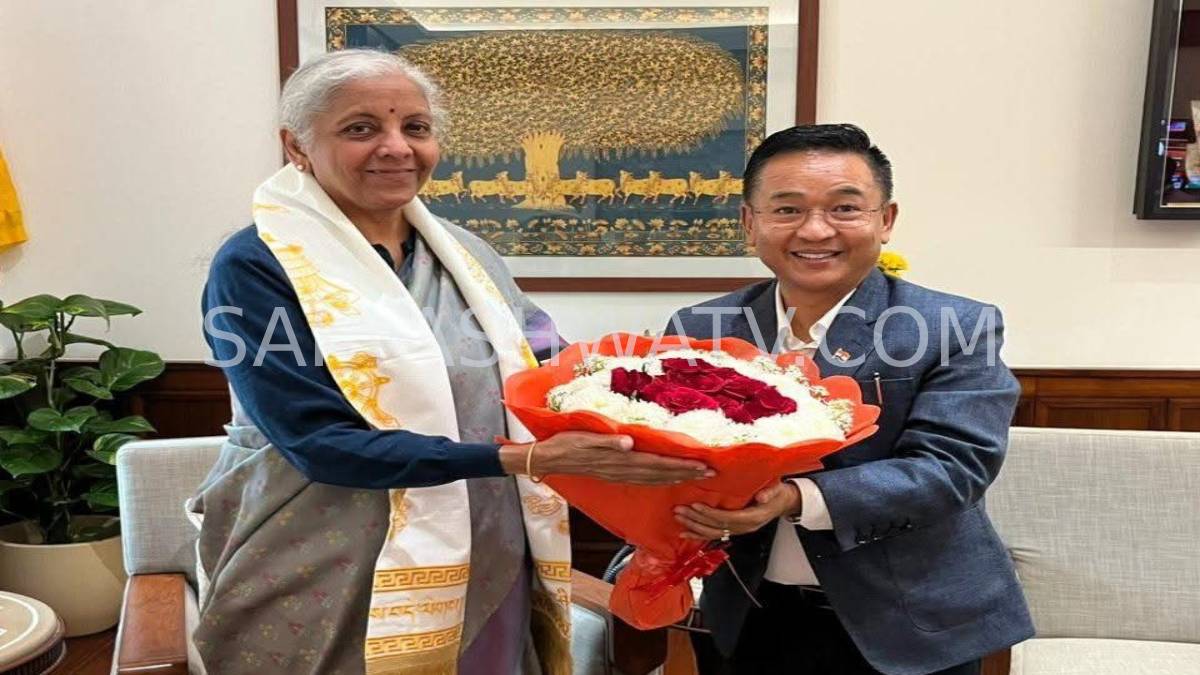
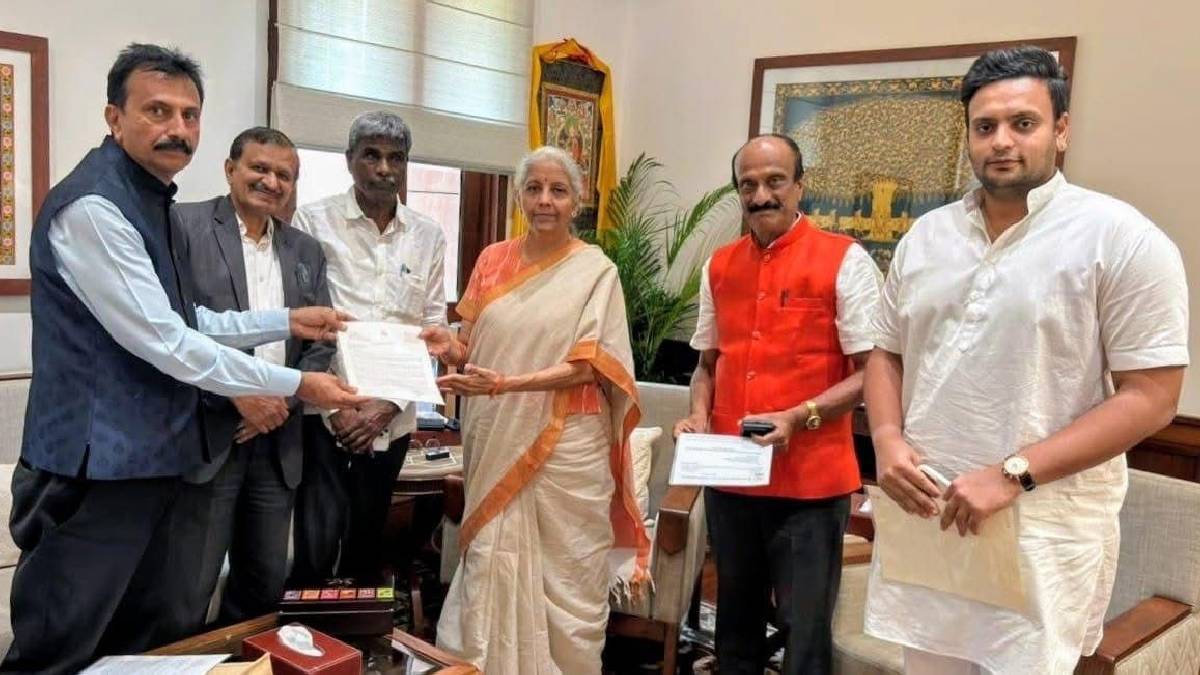
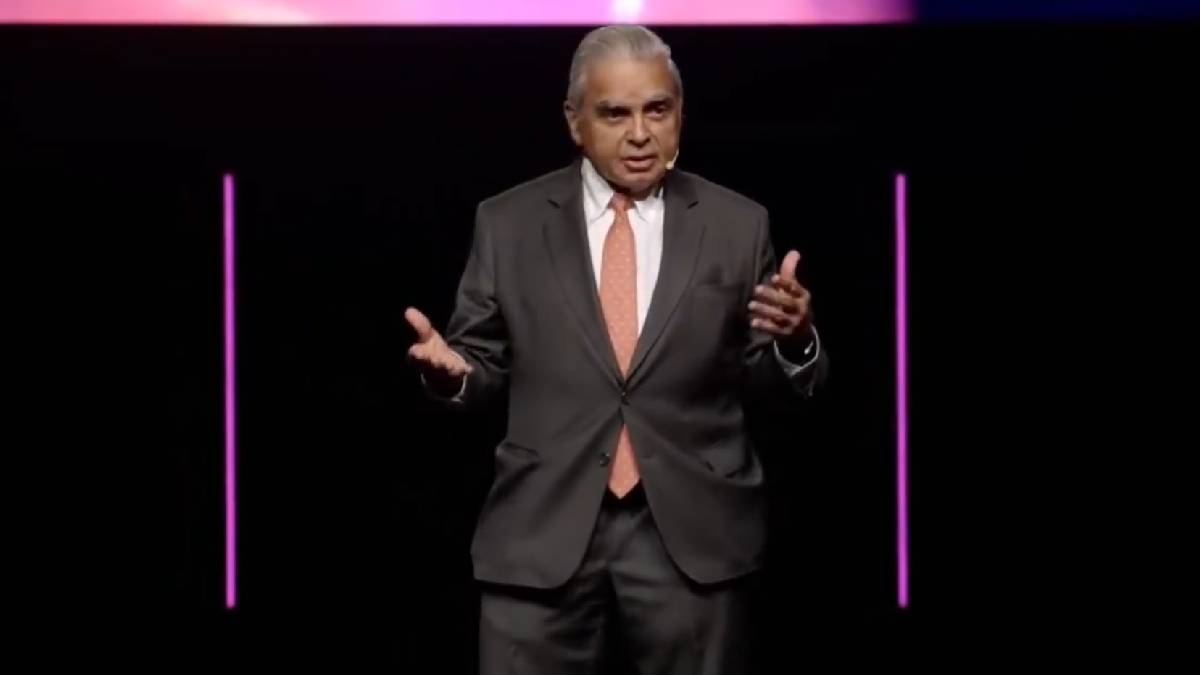
Union Finance Minister Nirmala Sitharaman said India’s economy is showing resilience despite a slowdown in the world economy in the wake of global economic growth but major shifts in international trade and supply chains.
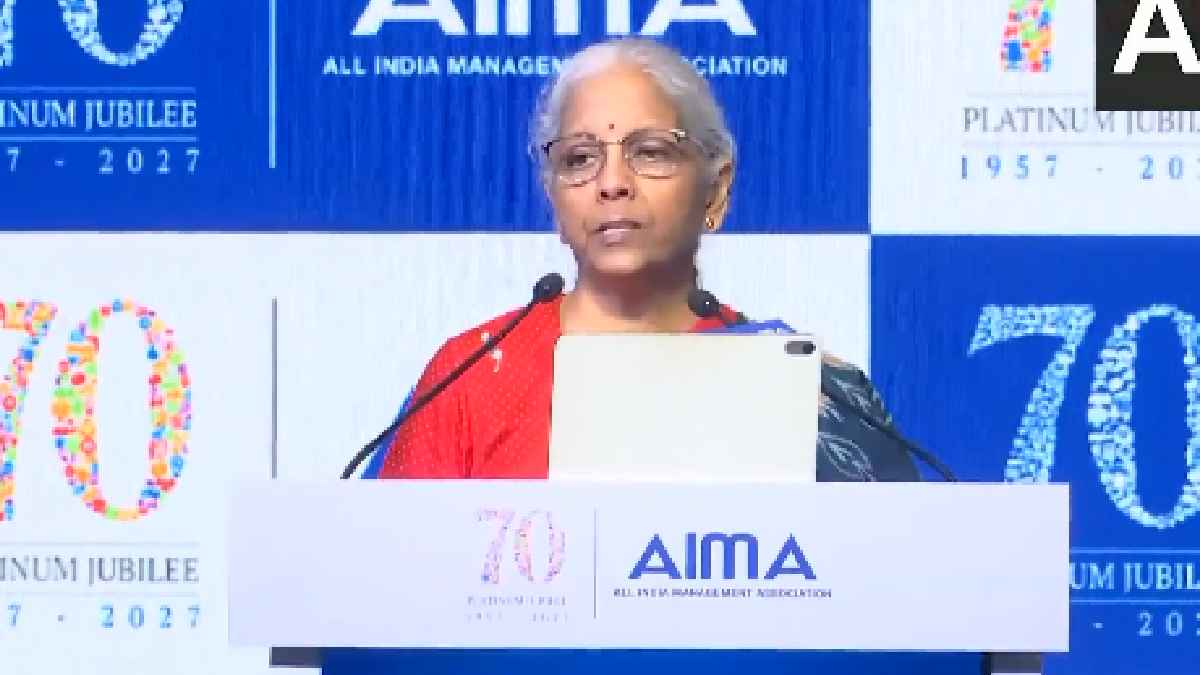
In a speech at the 53rd National Management Convention of All India Management Association (AIMA) in New Delhi, Sitharaman said: “The global economy is in an uncertain phase with open multilateralism, logistics networks and established supply corridors under pressure.
She said that even though the growth momentum in the world has slowed down to below 3%, India’s GDP continues to grow close to 8% and the latest quarter is better than many forecasts.
#WATCH | Delhi: Addressing the AIMA's 53rd National Management Convention, Union Finance Minister Nirmala Sitharaman says, "While global momentum slows below 3%, Indian GDP continues to expand close to 8%, with the latest quarter coming in stronger than most forecasts. This… pic.twitter.com/ukOvkAJGHD
— ANI (@ANI) September 22, 2026
Her comments are coming in a period of strong economic growth. India had real GDP growth in the April-June quarter of FY27 at 7.8%, according to recent numbers.
Sitharaman also pointed out India’s improved position in global credit markets. On September 2, the Japan Credit Rating Agency (JCR) upgraded India’s long-term foreign-currency and local-currency issuer ratings from BBB+ to A-, maintaining a stable outlook. JCR also raised India’s country ceiling to A.
The upgrade brought India into the A category for the first time in more than three decades by an international rating agency. JCR cited sustained economic growth, stronger financial-sector fundamentals, improvements in the quality of government spending and policies to boost productivity and economic development as reasons for the upgrade.
Sitharaman said that the changing world environment demands India to build resilience without turning inward. Resilience in India is not about being economically isolated, she said.
To build domestic capacity for the economy and to strengthen our economy, we need fiscal strength and industrial capacity so that external shocks don’t interfere with India’s development trajectory.
The Finance Minister pointed to the changing structure of global trade and supply chains as a structural change, rather than a temporary one. Geopolitical tensions, trade uncertainty, volatile commodity prices and supply chain interruptions have increased the importance of domestic capacity and diversified economic linkages.
#WATCH | Delhi: Addressing the AIMA's 53rd National Management Convention, Union Finance Minister Nirmala Sitharaman says, "We are living through an unpredictable period in the world economy. The post-Cold War assumptions of open multilateralism, dependable logistics, and… pic.twitter.com/kqiANKBrV5
— ANI (@ANI) September 22, 2026
The theme of AIMA’s 2026 convention was “Transforming for Tomorrow: Growth with Resilience.” Talks centered on how India and Indian businesses can respond to technological, economic and geopolitical changes.
Sitharaman noted that the government’s approach has been to integrate domestic economic strength and continued global engagement. India needs to keep up its growth momentum as well as its ability to withstand external shocks.
The JCR upgrade is one indication of how international rating agencies are assessing India’s economic fundamentals. Yet it can also be noted that JCR has identified fiscal and other structural challenges that are not going away and must be addressed by continuing economic reforms and fiscal management.
Sitharaman’s words place economic resilience at the centre of India’s next phase of growth, with domestic capacity, industrial scale and financial strength emerging as key priorities in an increasingly uncertain global economy.