An operation by the U.S. Southern Command (SOUTHCOM) marked a major escalation of naval strikes by confirming a lethal strike against a purportedly drug-smuggling vessel in the Eastern Pacific on Friday, February 20, 2026. The attack killed three people, marking the second such deadly engagement in one week.
Operation Southern Spear Escalates
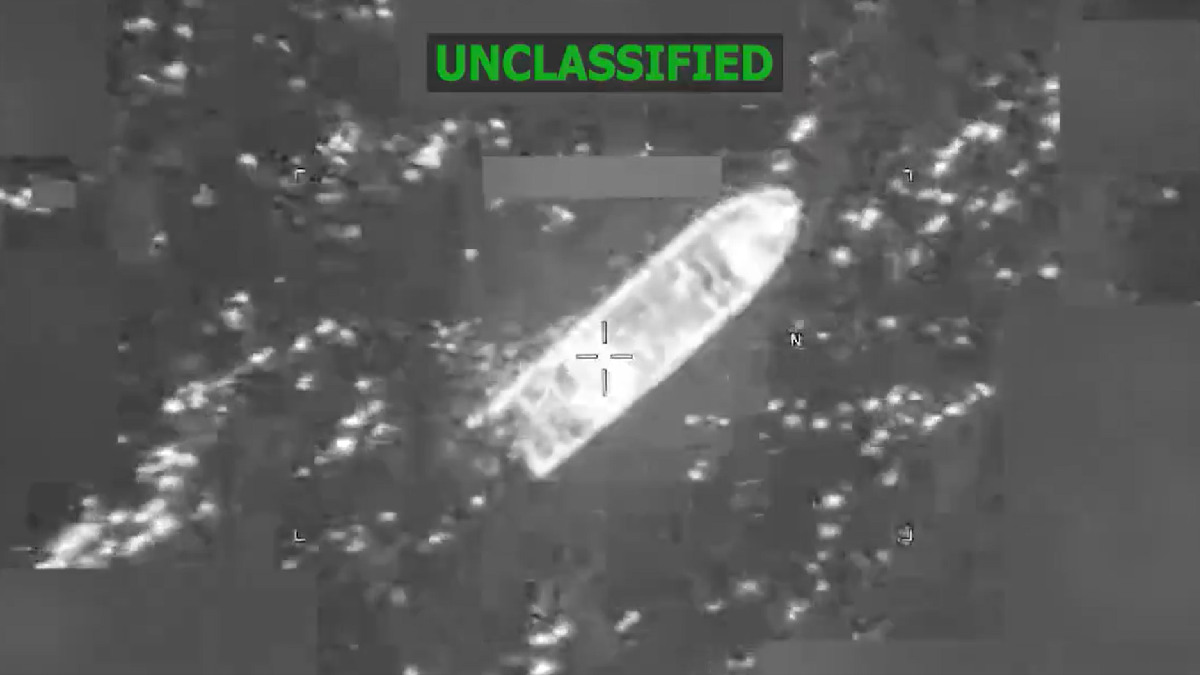
The strike, which the Joint Task Force Southern Spear executed, hit a small vessel that the military said was on “known narco-trafficking routes.” The vessel caught fire upon impact, according to a statement and a 16-second video clip posted on social media by SOUTHCOM.
No American officials were injured during the operation, which was commanded by the new commander, Gen. Francis Donovan. This latest engagement follows a much larger strike earlier this week on Monday, February 16, when U.S. forces targeted three different vessels in the Eastern Pacific and Caribbean, resulting in 11 fatalities.
The Death Toll Surging and A Sense of New Law
Since Operation Southern Spear launched in September 2025, the U.S. has shifted into a new kind of confrontation from those traditional law enforcement measures (previously carried out by Coast Guard) and used more "lethal kinetic attacks." The campaign has now taken a toll of at least 148 lives in about 43 attacks.
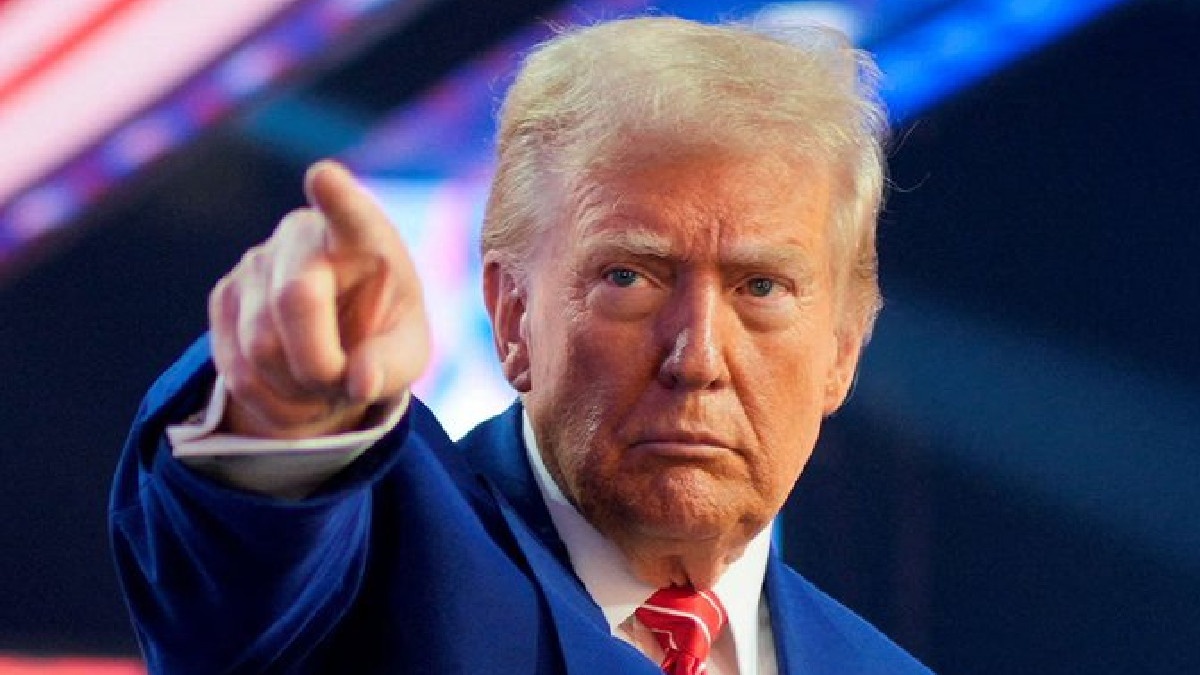
The Trump administration has justified these attacks by labeling the targeted groups as “narco-terrorists” and saying the U.S. is in an “armed conflict” with Latin American cartels. But this policy has led to heated international debate:

- Evidence Concerns: Critics and legal experts said the Pentagon often declines to provide public evidence about the drugs on board before or after the ships are wrecked.
- Extrajudicial Claims: With suspected suspects being executed in international waters without due process or evidence of imminent threat, the American Civil Liberties Union (ACLU) and other human rights organizations have declared that some of the above strikes may amount to extrajudicial killings.
- Internal Conflict: The more aggressive policy is said to have put the outgoing commander of SOUTHCOM, Adm. Alvin Holsey, in the position earlier this February, over disputes over whether lethal force should or should not be used.
Regional Impact
The U.S. insists that these strikes are a necessary escalation to stem the flow of fentanyl and other narcotics; many Latin American leaders have expressed concerns about sovereignty. And despite the military doing so at a kinetic level, the U.S. Coast Guard allegedly continues non-deadly interdictions in the same waters, underlining a dramatic difference in the style and manner in which the 2026 drug war is being waged in the sea.