A recent nationwide decision by a major federal court in the United States reignited a national debate on abortion rights as limits were imposed on the mailing of the abortion drug Mifepristone.
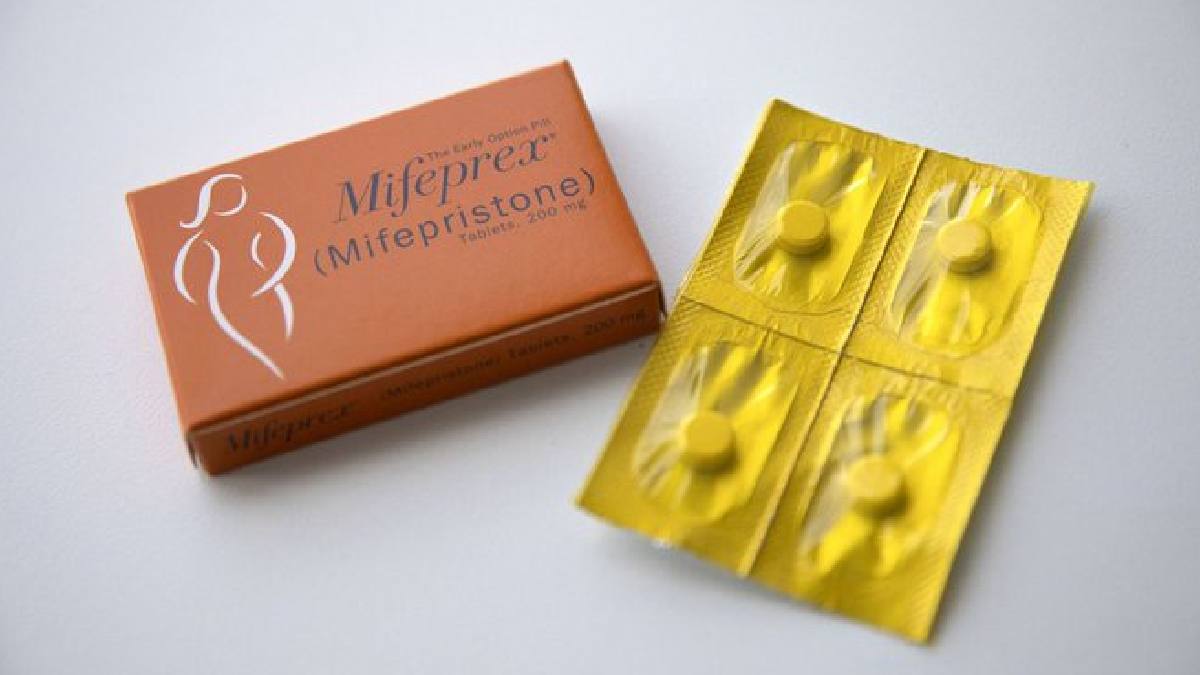
And for those who advocate reproductive rights, the decision marks a massive loss of access to care, especially for women in states with stringent abortion laws. Mifepristone, a medicine approved for medical use in the U.S. for more than 20 years, is one of the most widely used medications for medical abortions in the country.
The drug is usually used with another drug at the outset of pregnancy. Since the beginning of pregnancy, it has offered a form of non-surgical abortion for most women. A recent ruling from a federal court virtually ruled out sending out that medication by mail, a practice that has been rapidly expanded by the country over the past few years and largely through its use for telemedicine during COVID-19.
Supporters of mail-based access to Mifepristone claim it has made healthcare more accessible, cut travel costs and allowed women (who cannot go to clinics) to get care through safer means. But opponents of the decision claim it would undo decades-old progress on medical and legal fronts in the United States that helped make access to reproductive health care possible.
A series of women’s rights groups criticised the ruling as a violation of health care autonomy and privacy. Anti-abortion groups, meanwhile, found this progress welcome: They argue that stronger controls should be exercised on the supply or use of abortion medicine. Those who push for stricter restrictions say the medicine can't hurt the patient, and if the medical supervision in person isn't there, the law has to win.

But after the Supreme Court’s earlier ruling reversed Roe v. Wade, which had kept abortion covered by federal protections for decades, the war over Mifepristone has emerged as a medical and political menace in the United States. Abortion laws have since then been very different laws enacted by each state, which added layers of legal uncertainty and narrowed the legal divide within the country.
The medical community and public health care workers have also chimed in, and many organizations have reached an agreement that Mifepristone has been studied and used safely and effectively in the use of these drugs for decades, right up to the time when the medically indicated treatment works and when it is in accordance with the approved guidelines.
And several health care organisations said cutting coverage would add another layer of lag in care and would increase stress that would make the already overburdened health care system even worse. And in one or two more months, we will be having more and more of the same legal fights. I guess we will take them to higher courts.
It could shape not just the rights of women who have abortions but also federal rules on approval of drugs and telemedicine treatments, analysts say. It is once more a flash point in American politics, courting allies on both sides at last after a sequence of legal and political fights.