In one of the biggest technology acquisitions of 2026, ride-hailing and food delivery giant Uber Technologies Inc. announced that it will purchase Germany’s Delivery Hero SE for €12.7 billion ($14.8 billion) in a cash buyout that will alter the world’s food delivery landscape and create one of the world’s largest delivery platforms with operations in nearly 100 countries.
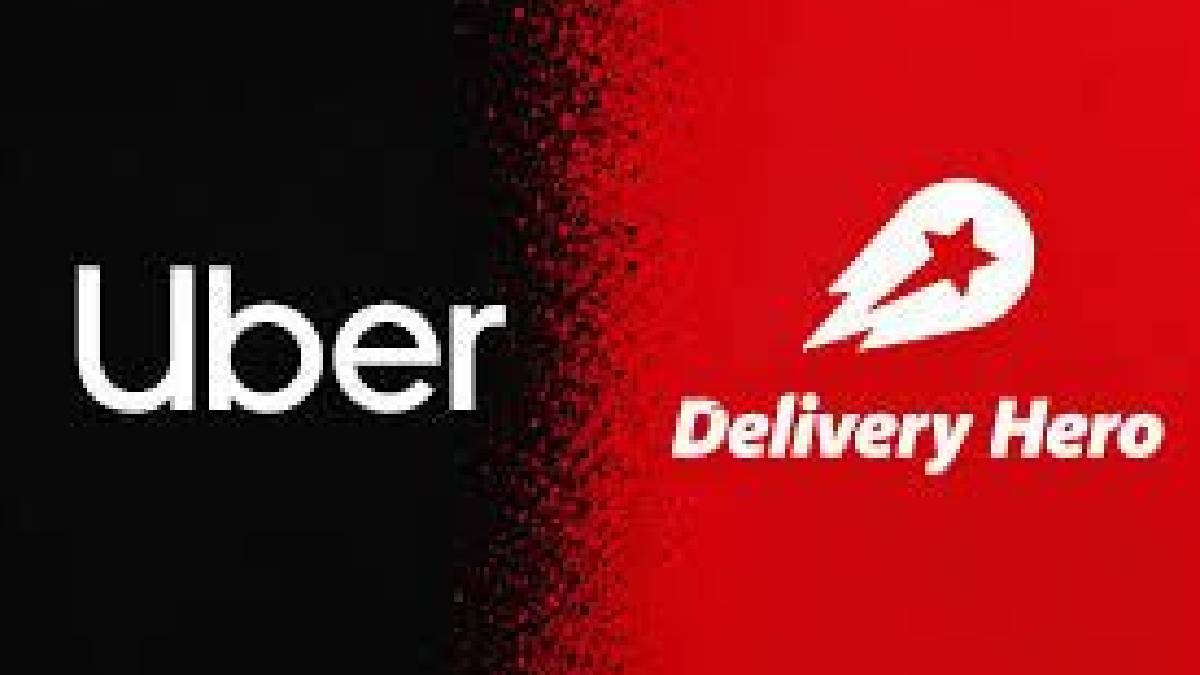
The deal is an important strategic move by Uber as it goes beyond ride-hailing and grows its online food and grocery delivery business. If approved, it’s a deal that would marry Uber Eats’ global reach with Delivery Hero’s global footprint in Europe, Asia, the Middle East, Africa and Latin America.
Why did Uber buy Delivery Hero
Uber has been investing in its delivery business for years. Uber Eats is now one of the leading food delivery services in North America and some international markets, but there is still competition from DoorDash, Just Eat Takeaway, Deliveroo, Grab and regional delivery services.
Delivery Hero, headquartered in Berlin, Germany, is one of the world’s largest food delivery businesses and has brands like Foodpanda, Glovo, Talabat, PedidosYa, HungerStation, Yemeksepeti, and others. The company provides food delivery services in around 70 countries and Uber can penetrate markets where it has little or no presence.
Combining both companies will help Uber build a much stronger global ecosystem to deliver food, groceries, convenience items, and other daily essentials to the world in a much more effective way.
Deal Details
In return, Uber is offering €41.50 a share for Delivery Hero shares, which is around a 50 percent premium to the company's current market value.
The deal has been valued at about €12.7 billion ($14.8 billion) for Delivery Hero.
The acquisition still requires
The approval of Delivery Hero shareholders. Regulatory approval by competition authorities in several countries. Acceptance by shareholders of at least 50% plus one share of Delivery Hero's outstanding stock.
Uber already owns a stake in Delivery Hero, and if the deal goes through with the support of the major shareholder Prosus, which has decided to tender its nearly 17% stake, Uber is expected to secure control of roughly 53% of the company when it is completed.
Addressing Competition Concerns
Because Uber Eats and Delivery Hero are in many overlapping markets, the deal will be closely watched by regulators.
To alleviate antitrust concerns, Delivery Hero has agreed to sell its operations in 14 overlapping markets to investment firm SSW Partners before the acquisition is complete. This is to maintain competition in affected markets and enhance the chances for regulatory approval.
Industry experts say competition authorities in Europe, Asia and other countries will monitor the transaction since it is big and could affect consumers and restaurants.
Uber's Commitment to Germany
Delivery Hero will join Uber, but the company has said it will keep a strong presence in Germany.
Uber will invest €2 billion in Germany by 2031 and will focus on technology, innovation, logistics and jobs. It is also going to keep Delivery Hero’s worldwide headquarters in Berlin and preserve thousands of jobs, ensuring the city remains a key place for its global operations.
Delivery Hero’s management and supervisory board strongly recommend that shareholders take Uber’s offer as an opportunity for long-term growth.
What Does it mean for customers
We are not expecting any major changes for consumers. Food delivery apps and services will continue as usual while regulatory approval for the acquisition is being sorted out.
But if the deal is completed, customers could eventually benefit from:
A wider range of restaurants. Faster delivery with an expanded logistics network. More convenient grocery and quick-commerce services. Better technology and AI delivery optimization. More cities and countries with expanded delivery coverage.
Restaurants and delivery partners could also have access to a wider customer base through Uber’s global platform.
A New Global Delivery Giant
The combined company is anticipated to operate in around 99 markets around the world and is one of the world’s top digital commerce and food delivery companies.
Analysts say the merger will create competition with big rivals DoorDash, Just Eat Takeaway, Deliveroo and Grab, and other regional delivery companies. The deal is also emblematic of a wider consolidation of the delivery industry as companies seek bigger scale, more efficient operations and longer-term profitability.
The acquisition is expected to close in the second half of 2027, subject to regulatory and shareholder approval.
The Uber-Delivery Hero merger is much more than a corporate deal.
It is a new stage in the evolution of the global delivery industry, with companies looking to create massive platforms for customers to buy food, groceries, retail products and on-demand services. Investors, competitors, restaurants and consumers will be following the deal closely.