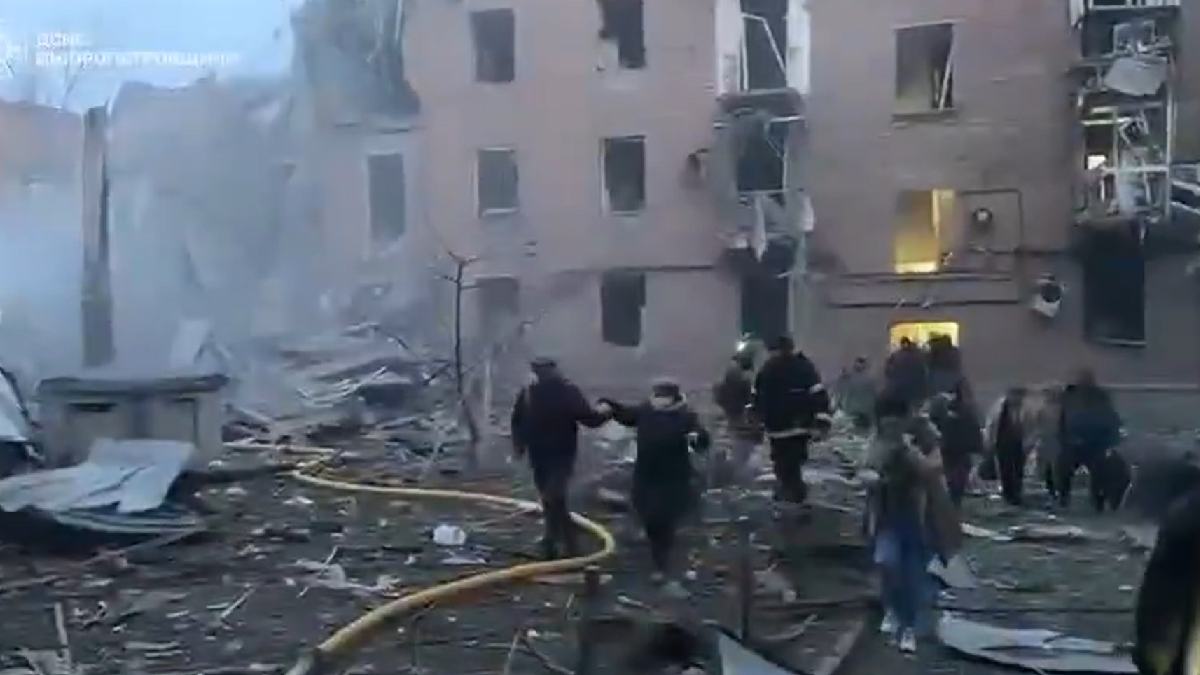
Ukraine has launched what Russian officials say is the biggest drone attack on Moscow in two years, in a sign of growing tensions between the two nations. Air defence systems intercepted hundreds of drones overnight, including nearly 200 aimed at the Russian capital, Russian authorities said.
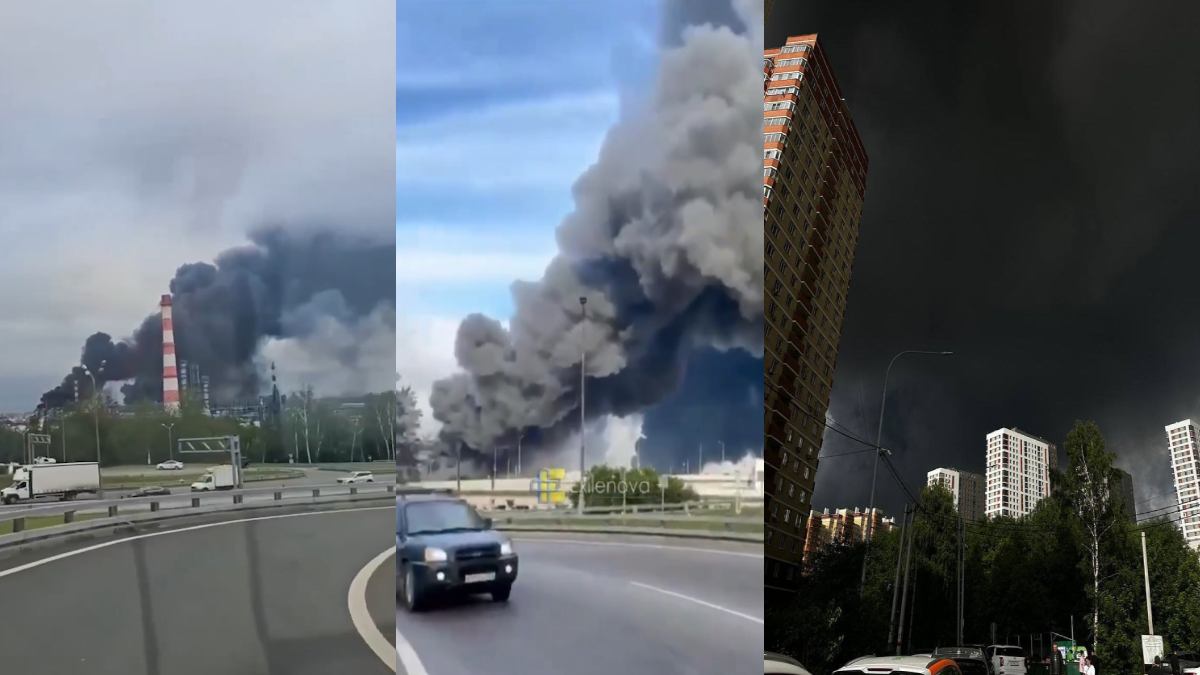
The massive aerial assault disrupted several areas, damaged infrastructure, triggered fires and put flight restrictions at Moscow airports on hold for a few hours. Both sides have increasingly deployed unmanned aerial vehicles to attack military and strategic assets far from the front lines.
Russian officials claimed that air defence systems intercepted 194 drones targeting Moscow and 555 drones across Russia during the overnight attack. If confirmed, it would be one of the most extensive drone offensives since the conflict began.
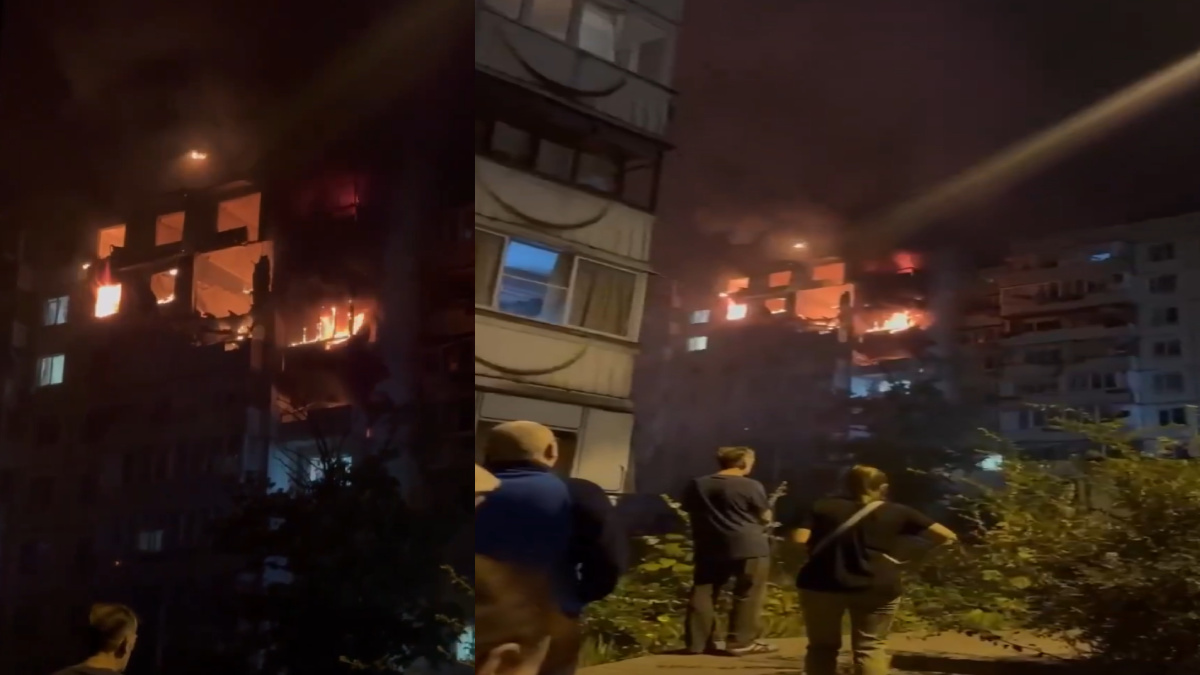
Authorities said debris from intercepted drones and the impacts of the strikes caused damage to a number of areas. Emergency services were deployed to the areas of damage to assess damage, extinguish fires, and ensure public safety.
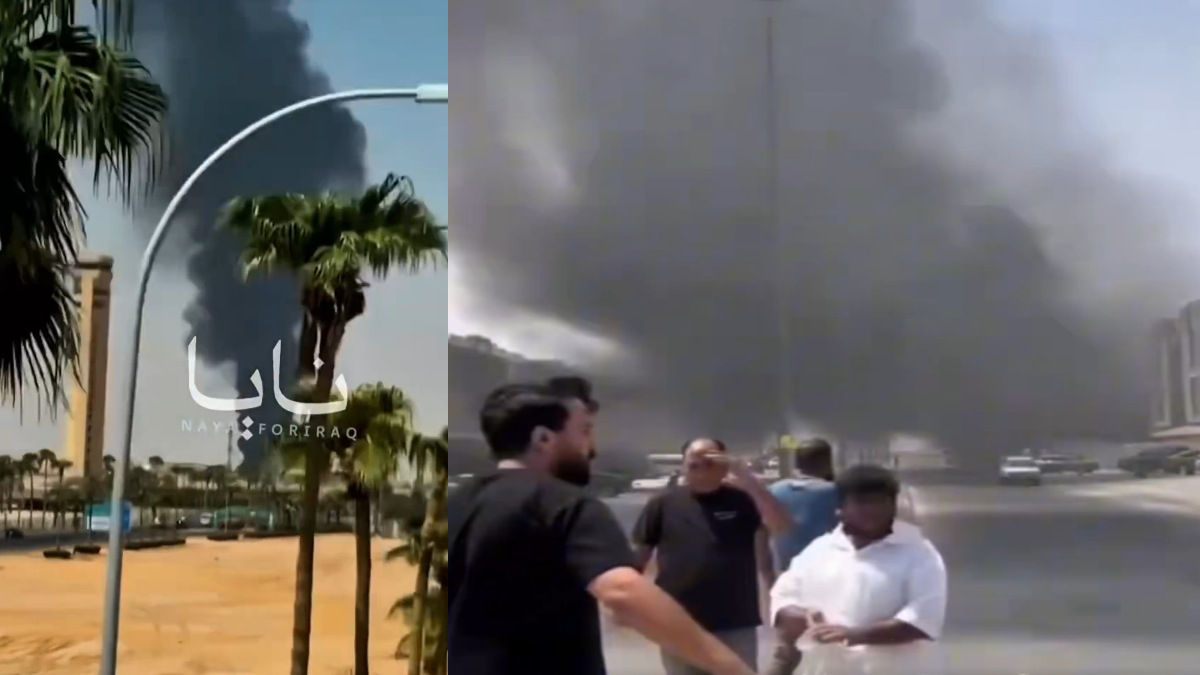
The most important target was Moscow’s Kapotnya oil refinery, which is a major source of energy for the Russian capital and surrounding areas. Videos published on social media seemed to show smoke rising from the plant and flashes and explosions believed to be linked to the attack.
Even though there has not been an assessment of the damage to the refinery yet, emergency crews were sent immediately to the site after the incident.
The attack also disrupted transportation services in and around Moscow. The airport systems temporarily suspended flight operations as an emergency measure, and air defence systems took action against incoming drones. Flight schedules were disrupted, and passengers were also forced to cancel flights through the Russian capital.
Security measures were strengthened at major infrastructure sites such as energy plants, transportation hubs, and industrial facilities throughout Russia. Russian authorities are constantly beefing up air defence around Moscow and other major cities in the wake of a series of drone attacks in recent years.
BIG: Ukraine launched its largest drone attack on Moscow in two years, with Russian officials saying air defenses intercepted 194 drones targeting the capital and 555 across Russia overnight.
— Clash Report (@clashreport) June 18, 2026
The strikes damaged infrastructure, sparked fires, and temporarily disrupted flights… pic.twitter.com/4LGWeXGAfN
Drones are now a key component of offensive and defensive strategies in the military, as long-range strikes are made possible by drones to minimise human casualties.
Ukraine has repeatedly targeted military facilities, logistics hubs, fuel depots, and the infrastructure that supports Russia’s military operations. Russian officials, however, say that such attacks can affect civilians and public infrastructure.
But there is still fighting along a number of sectors of the front line, as both sides are fully engaged in war. Long-range strikes have become more common in recent months; drones are among those trying to disrupt supply chains, fuel storage facilities, and strategic assets.
International observers are closely monitoring developments because attacks on critical infrastructure can affect energy supply, transportation, and regional stability. Drones on such a large scale also showcase the changing nature of warfare, in which relatively low-cost systems can have significant strategic and economic impact.
As the investigation and damage assessment continue, Russian authorities are on high alert for further attacks. Emergency services are still in place in affected areas, and aviation and security officials are reviewing procedures following the unprecedented overnight assault.
The latest drone offensive is another major part of the ongoing Russia-Ukraine conflict, showing how far drone technology has come and how intense the hostilities between Russia and Ukraine continue to be.