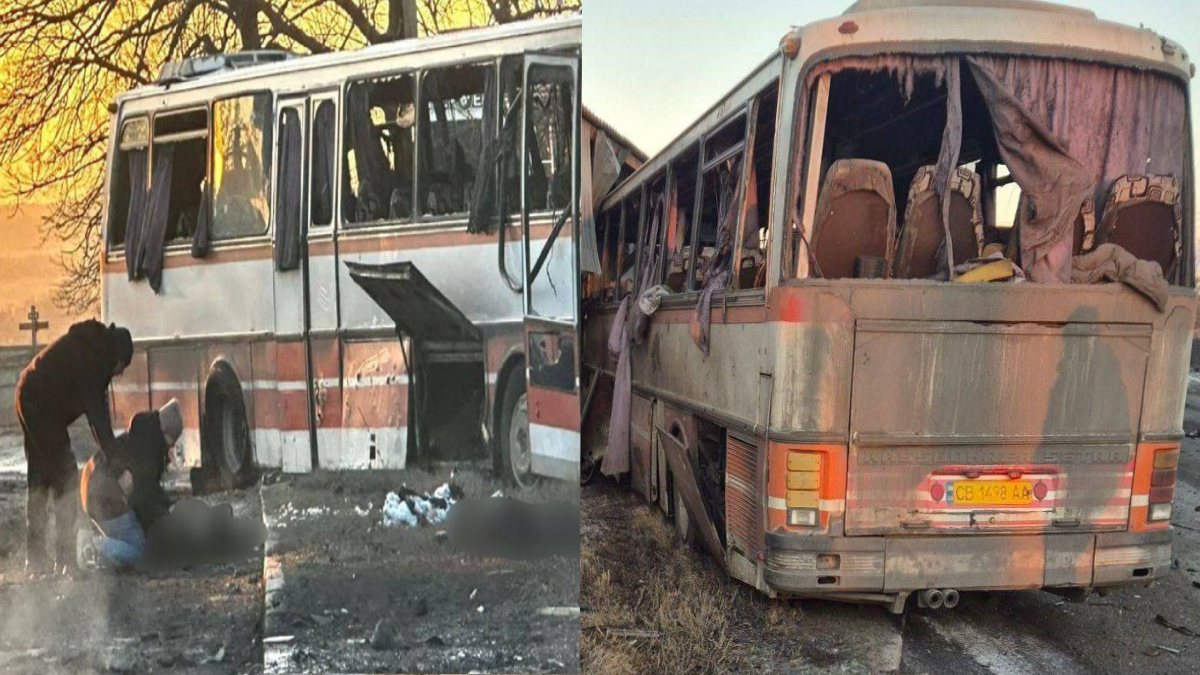
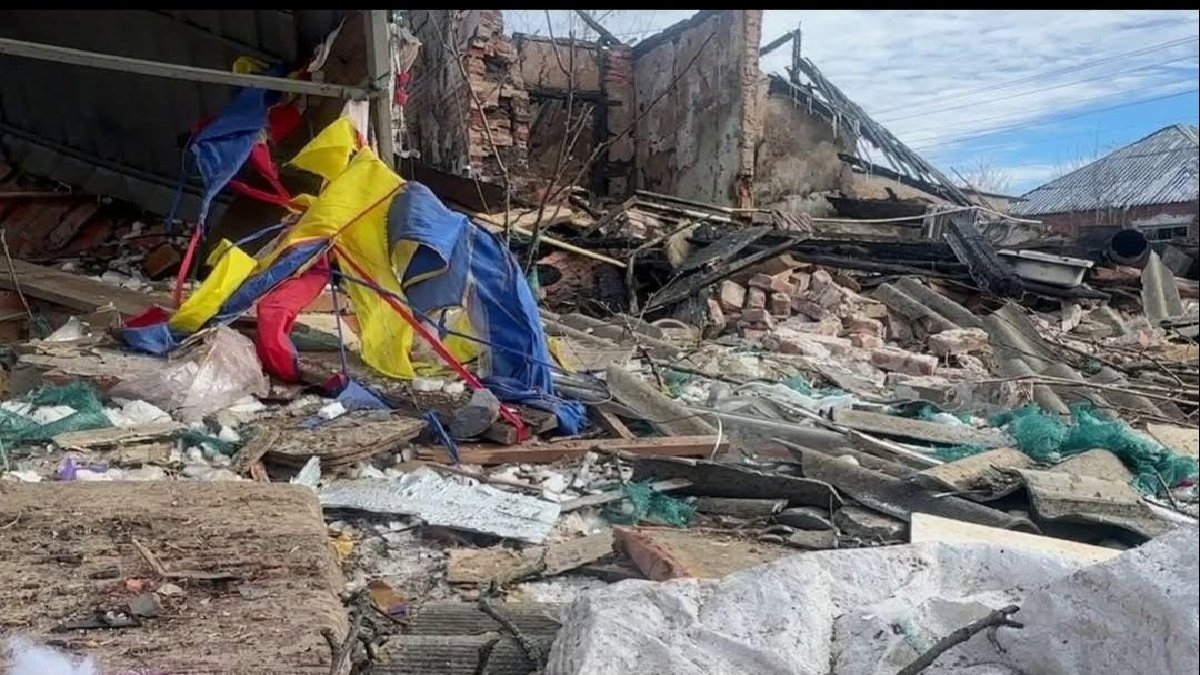
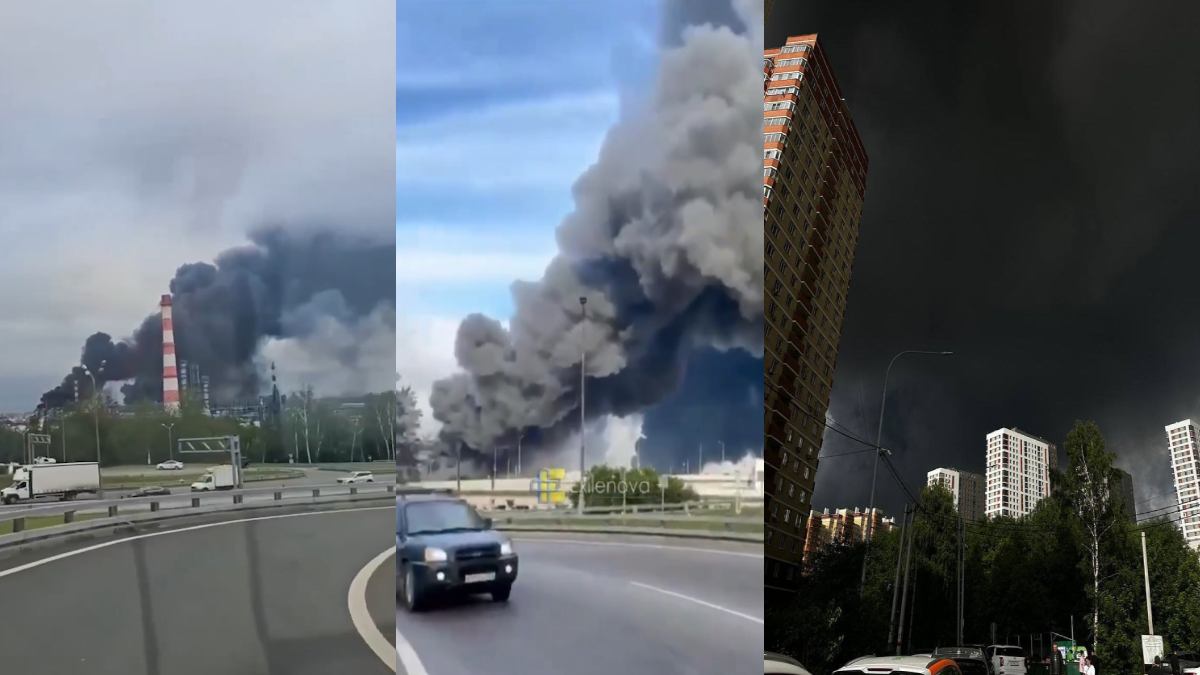
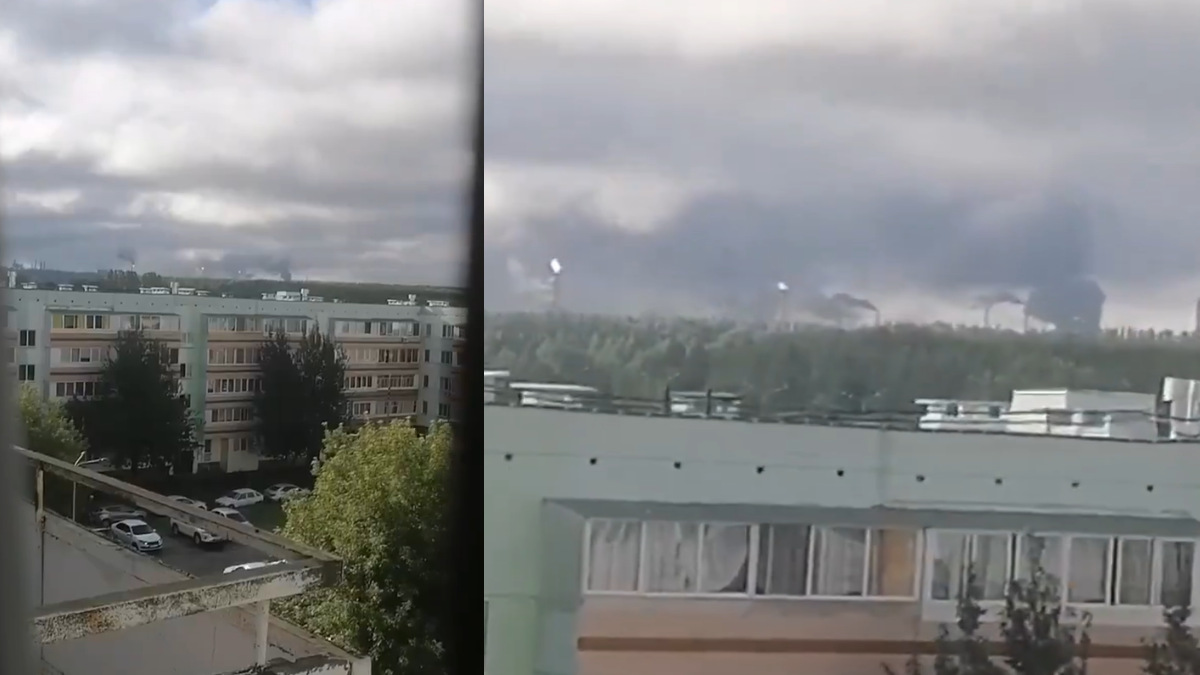
And there are at least 41 miners feared trapped underground as a strike hit a coal mine in the Russian-controlled Luhansk region in which a strike hit a coal mine in the ongoing war between Russia and Ukraine led to fears of civilian safety as a humanitarian crisis in the ongoing conflict is now on the rise.
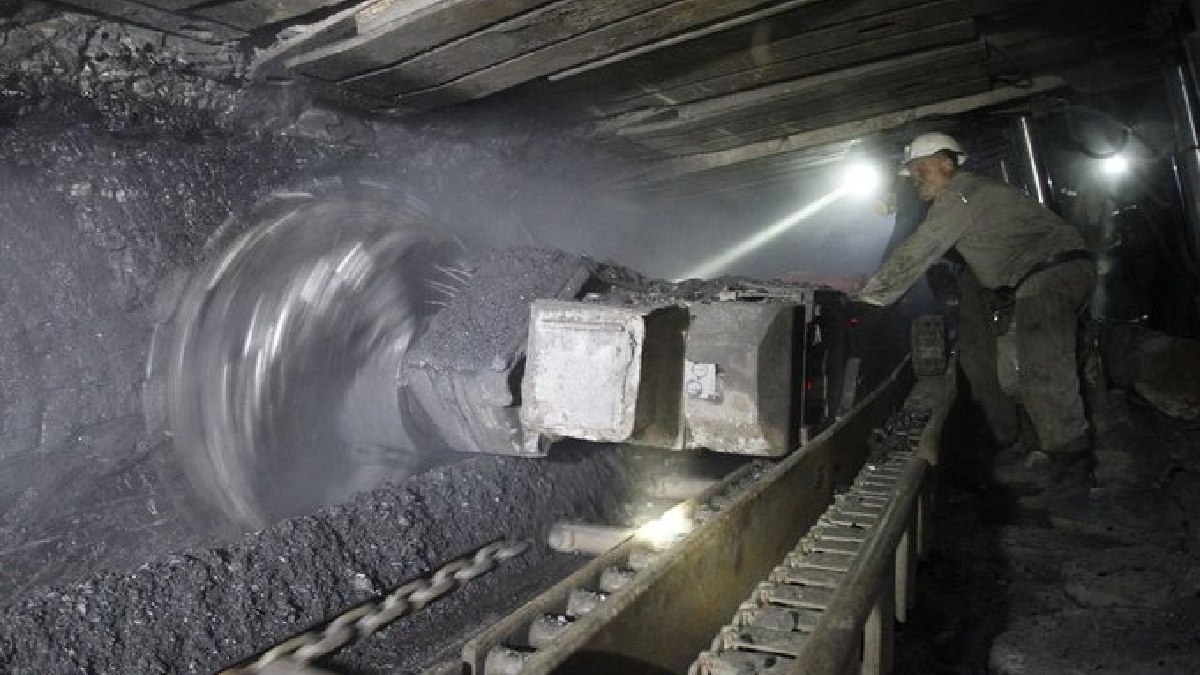
The strike targeted infrastructure in the vicinity or directly on the coal mine that had already been heavily damaged and so people were trapped underground. Emergency services were immediately summoned, but continued hostilities and structural damage have impeded rescue efforts.
Local authorities in the Russian-controlled region say that the trapped miners are not communicating with the trapped men and the situation is not clear on how they are far away, so it’s difficult to assess their state. The prospect of oxygen supply, gas leaks and the safety of the mine shafts (which may be unstable in case of a collapse and can also cause a collapse in oxygen supply) are also raising fears for those trapped.
The Donbas region (and Luhansk in particular) has a large network of coal mines, many of which have been working for decades. The depth, age and reliance on continuous power and ventilation systems make them particularly vulnerable to military conflict.
The strike seems to be part of the larger struggle between Ukrainian troops and Russian-backed authorities in eastern Ukraine. But no independent verification of what exactly happened was provided of the attack because fighting continues among both sides and there are a lot of claims of what could have happened.
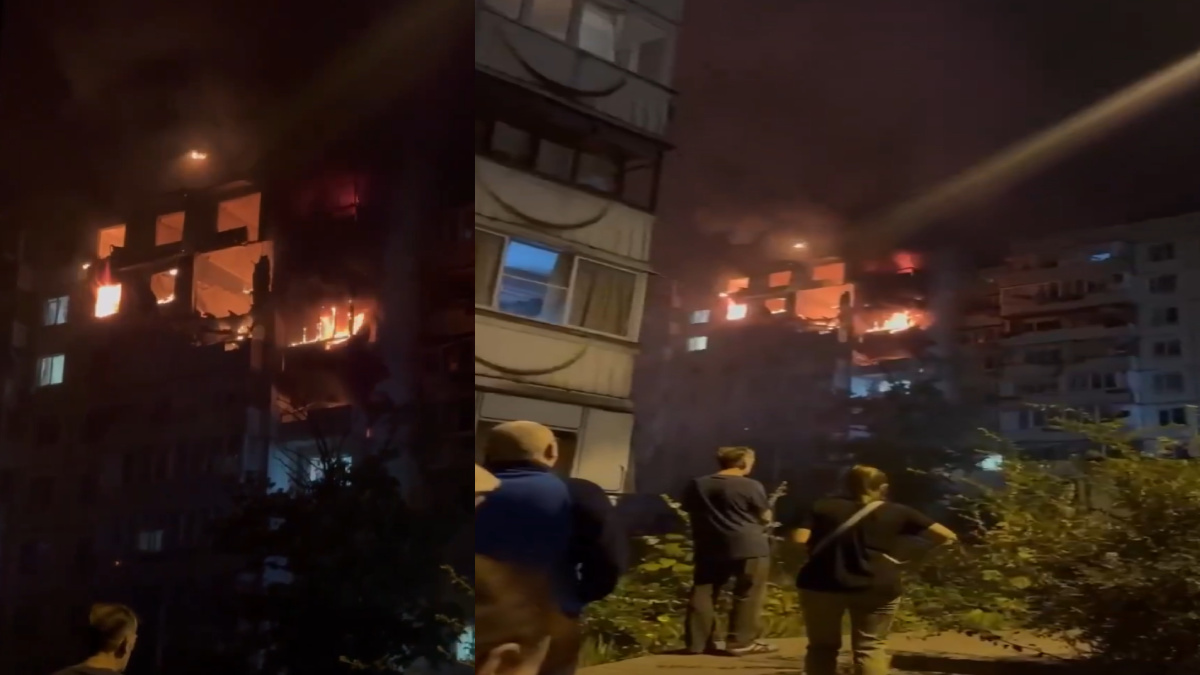
Rescue teams are attempting to stabilize the damaged areas and restore access to the mine. Unexploded ordnance and continued shelling have delayed operations. It could be a very long time; reaching the trapped miners safely may take a considerable amount of time.
World humanitarian organisations have expressed concern for the safety of civilians and workers in conflict zones and workers in high-risk areas (e.g., mines). Temporary ceasefires have been proposed as possible to allow rescue operations to proceed without any further danger.
This situation illustrates the greater risk in the lives of civilians working in war zones, where critical infrastructure is often hit. Coal miners, for example, are already in hazardous circumstances and a military strike would only heighten that risk.
Family members of the trapped miners are impatiently waiting for news of the miners being saved. The incident is a testament that there is still a war under way and that the soldiers and civilians in the front line and those who work in the daily lives of the soldiers are not only affected, but also civilians trying to work.
There are efforts by the government to find the trapped miners to rescue them and have all resources available; but the outcome will be in question because conditions inside the mine and the broader security situation are still very serious.