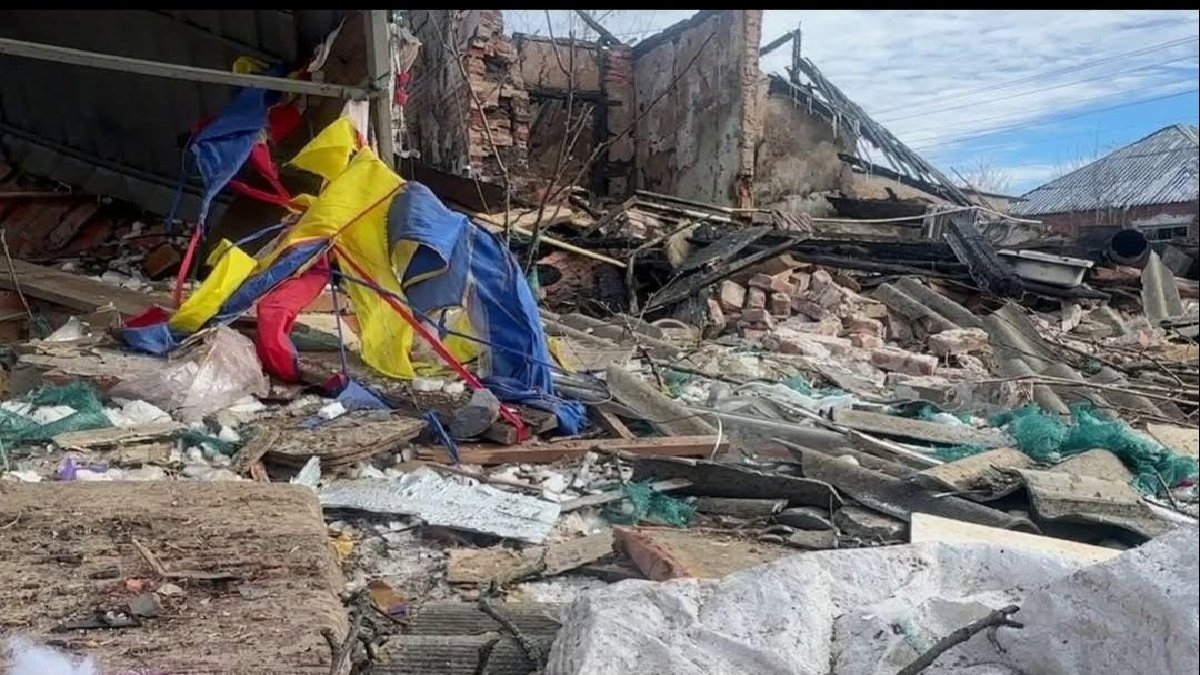
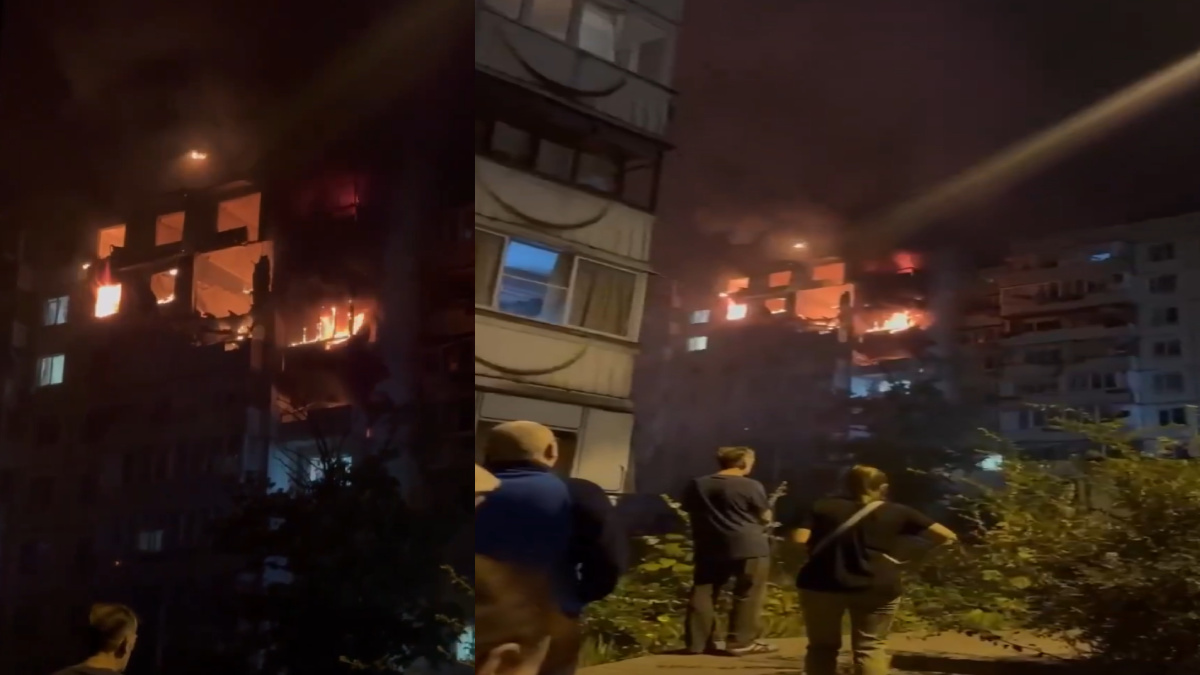
The long-running war between Russia and Ukraine continued on Saturday when Ukrainian aircraft attacked an oil refinery in Russia’s Tatarstan region and killed at least 12 people and wounded 39 others, and the toll is likely to rise. It is one of the deadliest attacks on energy infrastructure in Russia’s deep interior in recent months and underlines how deep war has spread beyond the front lines.
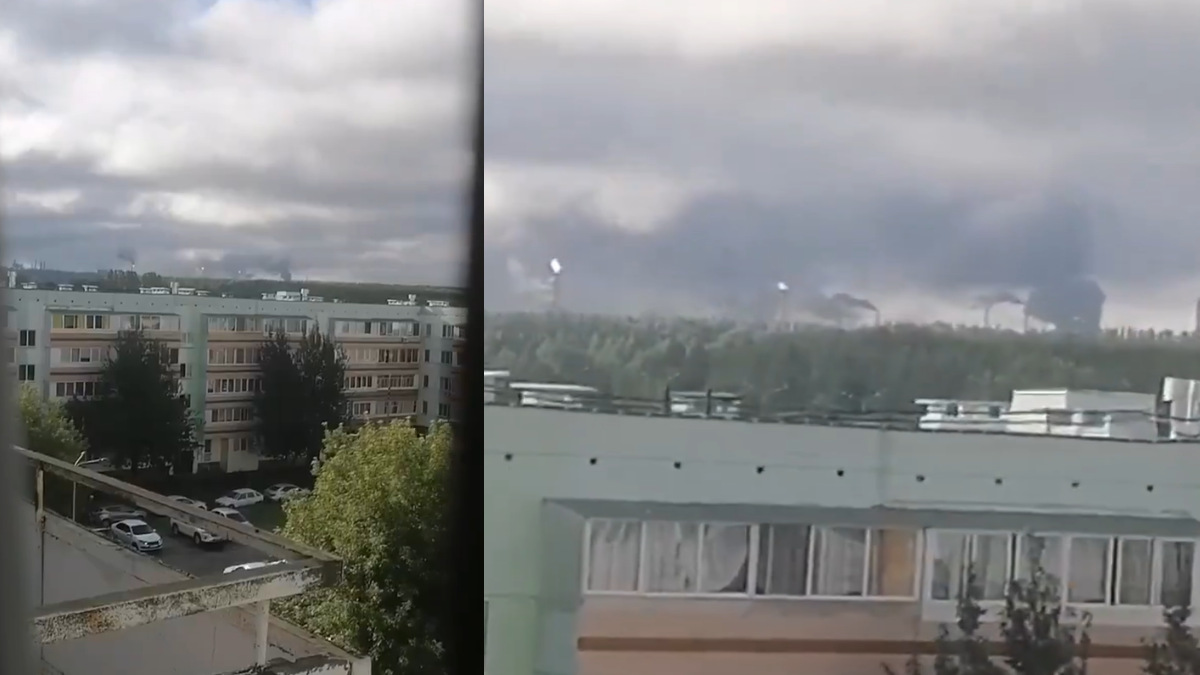
The strike was directed towards an oil refinery facility in Tatarstan and resulted in a powerful explosion and a major fire consuming parts of the industrial complex, regional officials said. Emergency response teams are working to contain the fire as well as assist those trapped in the affected areas.
12 people died in the attack, and 39 others were injured in various ways, officials said. Some of the wounded were taken to nearby hospitals and treated for burns and blast-related injuries, officials said. Some of the casualties have been admitted to nearby hospitals and are still under investigation for burns and blast-related injuries, they said.
Images and videos posted on social media showed thick plumes of black smoke rising from the refinery complex and flames visible from a considerable distance. Emergency workers worked for hours to contain the fire and prevent it from spreading to other storage facilities and industrial buildings.
Ukrainian officials were not immediately available for comment on the raid, but Kyiv has increasingly targeted Russian military and energy facilities in recent years in the region as part of its campaign to take over Moscow’s war machine. Ukraine has already conducted several long-range drone and missile strikes on refineries, fuel depots, air bases and military bases in Russia in the past year.
The Tatarstan region, a few kilometres from the front line, is now a strategically significant area because it has energy production facilities and industrial infrastructure. Previous attacks on energy sites in the region have shown weaknesses in Russia’s internal security and air defence systems. The latest attack will probably widen the debate inside Russia on how to protect critical infrastructure from long-range attacks.
Russian authorities condemned the attack and described it as a planned strike on civilian and industrial facilities. Emergency measures have been taken to protect public safety and stabilise operations in the affected area. Security agencies will also look at surveillance footage and intelligence reports to see how the attack was carried out.
Military analysts say attacks on oil refineries have become more and more a part of the war. Energy infrastructure is at the heart of military logistics, transportation and economic stability. Both sides are going after those facilities as they attack them to impose strategic costs on their foes and disrupt supply chains.
At the same time, Russia and Ukraine are still in conflict. Both countries are fighting each other in all these wars, but despite global calls for dialogue and de-escalation, they continue to attack, and civilian and infrastructure casualties are often reported. The latest refinery attack will only escalate the tension and likely result in more military strikes in the coming days.
As a result, international energy markets are also monitoring developments following the strike. If more attacks happen in a key oil-producing region as well, any lengthy damage to the refinery operations could cause fuel production and supply chains to suffer. So the industry is monitoring the impact on production and infrastructure resilience.
Although investigations are ongoing and recovery efforts are ongoing, the tragedy in Tatarstan is another reminder of the far-reaching consequences of the Russia-Ukraine war. As casualties persist and critical infrastructure becomes targets, the conflict does not appear to be easing, raising concerns about further escalation and instability in the region.