The conflict between the US and Iran has entered a dangerous new phase with Washington carrying out strikes on Iranian targets for the fifth straight day.
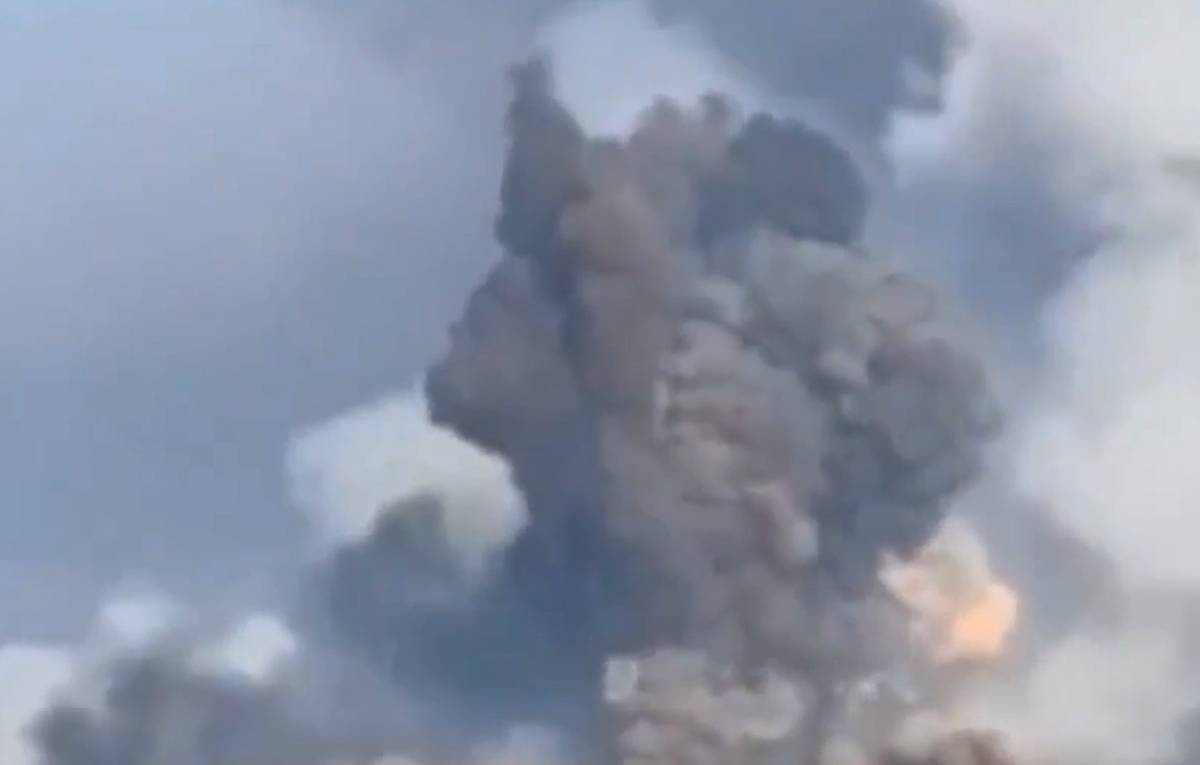
Meanwhile, Iran has claimed to have launched strikes against US bases in Kuwait and Jordan in order to put the war in a state of war across the Middle East.
According to Iranian state media, the attacks were aimed at American military bases in Kuwait and Jordan as a response to ongoing US air operations. Iranian officials described the strikes as a “legitimate act of self-defense” against what they called repeated violations of their sovereignty.
The Pentagon said American forces are operating at full capacity and will be ready to respond to any threats against U.S. personnel or allies. Additional air defense systems have been activated at several military bases in the Gulf region as a precautionary measure, the Army said.
The latest developments follow increased military action by the United States toward Iranian missile structures, command centers and military facilities. Washington says the strikes are intended to weaken Iran’s military ability to attack on US interests and regional allies and prevent Iran’s military from attacking the United States in the future.
But Iran has accused the United States of escalating tensions and warned that more military action would set off a larger retaliation. Iranian military commanders have promised that any attack on the country would be met with a “decisive response,” indicating that further confrontations remain possible.
The growing hostilities have alarmed neighboring countries, with many of them calling for restraint. Gulf countries are closely monitoring the situation because, if there is a long-term war, it will hurt regional security and international shipping routes and impact global energy markets, Gulf countries are worried.
International leaders have also said that diplomatic efforts would be needed to avoid the conflict turning into a broader regional conflict. The United Nations has called for de-escalation and said continued military exchanges could have devastating humanitarian and economic implications.
Global financial markets have been slowly reacting to the crisis. Oil prices have been on the move as instability in the Gulf region threatens to choke crude oil supplies. Those who monitor the situation say the global economy would be threatened if there is a more prolonged conflict between major oil producing countries.
The US Airforce launched another wave of strikes against Iran after IRGC launched multiple missiles & drones targeting US bases in Kuwait & Bahrain
— Baba Banaras™ (@RealBababanaras) July 16, 2026
Coastal naval base,surveillance & radar sites,Missile & air-defense support infra targeted inSirik,Bandar Abbas &on Qeshm Island. pic.twitter.com/ZveC7PmKz0
According to security experts, attacks on U.S. military bases in Kuwait and Jordan, if confirmed, will be a significant escalation of the conflict. Such actions increase the potential for more military retaliation as well as the likelihood of further escalation and could draw more actors into the region.
There are still diplomatic channels in place behind the scenes. A number of countries, including regional mediators, are trying to broker a dialogue between Washington and Tehran to prevent further escalation, as well, according to the report.
The world is on high alert and governments around the world are watching on.
The coming months will certainly be the test for whether diplomacy can bring about a de-escalation of tensions or if the Middle East is heading toward war with the potential to break down the situation with neighbors.