The United States has launched another wave of military strikes on Iran in the sixth day of strikes on Iran, the sixth consecutive night of attacks in an escalation of tension between the two countries. The latest strikes targeted military bases and strategic points of interest and military bases in the past week and the military strikes confirm the war does not seem to be going away, despite increasing calls for restraint from abroad for restraint.
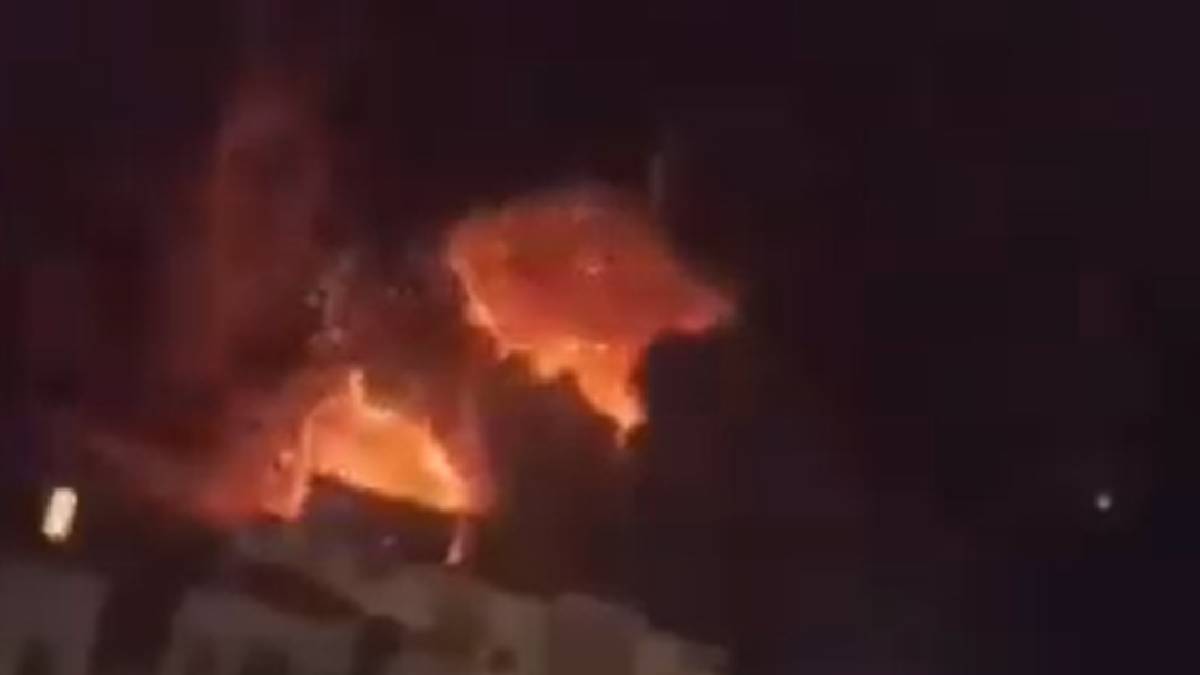
According to U.S. military officials, the strikes were part of a continuing campaign to diminish Iran’s military capabilities and shield American forces and regional allies. The Pentagon has not disclosed all of the details but several military sites, including those near Bandar Abbas and Qeshm Island, were targeted.
Iran has blasted the attacks and said that they are illegal and warned that further military action will only escalate the war. Iranian authorities have said civilian areas were also affected and said they would respond aggressively with strikes if the strikes continue.
The ongoing fighting has increased the tension in the Middle East. Iran has launched missile and drone strikes on U.S. military bases and other allies in neighboring countries and regional security forces are on high alert. A higher level of tension is expected to lead to some countries telling citizens to stay away from areas of such danger.
The Strait of Hormuz is one of the most important maritime routes through which nearly one-fifth of the world’s oil supply passes. Military operations around the strategic waterway are continuing to disrupt shipping and have contributed to sharp growth in global oil prices, increasing the risks of inflation and energy security.
CENTCOM says it completed its sixth consecutive night of strikes on Iran at 9:40 p.m. ET. Fighter jets, drones & warships hit dozens of military targets, including coastal surveillance, air defense, logistics and maritime sites, as operations continue across the region. pic.twitter.com/bljF3PCJuH
— Baba Banaras™ (@RealBababanaras) July 17, 2026
But diplomatic efforts have so far failed to achieve a breakthrough. Some regional mediators continue backchannel talks but both Washington and Tehran have been in a standoff. U.S. officials insist military operations are needed to protect American interests while Iran says it will not negotiate under military pressure.
The strikes also come as the humanitarian impact of the battle has intensified abroad. Aid groups have warned that more fighting will only increase civilian suffering, damage infrastructure and spark more displacement if all war-torn areas get more extensive.
So more global leaders, including the United Nations, have called for urgent de-escalation and dialogue. Without meaningful diplomatic engagement, the conflict is in danger of becoming a regional conflict between countries and armed groups, analysts say.
Much uncertainty still dominates the region as the war enters its sixth consecutive night.
Things are shaking, markets are volatile, military forces are on high alert and the world is concerned about the risk of war as the world is anxious about how diplomacy will not only avoid a bigger crisis but to prevent another, more damaging crisis in one of the most strategically important regions.