The issue of India’s Got Latent has come back to light after comedian and host Samay Raina and comedian Sharon Verma had an exchange that referenced the two’s history. The recent episode has led the Jammu and Kashmir Peace Forum to call for greater sensitivity to comedy in the context of very painful history and social issues.
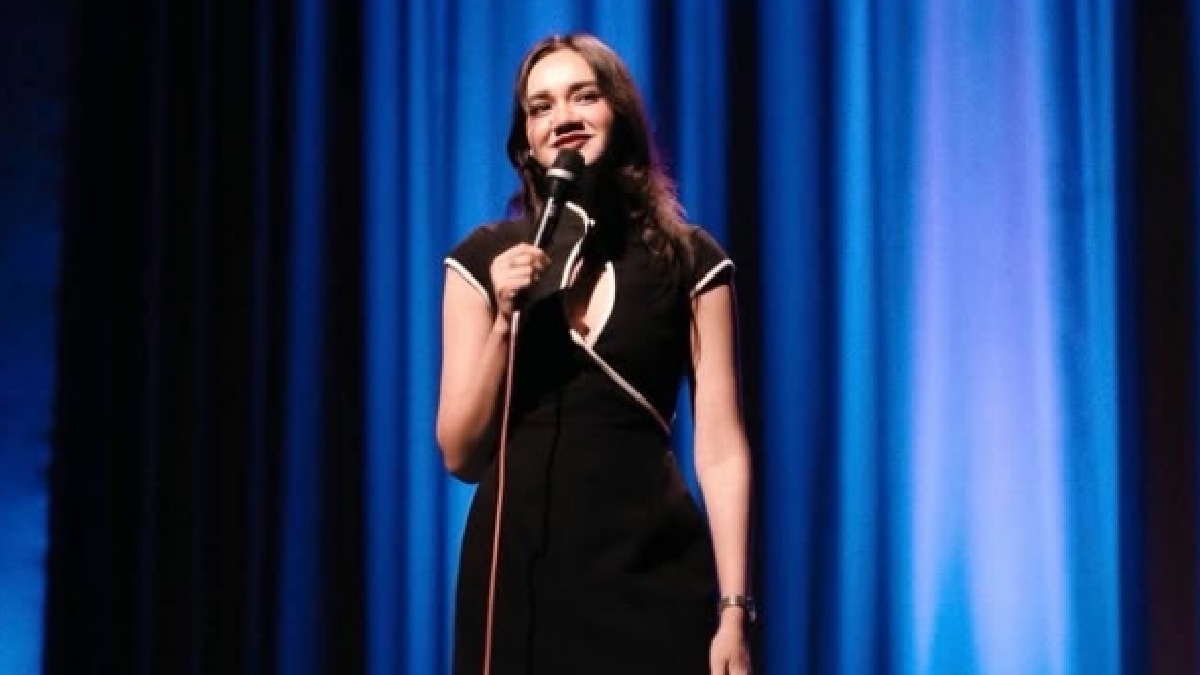
Satish Mahaldar, chairman of the forum, criticised the remarks, but said in a statement that comedians should have freedom of speech. For Mahaldar, however, freedom of speech also involves responsibility when jokes are about displacement, violence, or long-term social trauma.
Mahaldar stressed that neither Bihar nor Kashmir should be used in the way that it was, as an insult, or as a punchline. He argued that the experiences of Kashmiri Pandits, in particular, should not be treated as only entertainment, short social-media clips or publicity.
The comments are in the context of the continuing displacement of Kashmiri Pandits away from the Kashmir Valley. Thousands of people left their homes in the late 1980s and early 1990s and the issue is still emotionally and politically sensitive. Families affected by displacement have talked of separation from ancestral homes and loss of community networks and the challenge of finding new ways in which to live in other states.
Mahaldar also pointed to Raina’s own family history, which is also in the public eye. The comedian, a Kashmiri Pandit, has spoken on the displacement of his family and how it affected him. For the forum chairman, it was this personal connection that he felt was very sensitive and worthy of discussion.
J-K Peace Forum Says Controversy Needs a Mature Response
While critical of the exchange, the Jammu and Kashmir Peace Forum stopped short of calling for censorship. Mahaldar said his organization was asking for a higher level of awareness and sensitivity to discuss Kashmir's history.
Censorship and responsible comedy have since become a key factor in the debate surrounding the episode. Comedy is often about exaggeration, stereotypes and provocative observations but jokes about real-life suffering can earn criticism if the audience feels the trauma is being trivialised.
Mahaldar also warned against allowing the controversy to develop into hostility between communities. He rejected attempts to frame the issue as a conflict between Kashmiri Pandits and Kashmiri Muslims or between Kashmiris and Biharis.
For the forum, criticism should be directed at individuals and comments made in that matter and not at whole communities. The chairman emphasized truth, reconciliation, justice and mutual dignity in the context of Kashmir’s long time of history.
What happened between Samay Raina and Sharon Verma?
The dispute arises from a segment in India’s Got Latent Season 2 episode in which Raina and Verma had some jokes about their respective backgrounds.
Verma, who had previously appeared on the first season of the show as a contestant, referred to Raina's Kashmiri identity while making a joke about him “getting stoned”. Raina responded with a joke about Verma’s Bihari background and stereotypes associated with people leaving Bihar for employment opportunities elsewhere.
Verma answered by saying that she had left her state "by my choice". This seemed to reference an earlier controversy involving the show.
The exchange has since circulated on social media, and the boundaries of comedy and regional and community identities are portrayed in entertainment.
India’s Got Latent has previously faced controversy for jokes and comments on the show, so the recent debate is part of a larger conversation about the show’s provocative comedic format. The programme has developed an audience focused on unscripted interactions, roasting and humour that frequently touches personal identities and social stereotypes.
But the latest criticism underlines the sensitivity of references to Kashmiri Pandit displacement. For Jammu and Kashmir Peace Forum critics the issue is not whether comedians should be allowed to joke about difficult subjects, but whether those jokes can be made without diminishing the experiences of people who continue to carry the consequences of displacement.
It’s a question of where the controversy is going to come off as provocative humour, and when we should moderate it with the wrong comments from a comedian on the other side of the debate in the online conversation and its effects on comedy. The Jammu and Kashmir Peace Forum's stance is clear: it does not want the incident to become a larger communal crisis; it has a responsibility to audiences and performers to talk about Kashmir with a greater understanding and responsibility.