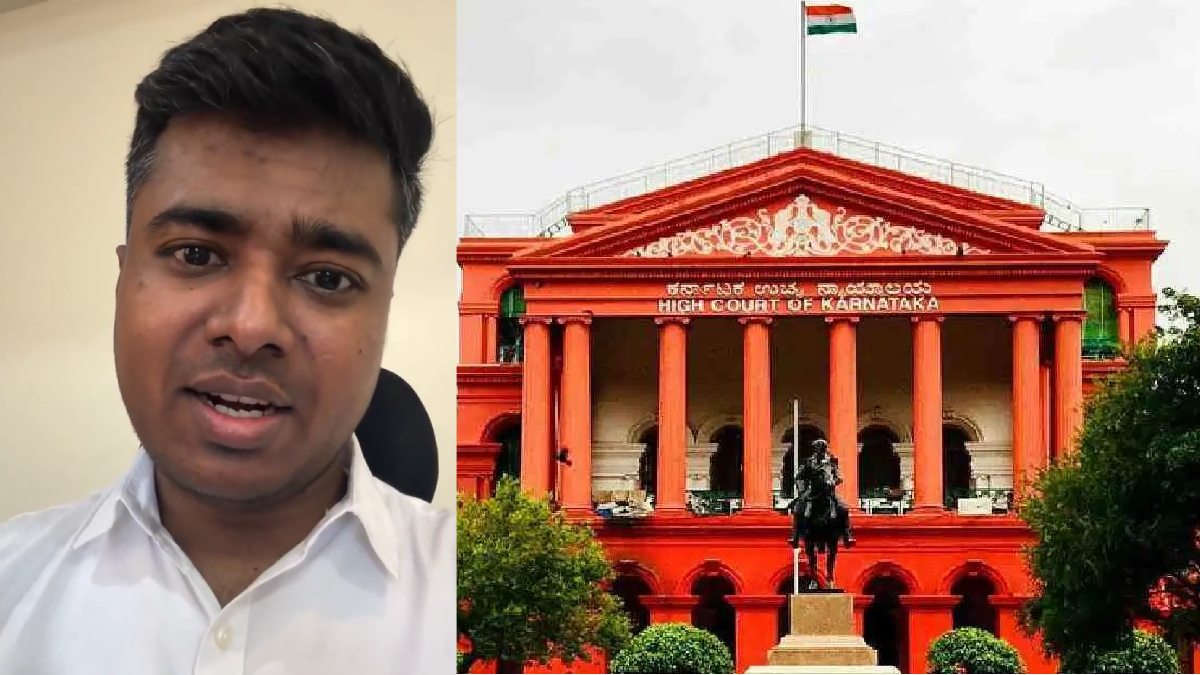
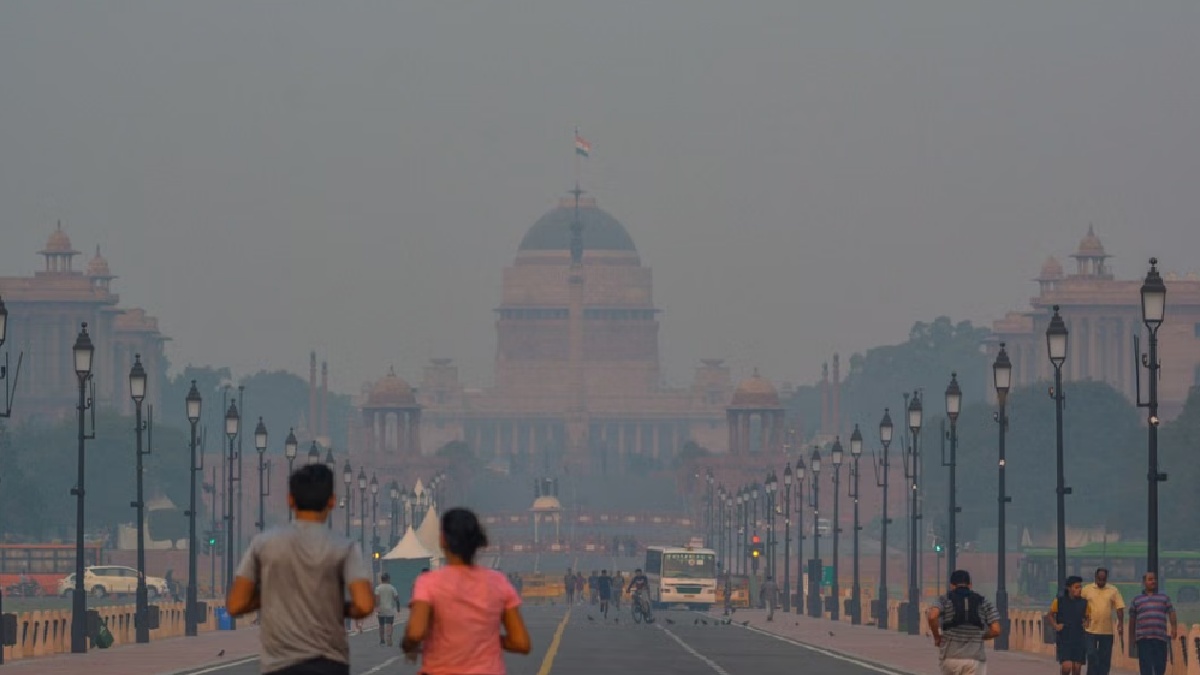
The United States and Iran have resumed talks in Qatar as officials from both countries resumed talks with one another in the region, in a fresh attempt to defuse regional disharmony. The talks are occurring as some global oil supplies, maritime security and stability issues, and peace in the Middle East are at risk because of the current standoff over the Strait of Hormuz still at stake.
Qatar, a regional peace broker that has been in a position to broker talks since the 1960s and has been involved in many of the regional conflicts, is once again working with Washington and Tehran. No breakthrough has been reached, but international observers say resumed negotiations are a step forward and are needed to avoid further escalation.
Qatar’s growing role as a Diplomatic Mediator
With Iran, the situation is even more complicated, and to what extent one could try to solve it at the time of writing this article, but it is the problem of Qatar, which has been a key diplomatic link in some of the world’s most critical international talks over the last decade.
The US-Iran meeting also underlines the continuing efforts of Doha to promote dialogue at a time when relations between the two nations are strained over sanctions, regional security, maritime activity, and Iran's nuclear programme.
According to officials involved in the talks, the talks have been on confidence-building measures, de-escalation, and pathways for future engagement. The
Strait of Hormuz remains a strategic Flashpoint
While diplomatic talks go on, attention is also on the Strait of Hormuz, one of the world’s most strategic maritime routes.
The narrow waterway connects the Persian Gulf with the Gulf of Oman and the Arabian Sea, and is a crucial route for a significant share of the world's seaborne crude oil and liquefied natural gas exports.
Any disruption to shipping through the Strait has the potential to disrupt energy markets worldwide, raise transportation costs, and create uncertainty for international trade.
Recent regional tension has resulted in increased naval deployment, increased surveillance, and concern of shipping companies about the safety of commercial vessels operating in the area.
Energy Markets Watching Closely
Global energy markets continue to monitor developments in both the diplomatic talks and the maritime security situation.
Oil traders have been cautious, as any escalation around the Strait of Hormuz could affect supply chains and contribute to price volatility.
Investors continue to face a risk of political uncertainty as well; even if shipping doesn’t suffer any major disruption, the analysts say, uncertainty in international stock markets and commodities markets is also very much in play.
Some of the most heavily dependent on imported energy, and many Asian economies are particularly concerned about developments because long-term instability could affect fuel prices and inflation.
Diplomatic Efforts Continue
The United States has always said that diplomacy is still its preferred way to resolve differences with Iran and that freedom of navigation in international waters is essential.
Iran has repeatedly maintained that regional security should be addressed through dialogue among countries in the region and opposes external pressure and sanctions.
As long as relations are still very different between the two sides, diplomatic observers believe that communication is maintained so that misunderstandings do not lead to a potentially dangerous escalation.
Regional and Global Implications
The outcome of the talks in Qatar has implications for US-Iran relations beyond the bilateral relationship.
Several Gulf countries are closely monitoring the negotiations and are aware that good relations could lead to a better relationship and strengthen regional security and stability.
The world's international bodies and major global powers have also encouraged diplomacy as the most effective means of settling longstanding disputes.
To the extent that there is a decrease in tension, then it may help stability in the global economy by increasing confidence in financial markets and international investors.
Challenges Ahead
We have had good dialogue, but experts say there are still great hurdles to overcome.
Conflicts among them about sanctions, nuclear activity, regional power, security arrangements, and other issues remain key to those talks. A comprehensive understanding will take time to get to a long-term relationship and will require diplomatic engagement and confidence-building efforts over time.
In the end, even incremental agreements, some kind of agreement - humanitarian cooperation, maritime safety measures, communication channels - may build trust and build momentum for broader negotiations, as well, the observer says.
Global community calls for stability
We are seeing governments around the world still stressing stability in the Gulf region.
The Strait of Hormuz is still vital for international commerce, and the stability of maritime traffic is considered essential for global economic security.
Qatar talks are thus seen as opportunities for diplomacy to reduce tensions and preserve peace in one of the most strategically sensitive regions of the world.
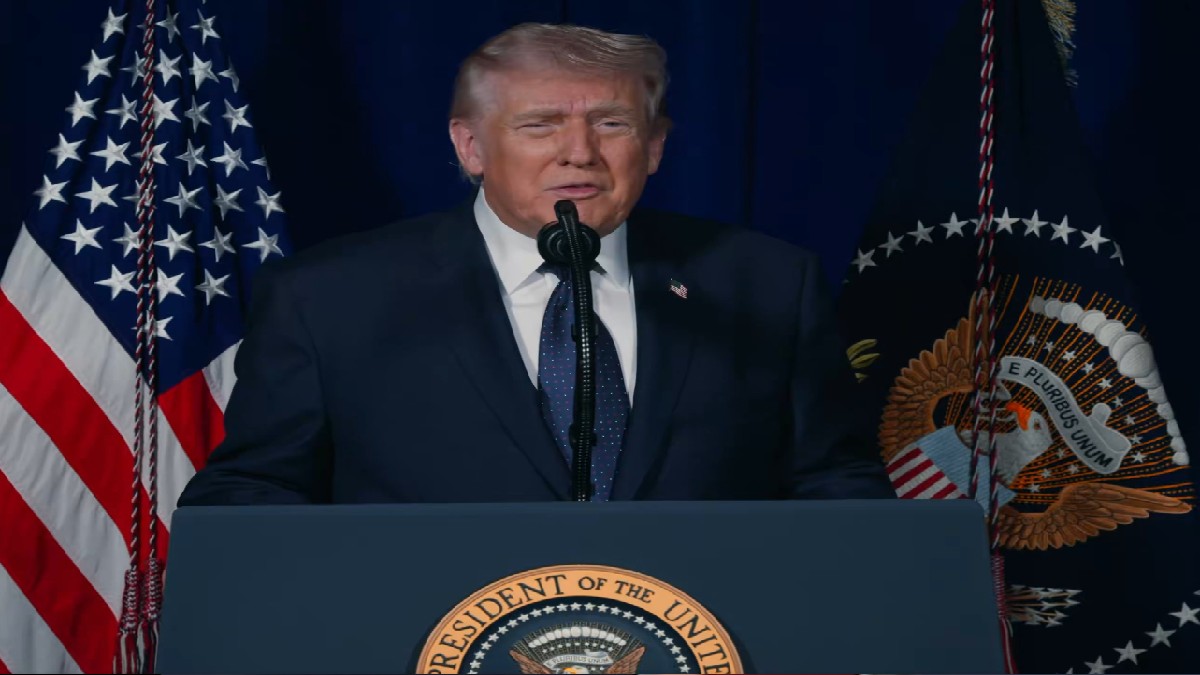
US President Trump says US negotiators are heading to Qatar for what he called a “perhaps important” meeting, following recent strikes that strained the Strait of Hormuz ceasefire.
— Al Jazeera Breaking News (@AJENews) June 30, 2026
The US and Iran have until mid-August to reach a permanent deal. pic.twitter.com/AMrZywSxRC
Looking Ahead
There has been no immediate breakthrough from this latest round of talks, but for both the United States and Iran to engage in dialogue is a positive diplomatic development.
As negotiations continue in Qatar and attention remains focused on the Strait of Hormuz, governments, businesses, and energy markets will closely monitor every development.
As the diplomatic momentum is maintained, the next few weeks will determine whether the current diplomatic momentum can be developed into meaningful progress and help reduce regional tension and make the Middle East and global economy more stable.