Tensions between the United States and Iran are expected to cast a shadow over a major diplomatic gathering in Southeast Asia this week, adding fresh geopolitical uncertainty to a region already fraught with complex security and political tensions. The summit comes at a time when Southeast Asian nations are grappling with rising maritime tensions in the South China Sea and trying to revive efforts to bring peace to Myanmar, where civil conflict continues to destabilize the country.
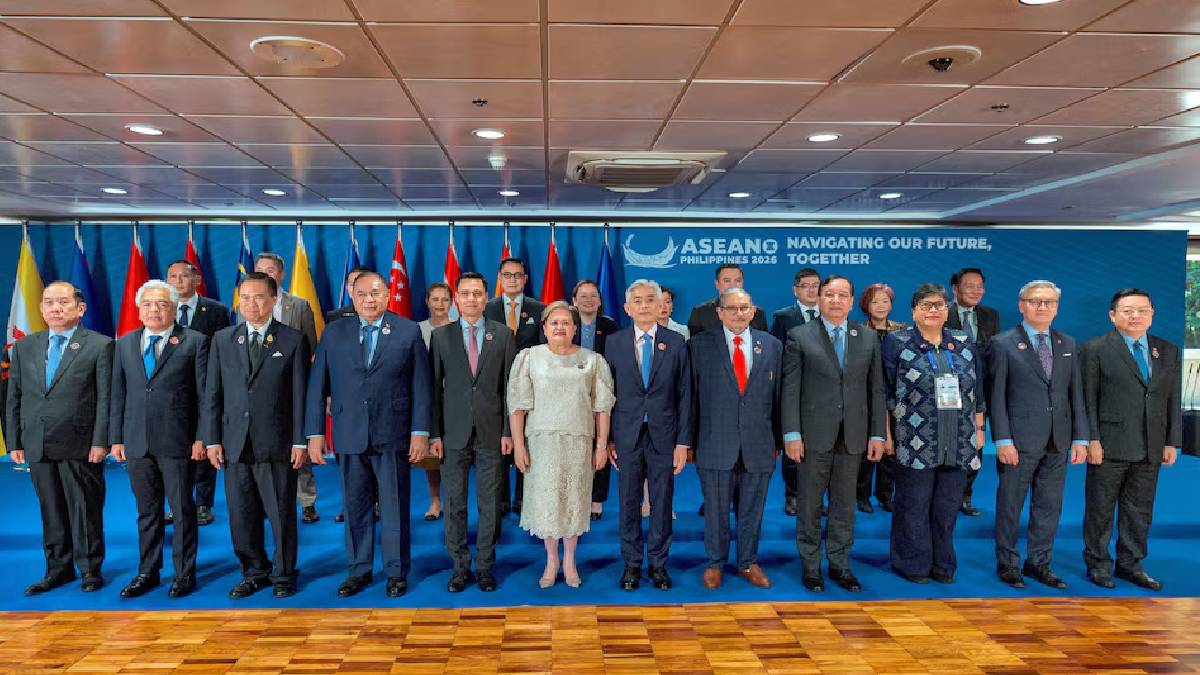
The diplomats who will be in the region will be discussing security and economic issues and will also be discussing a lot of matters in the Middle East, but developments in the Middle East are going to shape the discussion ahead of the meeting. An escalation between Washington and Tehran will have the potential to shake global energy markets, disrupt international shipping routes, and increase the prospect of nuclear war in much of the Indo-Pacific region.
Tensions between the US and Iran are likely to cast a shadow over a diplomatic gathering in Southeast Asia this week, injecting additional uncertainty into a region grappling with maritime tensions with China and a faltering regional effort to end Myanmar's civil war…
— Reuters (@Reuters) July 21, 2026
For Southeast Asia, which is heavily dependent on imported energy and global trade, instability in the Middle East is one of the major problems. Rising oil prices and disruption in maritime trade, respectively, could cause inflation and affect economic growth and supply chains to be affected across the region.
At the same time, maritime disputes in the South China Sea remain one of the most pressing security issues in the region. Several ASEAN member states still have overlapping territorial claims with China, and recent incidents involving coast guard and naval vessels have highlighted the threat to regional stability. International law, freedom of navigation, and peaceful resolution of disputes will be emphasized in the talks, Southeast Asian governments will stress.
For Myanmar, the other major issue that will most likely dominate the discussions will be the ongoing tension in Myanmar and chronic conflict in Myanmar. Armed conflict, humanitarian distress, and political instability in Myanmar have been on the rise since the military takeover in 2021, but despite periodic diplomatic efforts to achieve the Five-Point Consensus aimed at restoring peace and facilitating dialogue among the conflicting parties, meaningful progress has not been made.
There will also be regional leaders who will analyze the situation in Myanmar and the state of view of the different member states of ASEAN and how to better support humanitarian assistance and encourage political dialogue. But differences among members of ASEAN on how to engage Myanmar's military leadership will make it difficult for ASEAN to pursue its approach.
And the diplomatic gathering is a chance for major global powers (the US, China, Japan, India, Australia, the European Union) to talk to Southeast Asian countries about economic cooperation and regional security. In recent years, the Indo-Pacific has been more than a strategic space, as countries have tried to balance this with competing interests.
Analysts are concerned that the convergence of multiple crises— US-Iran tensions, South China Sea disputes, Myanmar’s civil war among others— will test ASEAN’s ability to maintain its central role in regional diplomacy. The international body has traditionally been in favor of dialogue, consensus, and neutrality, but increasing geopolitical competition is making that balancing act increasingly difficult.
Economic resilience, supply chain security, digital cooperation, climate change, and disaster management will all be on the agenda at the summit. But security issues are likely to be at the heart of what regional leaders would want to address as they grapple with the global situation.
As diplomatic talks continue through the week, observers will see whether the countries can find meaningful solidarity on issues of regional and international significance. Through the summit, the outcomes will be for the security, economic integration, and conflict resolution of the region and will, in turn, help Southeast Asia to grow stronger in the geopolitical landscape.