A fresh wave of tension has rocked the Middle East after the United States launched fresh military strikes on Iranian targets and ended a temporary waiver that had allowed Iran to export small quantities of oil.
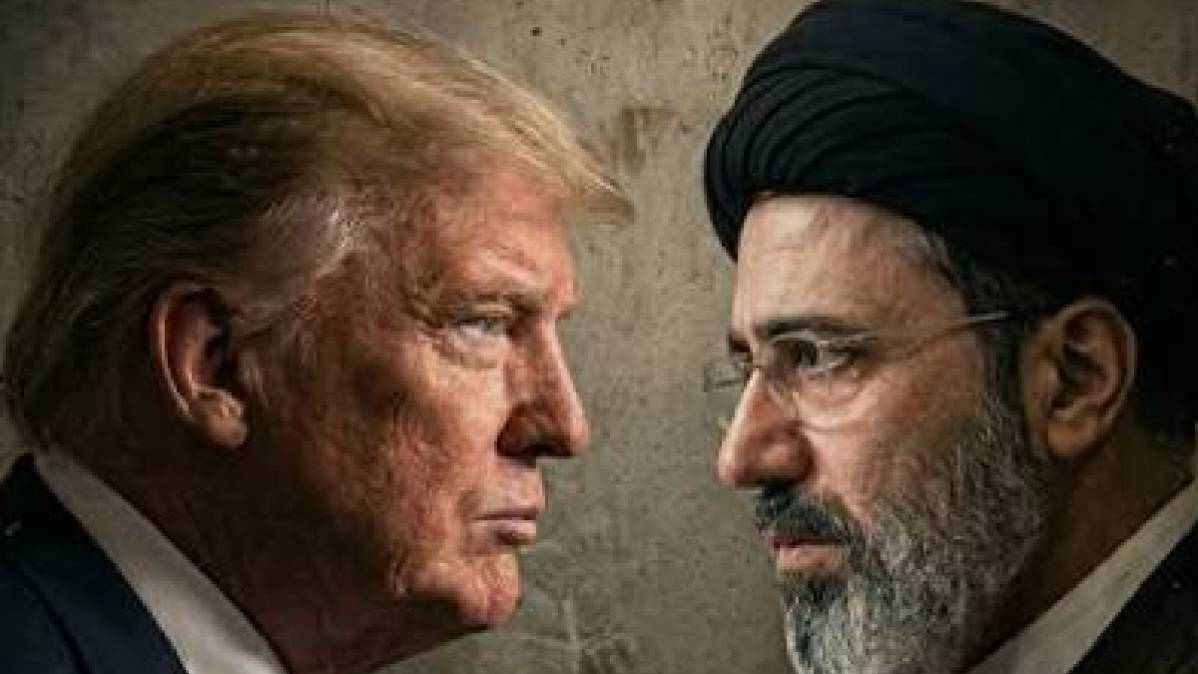
The twin decisions have revived fears that the uneasy peace that has been restored in recent weeks may be crumbling and that Tehran is on the brink of another major clash with Washington.
The attack comes as several commercial ships are recently targeted crossing the Strait of Hormuz, one of the world’s most important shipping channels.
Iran has denied involvement in the attacks and claimed Washington has used the attacks as an excuse for more military action.
Following the accusations, U.S. forces carried out targeted strikes on several sites believed to be linked to Iran’s military activities, U.S. officials said. Radar systems, drone facilities, missile facilities and naval bases were targeted in the operation on those sites, which belong to the Islamic Revolutionary Guard Corps (IRGC).
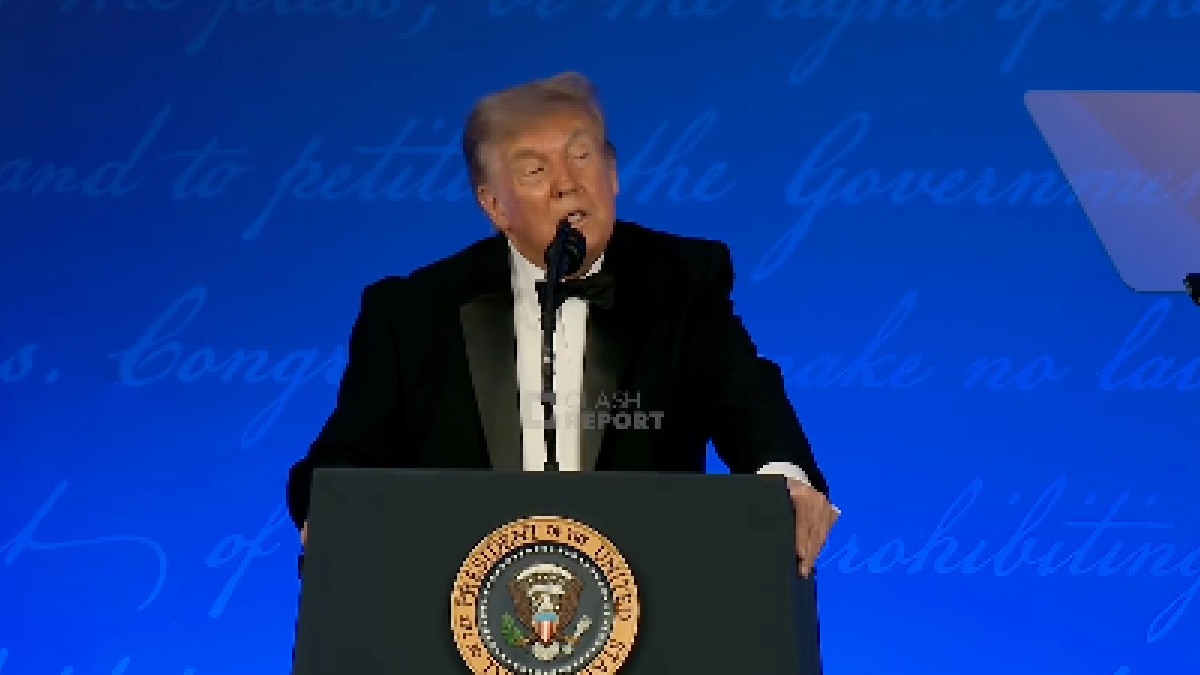
These strikes were to reduce Iran's ability to pose a threat to commercial shipping and avoid the impact of civilian casualties, the Pentagon said.
Iranian media reported explosions in several southern areas, including Bandar Abbas and Qeshm Island.
Tehran officials had described the attacks as a violation of international law and a direct act of aggression.
Iran will respond if there is further military action against the country, they said.
In another move, Washington withdrew the temporary sanctions waiver that allowed Iran to sell less oil.
The waiver had been created as part of efforts to ease tension and promote diplomatic engagement after the ceasefire.
But U.S. officials said Iran’s alleged actions in the Strait of Hormuz had weakened the economic concession.
And Iran will suffer the most from it because it depends so much on oil exports for most of its economic output.
Sanctions would also hurt Iran’s export revenues and further undermine its economic recovery at this time.
Analysts also see it as a signal that the United States will escalate its military and economic pressure.
The reaction of global markets on the ground in both sides of the Atlantic was swift. Oil prices rose as investors worried that a shutdown in the Strait of Hormuz could disrupt energy supply.
As more than 20 percent of the world’s oil shipments are shipped through the narrow waterway, a long-term war would have a profound effect on international trade and oil and fuel prices and people’s lives and businesses.
Even if the two countries are issuing sharp warnings, diplomatic channels remain open for now.
International leaders have pleaded for calm and warned that a major escalation would cause regional conflict and make the Middle East more unstable and potentially hit hard economically and militarily as well.
We don’t know if the conflict between the United States and Iran is back or just another temporary flare-up.
War isn’t between them yet, and war doesn’t seem imminent, but military strikes, sanctions and rising tensions mean the region is very much in a very uncertain and very dangerous state.