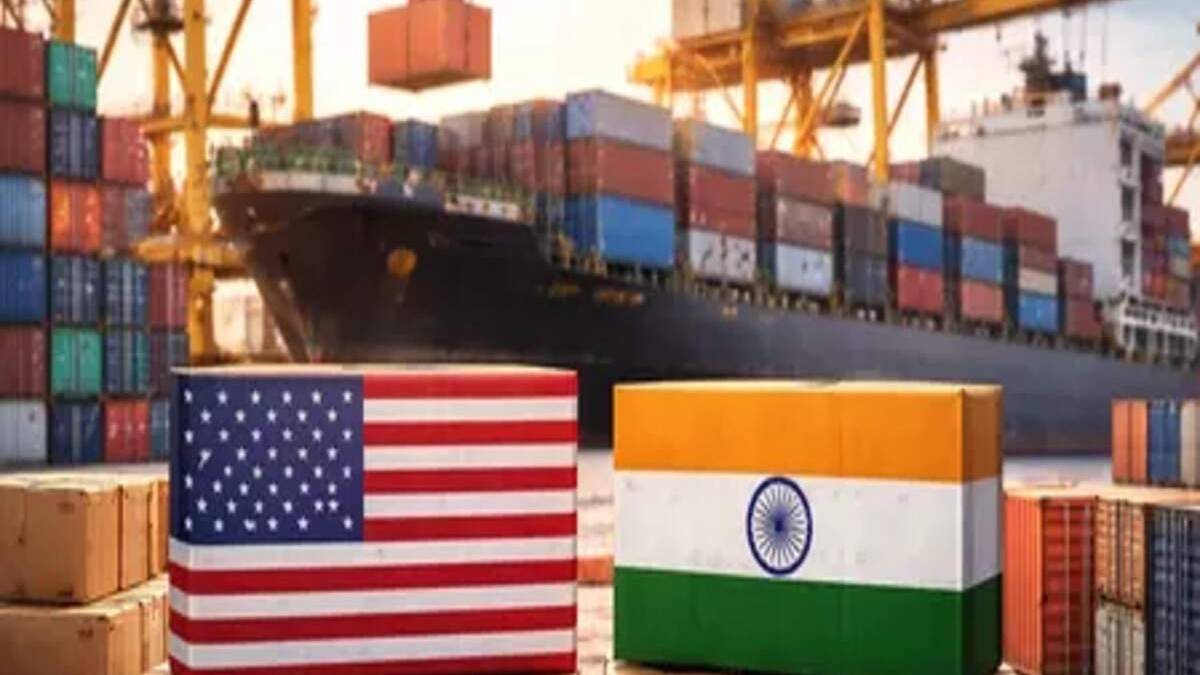
And the Senate voted overwhelmingly on Tuesday for a long-anticipated bill that will make it possible for President Trump to impose tariffs of up to 100% on the top five suppliers of Russian oil and natural gas, countries like India and China directly and indirectly. The bill was officially named Lindsey O. Graham Sanctioning Russia and Iran Act of 2026 and passed the Senate 86-11, in honor of the late Republican Senator Lindsey Graham, a prominent advocate for Ukraine who had died on July 11 after visiting Kyiv. Graham had been working with legislators to craft tough sanctions on Moscow in the wake of the war in Ukraine, now in its fifth year.
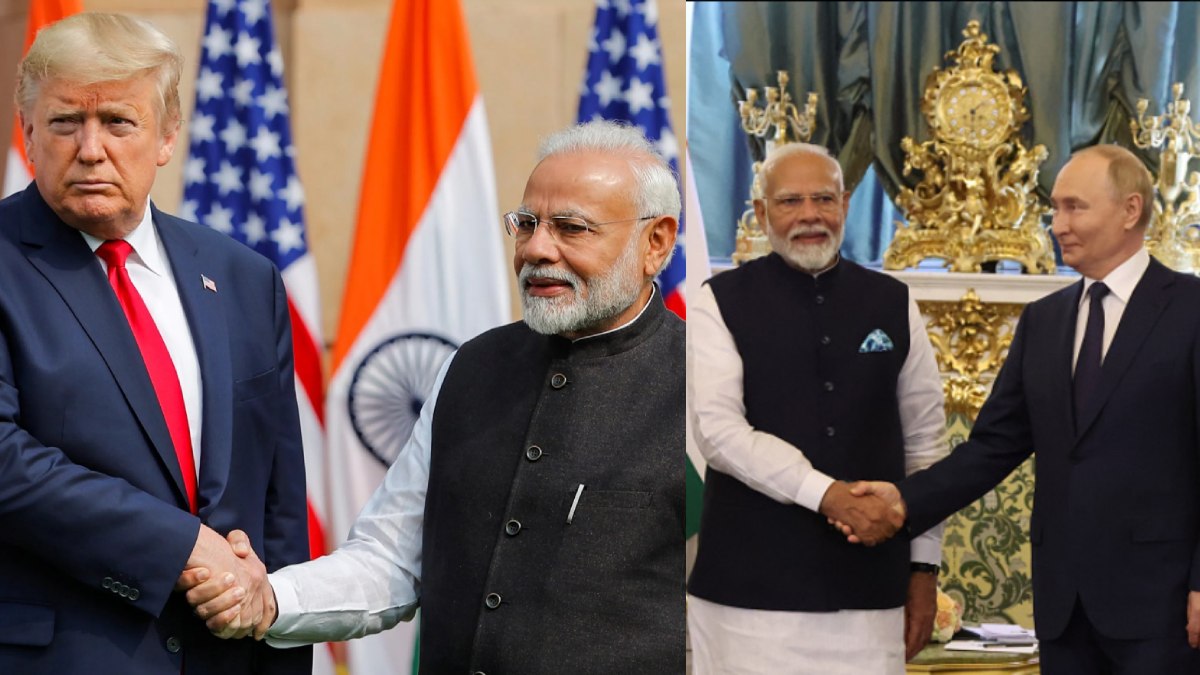
Darline Graham was elected as the new Senate speaker and said the legislation is aimed at Russian leadership directly. The framework forces countries that are still supporting Moscow's economy to choose between continuing to trade with the United States or purchasing discounted Russian energy, she said. Democratic Senator Richard Blumenthal, who helped spearhead the legislation together with Graham, said he was in solidarity with the people of Ukraine and that international complicity in the conflict would have extreme economic consequences. The bill will be carried to the House of Representatives on August 31 when it gets passed by the upper house.
The core of the sanctions package is to focus on major customers for Russian hydrocarbons. In addition to India and China, the top five are Azerbaijan, Hungary, and Slovakia. But the legislation also has special exemptions for countries that have less than 15% of their natural gas dependence on Russia and are trying to reduce it. The bill also gives the president a discretionary ability to waive or modify these economic restrictions if the president formally certifies to Congress that they are in the best interest of the United States.
Moreover, in addition to energy tariffs, the package also sets out broader economic penalties targeting the Kremlin such as those for President Vladimir Putin, the top political and military figures of Russia, financial institutions, and energy infrastructure work. It also targets older, reflagged oil tankers that Moscow uses to skirt old Western restrictions on energy revenues. In addition to that, the legislation extends the Iran Sanctions Act of 1996 to 2031, which means that international companies who are investing in Iran's vital energy sector will continue to pay penalties.