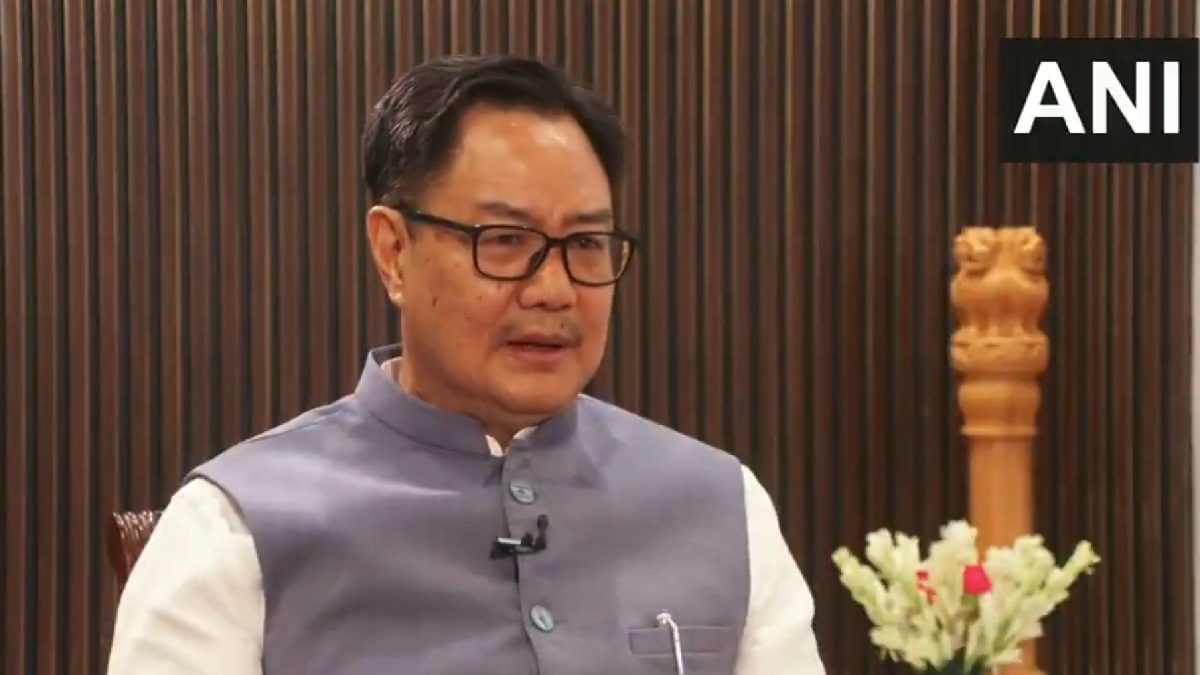
The U.S. is changing the direction of foreign aid policy, with more and more assistance going to governments and not through NGOs. It is a radical change in the way Washington intends to provide global development aid and comes amid wider global debates over transparency, accountability, and the effectiveness of foreign aid.
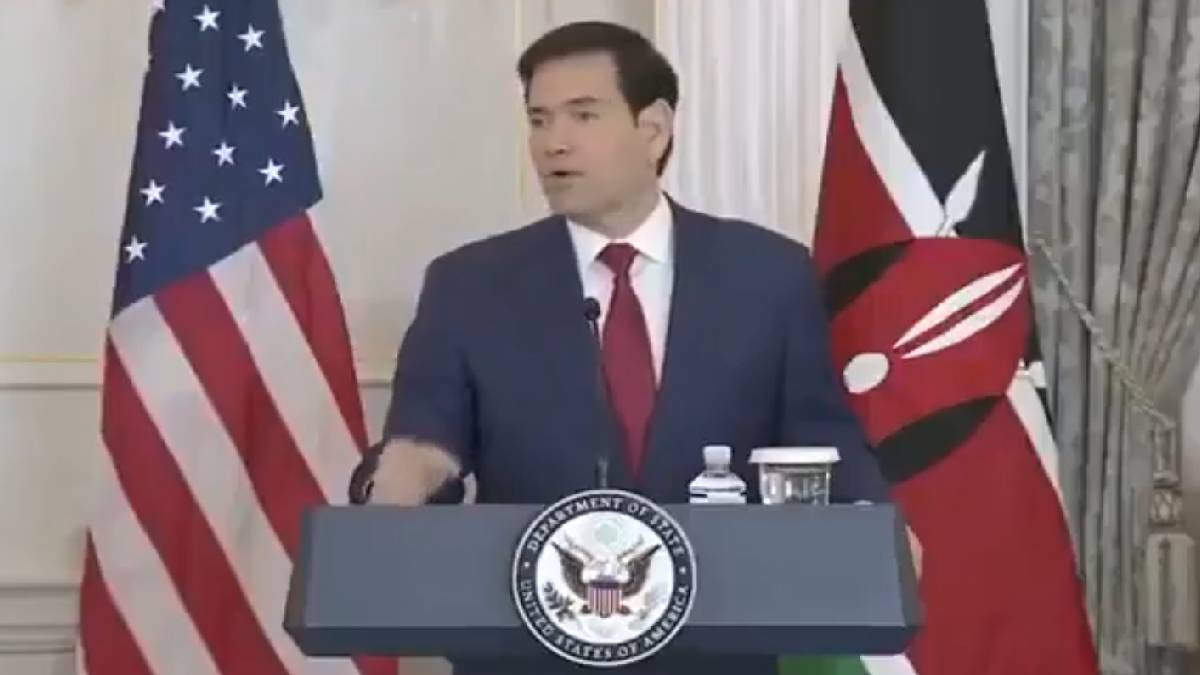
The new policy suggests that aid should be directed towards strengthening the capacity of sovereign governments, rather than through intermediary organizations. The reason for this decision, officials said, was that:
"If the goal is to help a country, fund the country—not middlemen who turn aid into a business model or a vehicle for ideology."
HUGE 🚨 As India moves to tighten FCRA regulations governing foreign funding despite internal and external pressure, US has announced a major policy shift.
— News Algebra (@NewsAlgebraIND) August 6, 2026
US Govt says foreign aid will now be provided directly to national governments instead of being routed through NGOs 🔥
"If… pic.twitter.com/mjIFce4qOj
The statement is in line with the administration’s belief that reducing intermediaries could increase accountability, lower administrative costs, and ensure that a greater share of aid reaches intended beneficiaries.
The announcement has received attention globally, most notably in India where discussions around foreign funding have intensified in recent years. The Indian government has taken steps to regulate foreign contributions through the Foreign Contribution (Regulation) Act (FCRA), arguing that more regulation is needed to protect transparency, accountability, and compliance with national laws governing overseas funding.
The proponents of tighter oversight say that more direct engagement with governments promotes national ownership of development projects and less dependency on outside intermediaries. They say that sovereign governments are ultimately responsible for implementing public welfare programs and should hence play the central role in managing international assistance.
On the other hand, development experts have noted that NGOs have long been key in humanitarian aid, health care, education, disaster response, and community development (especially in places where government capacity is limited) to human development. Some analysts have also warned that a shift of support from the government to civil society organizations that are directly involved in the lives of the most vulnerable communities could have impactful consequences.
The shift in U.S. policy appears to be the culmination of a global rethink of international development spending with an emphasis on efficiency, outcomes that can be measured, and government-led implementation. The goal is to reduce intermediaries to align foreign assistance more closely with national interests and to bring better oversight of public money, officials said.
The timing of the announcement has also generated discussion as it corresponds with India’s continued focus on regulating foreign-funded entities under the FCRA framework. While the US policy and India’s domestic regulatory system are from different legal and policy bases, both have raised questions about the appropriate balance between government oversight and civil society participation in international development cooperation.
Experts say the practical impact of the new US approach will depend on the implementation of the new policy model in practice, the sectors covered, and whether exceptions are made for humanitarian emergencies or for specialized development programs where NGOs possess unique expertise.
With governments around the world reviewing foreign aid mechanisms, the US decision is one of the most significant changes in international assistance policy in recent years. Will the new model make the world more efficient and accountable or cause more debate on NGOs’ role in global development?