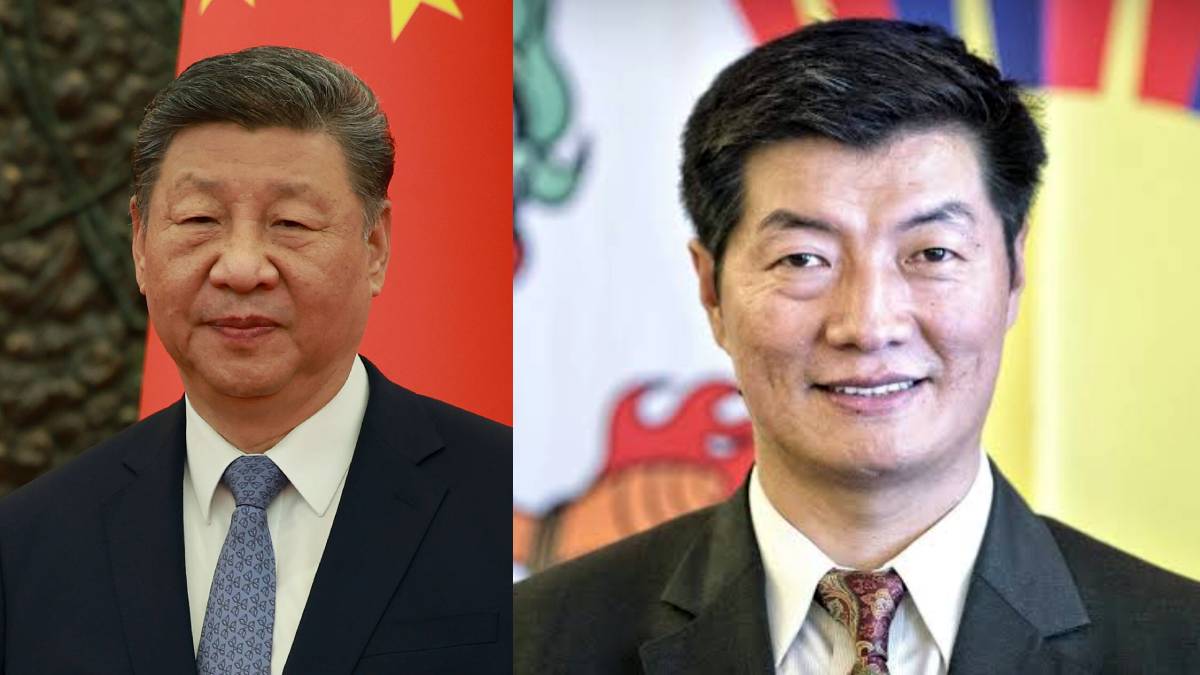
The United States has harshly criticized China after a tense clash between Chinese and Philippine vessels in the disputed South China Sea and called the Chinese actions “dangerous and aggressive” and China’s actions a violation of international law, underlining the continuing territorial conflicts.
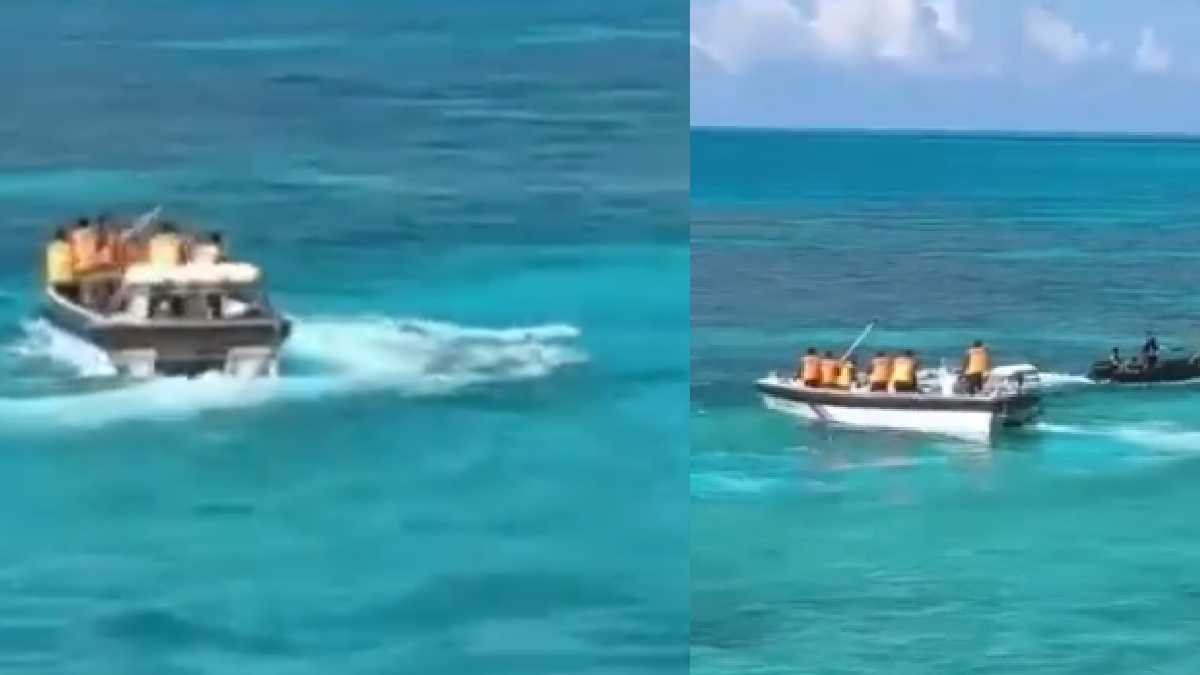
The clash occurred on the Philippine naval operation in Philippine waters claimed by China and the Philippines. Chinese coast guard and maritime militia vessels also tried to block and harass Philippine ships in the Pacific, the report said.
There were no casualties but the incident has raised new concerns for regional security and freedom of navigation.
The United States State Department vehemently condemned China’s behavior and said that Beijing's actions endangered lives, threatened regional peace and were contrary to international maritime norms. Washington also said it would support and defend the Philippines under the Mutual Defense Treaty and that an attack on Philippine armed forces, public vessels and aircraft in the Pacific would be considered an attack on mutual defense.
China, however, defended its actions and said the Philippine vessels had entered waters under Chinese jurisdiction without authorization.
Beijing accused Manila of starting the conflict and argued that its coast guard acted lawfully to protect China’s territorial sovereignty.
The South China Sea remains one of the world’s most strategic maritime regions, with billions of dollars of global trade flowing through it each year. China claims almost the entire South China Sea through its so-called “nine-dash line,” but this claim was rejected by an international tribunal in 2016. The Philippines, Vietnam, Malaysia, Brunei and Taiwan also claim parts of the resource-rich sea.
Moreover, more military cooperation between the United States and the Philippines is taking place. In recent years both countries have intensified joint military exercises and strengthened defense cooperation as Chinese maritime activity grows in the Indo-Pacific region.
Additional footage from both sides showing clashes earlier today between the Chinese Coast Guard and Philippine Navy near the disputed Second Thomas Shoal located in the South China Sea. pic.twitter.com/HiAMFj1l3D
— OSINTdefender (@sentdefender) July 20, 2026
Security experts warn that repeated confrontations at sea increase the risk of accidental escalation between regional powers. Diplomatic channels remain open but close encounters of coast guard ships, naval vessels, and fishing boats continue to threaten regional stability.
Some countries, such as Japan and Australia, have expressed concern over China’s growing use of disputed waters in recent years.
The United States has called for the application of international law (including the United Nations Convention on the Law of the Sea (UNCLOS)) and for all parties to peacefully resolve disputes.
As geopolitical competition intensifies across the Indo-Pacific, the South China Sea is still one of its major flashpoints and affects international trade, regional security, and diplomacy at large.
The most recent clash will not likely be the last unless diplomatic efforts are made to lower the tension and to develop a mechanism to prevent a future maritime conflict.